The Wannsee Conference 1984


The film presents a real‑time recreation of the July 1942 Wannsee Conference, where senior SS commanders and Nazi officials, under the direction of SS‑General Reinhard Heydrich, convened to coordinate the “Final Solution to the Jewish Question.” The meeting marked the bureaucratic launch of the Holocaust, which ultimately resulted in the systematic murder of six million Jews.


Does The Wannsee Conference have end credit scenes?
No!
The Wannsee Conference does not have end credit scenes. You can leave when the credits roll.
Where to Watch The Wannsee Conference
See current US streaming, rental, and purchase options for The Wannsee Conference (1984) via JustWatch.

Streaming availability powered by 
Meet the Full Cast and Actors of The Wannsee Conference
Explore the complete cast of The Wannsee Conference, including both lead and supporting actors. Learn who plays each character, discover their past roles and achievements, and find out what makes this ensemble cast stand out in the world of film and television.
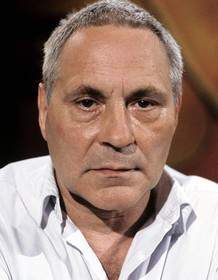
Peter Fitz
Dr. Wilhelm Stuckart

Rainer Steffen
Roland Freisler
Robert Atzorn
Otto Hofmann
Jochen Busse
Dr. Georg Leibbrandt
Gerd Rigauer
Karl Schöngarth
Martin Lüttge
Dr. Rudolf Lange
Hans-Werner Bussinger
Martin Luther
Friedrich G. Beckhaus
Heinrich Müller
Reinhard Glemnitz
Dr. Josef Bühler
Franz Rudnick
Friedrich Wilhelm Kritzinger
Gerd Böckmann
Adolf Eichmann
Harald Dietl
Gauleiter Dr. Alfred Meyer
Dieter Groest
Dr. Erich Neumann
Dietrich Mattausch
SS-Obergruppenführer Reinhard Heydrich
Anita Mally
The Secretary
Günter Spörrle
Gerhard Klopfer
External Links and Streaming Options
Discover where to watch The Wannsee Conference online, including streaming platforms, rental options, and official sources. Compare reviews, ratings, and in-depth movie information across sites like IMDb, TMDb, Wikipedia or Letterboxd.




Full Plot Summary and Ending Explained for The Wannsee Conference
Read the complete plot summary of The Wannsee Conference, including all major events, twists, and the full ending explained in detail. Explore key characters, themes, hidden meanings, and everything you need to understand the story from beginning to end.
Set in Berlin on January 20, 1942, Die Wannseekonferenz unfolds inside a luxurious villa on the shores of Lake Wannsee, where a circle of high-ranking Nazi officials arrives to convene. The atmosphere is formal and measured, with the men stepping into a room that feels more like a boardroom than a war council, its air thick with institutional precision. At the head of the gathering stands Dr. Wilhelm Stuckart, whose presence signals the blend of bureaucratic veneer and brutal intent that characterizes the proceedings.
The conference brings together a cadre of infamous figures, including Reinhard Heydrich and Adolf Eichmann, whose roles anchor the discussion. The roster also includes others associated with the regime’s machinery of power: Roland Freisler sits amid the officials, flanked by Otto Hofmann and Georg Leibbrandt. Further around the table are Karl Schöngarth, Rudolf Lange, Martin Luther, Heinrich Müller, Josef Bühler, Friedrich Wilhelm Kritzinger, and Gerhard Klopfer. The gathering is a who’s who of the Nazi state’s inner circle, each man bringing the weight of his position to the room.
What begins as a formal briefing on administrative matters concerning the Jewish population quickly reveals its disturbing目的: to coordinate the Final Solution, the regime’s plan to exterminate European Jews. The conversation shifts from paperwork to policy as Heydrich outlines the core logistics—establishing extermination camps and organizing the deportation of Jews from across Europe to these facilities. The dialogue turns chillingly pragmatic, with participants weighing how to translate murder into an efficient, scalable operation, and the room’s rhetoric frequently slides into dehumanizing language about those targeted.
Across the table, tensions surface as the attendees deliberate not only what must be done but how to do it with quiet efficiency. Some voices express moral reservations or raise concerns about the logistical challenges, while others press for ruthlessness and methodical execution. In these exchanges, the film highlights the uneasy mix of professional concern and ideological zeal that drives the plan forward, painting a portrait of complicity rooted in bureaucratic procedure.
Heydrich repeatedly emphasizes the importance of secrecy and tight coordination, insisting that the success of the operation depends on keeping the plan under wraps and moving with coordinated precision. The mood remains meticulously controlled, as if the room were conducting a complex, lethal calculation rather than debating human lives. The dialogue unfolds like a detailed blueprint, with every step scrutinized for efficiency and feasibility, underscoring how ordinary administrative discourse can pave the way for extraordinary atrocity.
As the meeting draws to a close, the delegation departs the villa, carrying with them the weight of the decisions discussed. Adolf Eichmann remains behind briefly to begin translating the deliberations into action, a sobering reminder that the responsibility for implementing these policies extends beyond the immediate room. The film then pulls back to a restrained, clinical lens, avoiding sensationalism and instead underscoring the quiet, procedural logic that underpinned one of history’s darkest moments.
In the end, Die Wannseekonferenz presents a documentary-like snapshot of the moment when bureaucratic planning and ideological conviction intersected to enact a systematic program of genocide. The tone remains restrained and analytic, inviting the viewer to reflect on the chilling efficiency of a plan devised in a setting that could have been any meeting room—yet whose purpose was utterly inhuman.

Coming soon on iOS and Android
The Plot Explained Mobile App
From blockbusters to hidden gems — dive into movie stories anytime, anywhere. Save your favorites, discover plots faster, and never miss a twist again.
Sign up to be the first to know when we launch. Your email stays private — always.
Explore the mobile appDiscover Film Music Concerts Near You – Live Orchestras Performing Iconic Movie Soundtracks
Immerse yourself in the magic of cinema with live orchestral performances of your favorite film scores. From sweeping Hollywood blockbusters and animated classics to epic fantasy soundtracks, our curated listings connect you to upcoming film music events worldwide.
Explore concert film screenings paired with full orchestra concerts, read detailed event information, and secure your tickets for unforgettable evenings celebrating legendary composers like John Williams, Hans Zimmer, and more.


The Wannsee Conference Themes and Keywords
Discover the central themes, ideas, and keywords that define the movie’s story, tone, and message. Analyze the film’s deeper meanings, genre influences, and recurring concepts.
The Wannsee Conference Other Names and Titles
Explore the various alternative titles, translations, and other names used for The Wannsee Conference across different regions and languages. Understand how the film is marketed and recognized worldwide.
Similar Movies To The Wannsee Conference You Should Know About
Browse a curated list of movies similar in genre, tone, characters, or story structure. Discover new titles like the one you're watching, perfect for fans of related plots, vibes, or cinematic styles.










Quick Links: Summary, Cast, Ratings, More

What's After the Movie?
Not sure whether to stay after the credits? Find out!
Check out our other apps:

SAT Sphere
Build confidence for the Digital SAT.

Mori Atlas
Discover wild places worth protecting.

Luntero
Search smarter for a home in Amsterdam.

Plot Explained
Unravel movie endings and hidden clues.

Pokechamp
Dive into Pokémon data and battle logic.

Driving Theory
Get ready for your European theory test.

Movie Dust
Plan your next cinema trip with ease.

Musemap
Find art and culture as you travel.

Selkobase
Compare credentials before committing.

Local Manual
Turn an unfamiliar country into practical next steps.

Lernavi
Compare school systems before your next move.

GymRoam
Find a workout stop wherever your plans take you.
Explore Our Movie Platform
New Movie Releases (2026)
Famous Movie Actors
Top Film Production Studios
Movie Plot Summaries & Endings
Major Movie Awards & Winners
Best Concert Films & Music Documentaries
Movie Collections and Curated Lists
© 2026 What's After the Movie. All rights reserved.
Privacy Policy