
The Soul Collector (2020): Cast, Ratings, Box Office & Plot
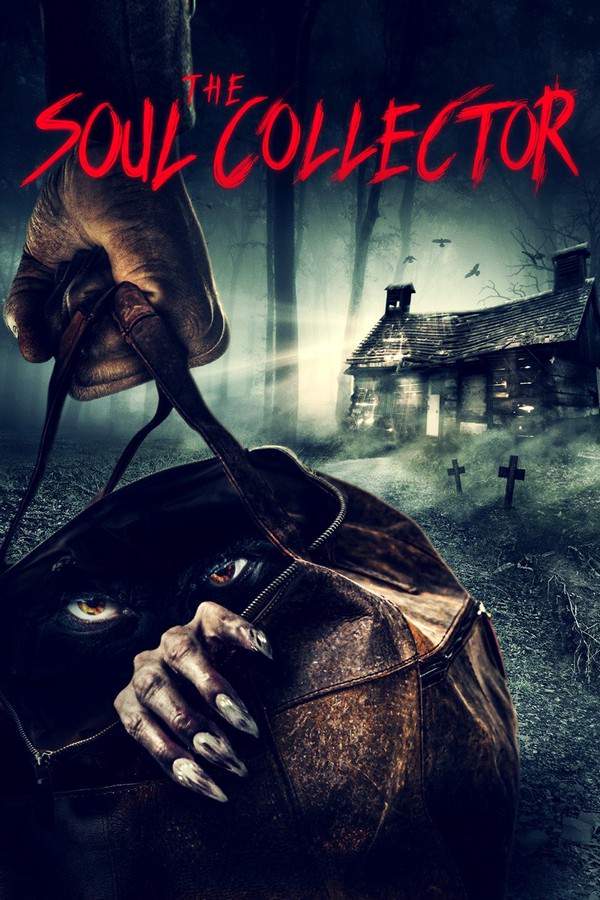
The Soul Collector is a 2020 horror film directed by Harold Holscher, starring Garth Breytenbach as William, Tshamano Sebe and Keita Luna. It runs 1 hour 40 minutes and earned $142,725 worldwide. Critics gave it 73% on Rotten Tomatoes.
- Released
- Runtime
- 1h 40m (100 min)
- Director
- Harold Holscher
- Genre
- Horror
- Original language
-
 English
 - Studio
- Shout! Factory
- After the credits
- No No extra scene
What Is The Soul Collector About?
The premise of The Soul Collector without spoilers. The whole story is in the plot summary further down.
William Ziel reluctantly returns to his family’s farm, inheriting a painful past and uncertain future. Back on the land, unsettling whispers and ominous signs emerge, and a mysterious figure named Lazarus resurfaces, harboring dark secrets. As Lazarus forms a connection with the Ziels’ young daughter, a sinister force threatens the family's tenuous peace and their survival. They must confront the legacy of the farm and the danger that lurks within.
The Soul Collector Cast & Characters
Garth Breytenbach leads the cast as William, with Tshamano Sebe as Lazarus and Keita Luna as Mary. Directed by Harold Holscher; 10 actors are credited in all.
- Director Harold Holscher
- Garth Breytenbach as William
- Tshamano Sebe as Lazarus
- Keita Luna as Mary
- Graham Clarke as William's Father
Also Starring in The Soul Collector
· 6 more- Inge Beckmann Sarah
- Chris April Obara
- Eve Maxagazo Uthuli
- Luxolo Ndabedi Suno
- Owam Amey Vuyiswa
- Sindiwe Magona Suno's Mother
The Soul Collector Reviews & Ratings
Critics gave The Soul Collector 73% on Rotten Tomatoes. Our Echo Score gives it 70/100, strongest in art & craft (78) and weakest in story & flow (50).
The Soul Collector Echo Score Breakdown
The Soul Collector offers a compelling atmosphere and strong technical execution, though narrative inconsistencies temper its impact. Reviews highlight the film’s moody direction, atmospheric visuals, and engaging performances, contrasted by a few tangled subplots and an ending that some found unsatisfying. While the cultural mysticism and unsettling tension are frequently praised, pacing and plot coherence receive more mixed feedback. Ultimately, the film delivers an intriguing but uneven experience that balances style and substance.
Our own 0–100 rating, built from five aspects: art, character, story, the sensory experience and how well a film rewatches.
- Art & Craft 78
In terms of art and craft, the film excels with moody direction, atmospheric cinematography, and polished production design that evoke a cohesive visual identity. Critics commend the technical skill and expressive lighting, while only a few note sluggish editing that affects momentum. The overall presentation is visually striking and confident, establishing a distinct aesthetic that anchors much of the film’s appeal.
- Character & Emotion 70
When it comes to character and emotion, performances are generally strong, with actors delivering nuanced portrayals that convey underlying sorrow and tension. The lead’s emotional burden resonates through subtle expressions, even as some viewers feel secondary roles lack depth. The interactions maintain a credible chemistry despite occasional underdevelopment. Overall, the cast’s commitment lends emotional weight, even if certain arcs could benefit from further exploration.
- Story & Flow 50
Regarding story and flow, the film presents an original premise rooted in local myth but is hampered by uneven pacing and loosely connected subplots. The narrative’s evocative folklore elements draw intrigue, yet a twist-driven ending and occasional coherence issues leave some viewers unsatisfied. While the central concept holds promise, the execution yields mixed engagement that prevents the storyline from fully realizing its potential.
- Sensory Experience 75
In terms of sensory experience, The Soul Collector delivers a rich soundscape and haunting score that amplify its tension. Visual style benefits from a restrained color palette and deliberate framing, creating an immersive atmosphere. Subtle sound design choices enhance every eerie moment, though sporadic subtitle glitches reported by some viewers momentarily disrupt immersion. Overall, the film offers a compelling audiovisual tapestry with minor technical distractions.
- Rewatch Factor 68
When evaluating rewatch factor, the film’s moody ambiance and cultural folklore invite subsequent viewings to appreciate its nuanced atmosphere. Many find the tension and visual flourishes rewarding on repeat, although narrative inconsistencies and a debated ending may diminish long-term appeal for some. The balance of style and thematic depth supports a moderate replay value, inviting audiences to revisit the film’s evocative imagery despite its flaws.
-
 Rotten Tomatoes
 73% Tomatometer
Popcornmeter 69%
See on Rotten Tomatoes -
 Letterboxd
 2.8 /5
See on Letterboxd -
 Movie Insider
 2.8 /5
See on Movie Insider
The Soul Collector Plot Summary
What happens in The Soul Collector from start to finish, spoilers included, with a timeline of 12 key events. The opening is below; the full summary is a 4-minute read.
Spoilers ahead
William Ziel Garth Breytenbach is broke and forced to return to the farm he inherited from his father, hoping to rebuild a life with his fractured family. The journey back to the land is quiet and tense, as debts and doubts shadow every step, and the old house seems to echo with memories of better days. The air feels heavy with a sense of waiting, as if the land itself is weighing the choices of those who return to it. The film grounds its drama in a simple premise: a man confronting ruin and a family trying to cling to each other as the walls of their world crumble around them.
Full summary
The whole story of The Soul Collector, scene by scene
The Soul Collector Box Office
The Soul Collector grossed $142,725 worldwide.
Worldwide gross
$142.7K
- International
- $142.7K
How Well Do You Know The Soul Collector?
10 questions about the story, each with a hint if you get stuck. Pick an answer to see whether you were right.
Question 1 of 10
- Question 1: not answered
- Question 2: not answered
- Question 3: not answered
- Question 4: not answered
- Question 5: not answered
- Question 6: not answered
- Question 7: not answered
- Question 8: not answered
- Question 9: not answered
- Question 10: not answered
What is the name of the main character who returns to his father's farm in the film?
Cars in The Soul Collector
46 cars on screen, including the 2012 Hyundai Accent and the 2015 Chevrolet Suburban.
-
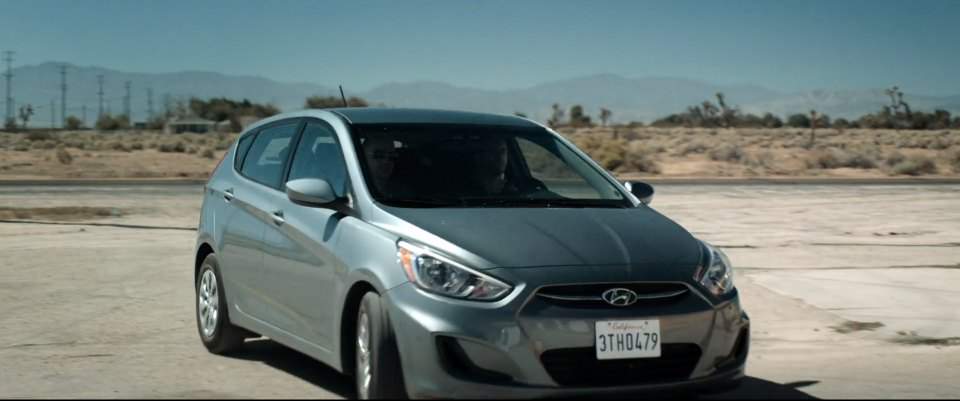 2012 Hyundai Accent Main role
 -
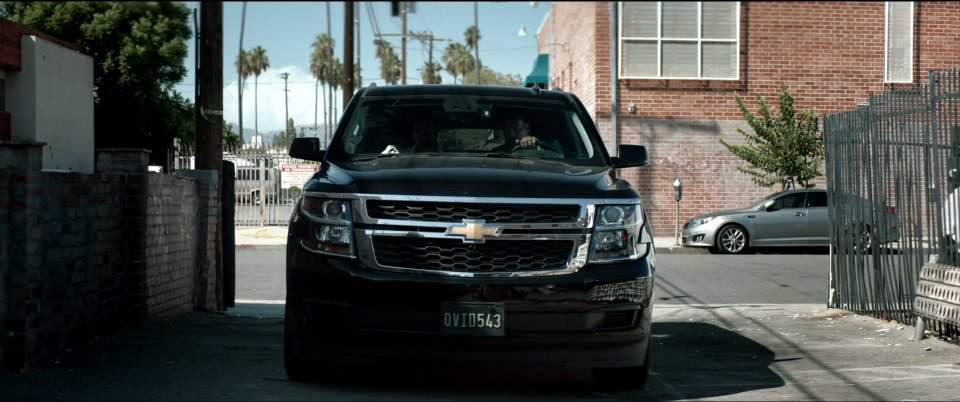 2015 Chevrolet Suburban Important role
 -
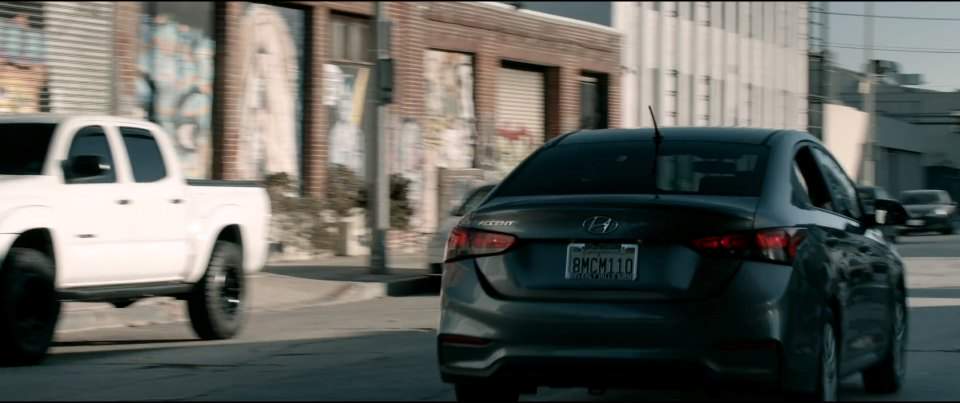 2019 Hyundai Accent Important role
 -
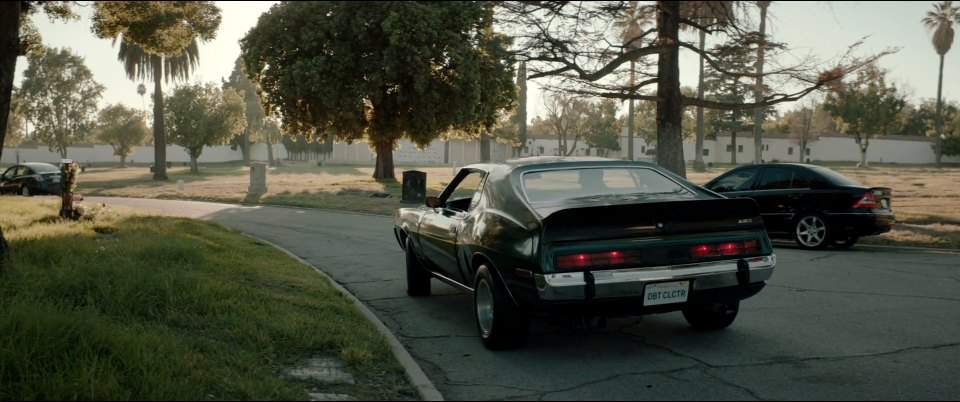 AMC Javelin AMX Minor role
The Soul Collector Also Known As
9 alternative titles, including “8: A South African Horror Story” and “Вісім”.
- Also known as
-
- 8: A South African Horror Story
- Вісім
- Отдай свою душу
- 8 - The Soul Collector
- Dấu Ấn Vô Cực
- 8:一個南非恐怖故事
- 8:一个南非恐怖故事
- 더 소울 콜렉터
- 8 A South African Horror Story
Seen The Soul Collector?
The Soul Collector FAQ: Cast, Box Office & Runtime
Runtime, release date, director, cast, box office, ratings and post-credit scenes of The Soul Collector, each answered in a sentence.
How long is The Soul Collector?
The Soul Collector runs 1 hour 40 minutes (100 minutes).
When was The Soul Collector released?
The Soul Collector was released on June 12, 2020.
Who directed The Soul Collector?
The Soul Collector was directed by Harold Holscher.
Who is in the cast of The Soul Collector?
The Soul Collector stars Garth Breytenbach as William, Tshamano Sebe as Lazarus and Keita Luna as Mary, among 10 credited actors.
How much did The Soul Collector make at the box office?
The Soul Collector grossed $142,725 worldwide.
How is The Soul Collector rated?
The Soul Collector has 73% on Rotten Tomatoes, 2.8/5 on Letterboxd and 2.8/5 on Movie Insider.
Does The Soul Collector have a post-credit scene?
No. The Soul Collector has no extra scene during or after the credits.
Coming soon to your phone
The Plot Explained Movie Summary App
From blockbusters to hidden gems: plot summaries, endings explained and timelines on your phone. Save your favorites and never miss a twist again.
Be the first to know when it launches. Your email stays private, always. Learn more about the app
