The Punisher: Dirty Laundry 2012


In a bad neighborhood, on his way to a laundromat to do his laundry, Frank Castle witnesses a ruthless street gang harassing several people.


Does The Punisher: Dirty Laundry have end credit scenes?
No!
The Punisher: Dirty Laundry does not have end credit scenes. You can leave when the credits roll.
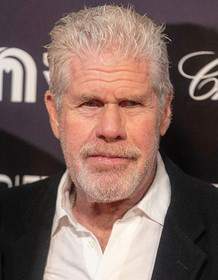
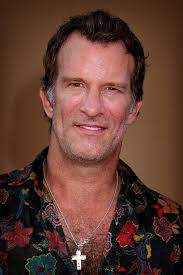
Meet the Full Cast and Actors of The Punisher: Dirty Laundry
Explore the complete cast of The Punisher: Dirty Laundry, including both lead and supporting actors. Learn who plays each character, discover their past roles and achievements, and find out what makes this ensemble cast stand out in the world of film and television.

External Links and Streaming Options
Discover where to watch The Punisher: Dirty Laundry online, including streaming platforms, rental options, and official sources. Compare reviews, ratings, and in-depth movie information across sites like IMDb, TMDb, Wikipedia or Letterboxd.





Full Plot Summary and Ending Explained for The Punisher: Dirty Laundry
Read the complete plot summary of The Punisher: Dirty Laundry, including all major events, twists, and the full ending explained in detail. Explore key characters, themes, hidden meanings, and everything you need to understand the story from beginning to end.
In a run-down neighborhood, Frank Castle wakes up and steps from his van to handle his laundry. The air feels thick with the weight of everyday struggle as he makes his way toward the coin-operated laundromat, a place that looks as tired as the street outside. On that short journey, a street gang—restless and loud—posts itself in the area, bringing trouble into the open. Goldtooth, the gang’s leader, singles out three prostitutes and drags one of them to a back alley, where violence unfolds in a brutal, gut-wrenching fashion. The screams echo through the pavement, slicing through the morning air, but Frank, focused on the ordinary rhythm of washing and drying, chooses to mind his own business and continues with his laundry, trying to blend into the hum of the neighborhood rather than become part of the chaos.
Moments later, a boy named DeShawn moves through the same streets and becomes entangled in the gang’s threats. The gang tries to drag him into selling drugs, prodding him with offers and intimidating him as he resists. When DeShawn refuses, the situation quickly turns confrontational, and the gang begins to mug him in broad daylight. The tension that threads through the block tightens into something sharper and more dangerous, a reminder that fear often lives just beneath the surface of everyday life. Frank crosses to a liquor store across the street, perhaps seeking something that might steady his nerves, something that might blunt the shadows lurking in the corners of the day.
Inside the store, a handicapped clerk named Big Mike shares a blunt, hard-earned memory with him. Big Mike, who has seen the cost of crossing these criminals in the past, recounts a moment two years earlier when he stood up to danger and paid a painful price for it. The memory lands with a dull thud in the room, a warning dressed in ordinary conversation. Frank purchases a bottle of Yoo-hoo for a moment of simple comfort and pairs it with a bottle of Jack Daniel’s, a stark counterpoint to the routine of laundry that has governed his day. He returns to the laundromat, the whiskey and the sense of resolve still settling behind his eyes, and the story of what follows unfolds with brutal efficiency.
What happens next unfolds with a quiet, grim clarity. Frank uses the whiskey as a catalyst and, without fanfare, begins to push back against the gang’s encroachment. He fights with a cold focus, turning the violence of the moment into something deeply personal and precise. Some of the gang members are defeated with raw force, others with the deadly, improvised use of their own weapons, and the clash leaves a stark, devastating impression. In a decisive moment, Goldtooth himself becomes the focal point: Frank wounds him—breaking the gang leader’s right arm and both legs—and forcefully questions the line between justice and punishment, pouring whiskey over the injured man as if to wash away the ambiguity that already lingers in Frank’s mind. He then places a lighter on the ground, a small, almost ceremonial gesture that marks the end of his immediate reckoning and signals a shift back toward the ordinary world he intends to return to.
The aftermath is not a neat, clean denouement. The battered prostitute, who had faced the gang’s violence, returns to the scene and, in a moment of haunting consequence, picks up the lighter and sets Goldtooth on fire. Frank, meanwhile, walks away with his laundry, his thoughts perhaps heavy with the weight of what he has done and what he has chosen not to do in the past. He crosses back toward his van, leaving the street to its quiet, unsettled aftertaste. DeShawn, who had dropped a T-shirt along the way, later finds his chance to reconnect and returns it to Frank with a suggestion that the world’s rules have shifted in this moment. Frank’s reply is simple and restrained: the boy may keep the shirt. As the van pulls away and the neighborhood recedes behind him, DeShawn unfolds the shirt to reveal the Punisher symbol, a stark emblem that carries a weight of its own and a warning of what this day’s violence might portend for all involved.
The film’s tension rests on careful, restrained storytelling—the way small, everyday choices escalate into definitive actions, and how a single day can reveal the fault lines between duty, vengeance, and mercy. The characters—especially Frank Castle, Goldtooth, DeShawn, and Big Mike—move through a sequence of moral tests and physical confrontations that are depicted with a blunt, unadorned honesty. The story becomes a meditation on how a person may respond when confronted with systemic cruelty and personal danger, and how the line between justice and punishment can blur in the heat of immediate action. The ending leaves a lingering sense of consequence, not just for the individuals involved but for a community that has watched itself be exposed to violence and then asked to reckon with it in the wake of a single, defining day.

Coming soon on iOS and Android
The Plot Explained Mobile App
From blockbusters to hidden gems — dive into movie stories anytime, anywhere. Save your favorites, discover plots faster, and never miss a twist again.
Sign up to be the first to know when we launch. Your email stays private — always.
Explore the mobile appDiscover Film Music Concerts Near You – Live Orchestras Performing Iconic Movie Soundtracks
Immerse yourself in the magic of cinema with live orchestral performances of your favorite film scores. From sweeping Hollywood blockbusters and animated classics to epic fantasy soundtracks, our curated listings connect you to upcoming film music events worldwide.
Explore concert film screenings paired with full orchestra concerts, read detailed event information, and secure your tickets for unforgettable evenings celebrating legendary composers like John Williams, Hans Zimmer, and more.


Cars Featured in The Punisher: Dirty Laundry
Explore all cars featured in The Punisher: Dirty Laundry, including their makes, models, scenes they appear in, and their significance to the plot. A must-read for car enthusiasts and movie buffs alike.
The Punisher: Dirty Laundry Other Names and Titles
Explore the various alternative titles, translations, and other names used for The Punisher: Dirty Laundry across different regions and languages. Understand how the film is marketed and recognized worldwide.
Quick Links: Summary, Cast, Ratings, More

What's After the Movie?
Not sure whether to stay after the credits? Find out!
Check out our other apps:

SAT Sphere
Build confidence for the Digital SAT.

Mori Atlas
Discover wild places worth protecting.

Luntero
Search smarter for a home in Amsterdam.

Plot Explained
Unravel movie endings and hidden clues.

Pokechamp
Dive into Pokémon data and battle logic.

Driving Theory
Get ready for your European theory test.

Movie Dust
Plan your next cinema trip with ease.

Musemap
Find art and culture as you travel.

Selkobase
Compare credentials before committing.

Local Manual
Turn an unfamiliar country into practical next steps.

Lernavi
Compare school systems before your next move.

GymRoam
Find a workout stop wherever your plans take you.
Explore Our Movie Platform
New Movie Releases (2026)
Famous Movie Actors
Top Film Production Studios
Movie Plot Summaries & Endings
Major Movie Awards & Winners
Best Concert Films & Music Documentaries
Movie Collections and Curated Lists
© 2026 What's After the Movie. All rights reserved.
Privacy Policy