The Miracle Man 1932
Runtime
85 mins
Language

English

A gang of thieves on the run flees to a quiet town, where their leader John Madison meets a self‑styled faith healer. Madison exploits the healer to swindle townspeople out of money for a fake chapel. When the healer genuinely cures someone, the criminals experience an unexpected transformation.


Does The Miracle Man have end credit scenes?
No!
The Miracle Man does not have end credit scenes. You can leave when the credits roll.
Meet the Full Cast and Actors of The Miracle Man
Explore the complete cast of The Miracle Man, including both lead and supporting actors. Learn who plays each character, discover their past roles and achievements, and find out what makes this ensemble cast stand out in the world of film and television.
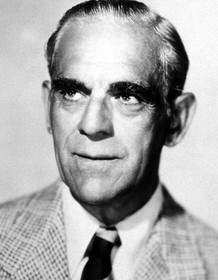
Boris Karloff
Nikko

Sylvia Sidney
Helen Smith aka Helen Vail

Chester Morris
John 'Doc' Madison

John Wray
The Frog
Ned Sparks
Harry Evans
Virginia Bruce
Margaret Thornton
Bodil Rosing
Hobart Bosworth
The Patriarch
Billy Franey
Lloyd Hughes
Robert Thornton
Frank Darien
Hiram Higgins
Florence Wix
Irving Pichel
Henry Holmes
Wong Chung
Davison Clark
Sherry Hall
Monte Collins
Lew Kelly
Harrison Greene
Veda Buckland
Robert Coogan
Bobbie Holmes
Jackie Searl
Jerry Tucker
Jane Keckley
Florine McKinney
Betty Higgins
External Links and Streaming Options
Discover where to watch The Miracle Man online, including streaming platforms, rental options, and official sources. Compare reviews, ratings, and in-depth movie information across sites like IMDb, TMDb, Wikipedia or Letterboxd.




Take the Ultimate The Miracle Man Movie Quiz
Challenge your knowledge of The Miracle Man with this fun and interactive movie quiz. Test yourself on key plot points, iconic characters, hidden details, and memorable moments to see how well you really know the film.
The Miracle Man (1932) Quiz: Test your knowledge of the key characters, events, and twists in the 1932 film *The Miracle Man*.
What is the name of the young woman who becomes a traveling evangelist known as "Sister Fallon"?
Full Plot Summary and Ending Explained for The Miracle Man
Read the complete plot summary of The Miracle Man, including all major events, twists, and the full ending explained in detail. Explore key characters, themes, hidden meanings, and everything you need to understand the story from beginning to end.
Florence Fallon, the daughter of an elderly clergyman, is outraged when the church elders replace her father after twenty years of ministry. She argues that his heart was broken by a decision driven more by ambition than by piety, and her impassioned plea cuts through the somber air of the church. She accuses the congregation of ingratitude and hypocrisy, and her fierce outburst lingers in the minds of those who hear it. As the service ends and the pews empty, a shrewd promoter named Bob Hornsby spots an opportunity in Florence’s raw conviction. He sees a way to turn faith into fundraising, to squeeze donations from believers who are hungry for meaning and spectacle.
Billed as “Sister Fallon,” Florence becomes a traveling evangelist for the so‑called Temple of Happiness, a mobile pulpit that rides from town to town on the weathered backs of promoters and schedules. Her sermons are broadcast on the radio, reaching listeners far beyond the few who attend the weekly crusades. The voice that rings out through the ether is both fervent and persuasive, a blend of certainty and warmth that compels people to listen and to hope. Into this rising flame steps John, a blind aviator veteran whose world is narrowed to touch, memory, and music. He contemplates suicide out of despair and loneliness, yet he feels an odd pull toward Florence’s message—the same message that promises mercy, purpose, and a sense of belonging.
John is accompanied by Mrs. Higgins, his patient, patient caretaker who often keeps vigil at his bedside and in his mind. The pair attends Florence’s crusade, where Florence—newly fearless and radiant in her role—performs in a dramatic, almost theatrical setting. One of the most striking moments of the crusade has Florence preaching from inside a cage of lions, a visual testament to the strength of her faith and the trust she asks from her flock. She challenges a congregant to step into the cage with her as a test of faith, an invitation that John accepts with a mixture of awe and trepidation. The spectacle draws gasps and gaslights alike, and it deepens the strange bond forming between Florence and John, even as promoter Hornsby keeps a wary count of every coin that pours in.
After the sermon, Hornsby moves to tighten control over his rented actors and their stories. He guilts the shills who promote the crusade and keeps a careful eye on the money and the appearances. The plot thickens when Florence prepares to leave for a party arranged by Hornsby, and John waits outside to escort her to a more personal haven. In a quiet apartment filled with music, piano tunes, and a ventriloquist’s puppet, John offers a world of sound that Florence finds unexpectedly soothing. She agrees to hire him to write hymns for her growing repertoire, recognizing in his melodies a potential to give her public faith a more intimate, human touch.
At Hornsby’s party, a manager named Bill Welford threatens exposure of their operations unless he receives more money. The night broadens into a tense interplay of loyalty, avarice, and fear. Florence completes a sermon, confident in the power of her voice, but the mood turns grim when a newspaper article surfaces—an apparent suicide of Welford’s rival or associate—used to create leverage against Florence and her enterprise. Hornsby closes in with a calculated blend of charm and coercion, kissing Florence in a moment of jealousy and possession, then slipping away with her house key as a token of control that will be used to press her into silence.
Florence returns to John’s apartment for a private evening and, for a moment, the world feels possible again. The two share a kiss, and a fragile trust begins to form between them. Yet Florence is not free of the web she has woven; Hornsby manipulates events by planting stories in the media and fabricating travel plans that sound glamorous but are, in truth, a ruse. He fabricates a health scare and a supposed departure for Palestine, a pretense that Florence will abandon her crusade for a life of luxury and intrigue that ends in Monte Carlo. Florence senses the distortions and demands a retraction, but Hornsby tightens his grip by threatening criminal charges and accusations of embezzlement.
The truth-telling moment arrives with quiet courage. Florence confides in John, and he accepts the truth with a grace that tempers the looming storm. He tells her he will stand by her, even if his own life is tangled in the consequences of their choices. Yet the moment of confession is interrupted by Hornsby’s violent impatience. He punches John in a fit of jealousy just as Florence prepares to address the congregation with the hard truth she has carried inside her for so long.
When Florence finally speaks openly to the crowd, a storm of fear and anger erupts around them. Hornsby orders a light blackout, hoping to throw the room into confusion, but the plan backfires; the building catches fire and the flames lick at the rafters while the frightened congregation panics. In the chaos, John’s presence becomes a beacon of hope. He fights his way through burning hallways to reach Florence and, against the odds, rescues her from the blaze, proving that courage can still have a human face in the face of fear.
Six months pass, a small but telling interval that shifts the story’s center of gravity. Hornsby discovers that Florence has found a new path, one with the Salvation Army as a steady compass rather than a dazzling—but unstable—platform. A telegram from John arrives, hinting that his sight might be restored and offering a quiet, tantalizing hint of a future where their lives could intertwine in more hopeful and honest ways. Florence’s faith, once a weapon used to draw in crowds, has become a personal vocation—less a spectacle and more a calling. She marches forward with a sense of renewed purpose, her conviction tempered by experience, while Hornsby watches from the sidelines with a look that mixes contempt and perhaps a grudging respect for the strength of the woman who would not be broken by his schemes.
In the end, the film leaves Florence on a path toward redemption and reinvention, carrying with her the lessons of notoriety and the tempered grace of a faith that has endured pain, exposure, and truth. The blaze that tested her public life becomes the catalyst for a private endurance, and the final image suggests that faith can evolve—from a staged triumph to a genuine commitment to help others, even as the world continues to test its limits. The story closes on a note of cautious hope: a life rearranged, a heart clarified, and a belief that endures beyond the applause and the shadows of manipulation.

Coming soon on iOS and Android
The Plot Explained Mobile App
From blockbusters to hidden gems — dive into movie stories anytime, anywhere. Save your favorites, discover plots faster, and never miss a twist again.
Sign up to be the first to know when we launch. Your email stays private — always.
Explore the mobile appDiscover Film Music Concerts Near You – Live Orchestras Performing Iconic Movie Soundtracks
Immerse yourself in the magic of cinema with live orchestral performances of your favorite film scores. From sweeping Hollywood blockbusters and animated classics to epic fantasy soundtracks, our curated listings connect you to upcoming film music events worldwide.
Explore concert film screenings paired with full orchestra concerts, read detailed event information, and secure your tickets for unforgettable evenings celebrating legendary composers like John Williams, Hans Zimmer, and more.


The Miracle Man Themes and Keywords
Discover the central themes, ideas, and keywords that define the movie’s story, tone, and message. Analyze the film’s deeper meanings, genre influences, and recurring concepts.
The Miracle Man Other Names and Titles
Explore the various alternative titles, translations, and other names used for The Miracle Man across different regions and languages. Understand how the film is marketed and recognized worldwide.
Quick Links: Summary, Cast, Ratings, More

What's After the Movie?
Not sure whether to stay after the credits? Find out!
Check out our other apps:

SAT Sphere
Build confidence for the Digital SAT.

Mori Atlas
Discover wild places worth protecting.

Luntero
Search smarter for a home in Amsterdam.

Plot Explained
Unravel movie endings and hidden clues.

Pokechamp
Dive into Pokémon data and battle logic.

Driving Theory
Get ready for your European theory test.

Movie Dust
Plan your next cinema trip with ease.

Musemap
Find art and culture as you travel.

Selkobase
Compare credentials before committing.

Local Manual
Turn an unfamiliar country into practical next steps.

Lernavi
Compare school systems before your next move.

GymRoam
Find a workout stop wherever your plans take you.
Explore Our Movie Platform
New Movie Releases (2026)
Famous Movie Actors
Top Film Production Studios
Movie Plot Summaries & Endings
Major Movie Awards & Winners
Best Concert Films & Music Documentaries
Movie Collections and Curated Lists
© 2026 What's After the Movie. All rights reserved.
Privacy Policy