The Hatchet Man 1932


He kills! She thrills! When he’s forced to kill his best friend, a Chinese hit man adopts the man’s daughter.


Does The Hatchet Man have end credit scenes?
No!
The Hatchet Man does not have end credit scenes. You can leave when the credits roll.
Meet the Full Cast and Actors of The Hatchet Man
Explore the complete cast of The Hatchet Man, including both lead and supporting actors. Learn who plays each character, discover their past roles and achievements, and find out what makes this ensemble cast stand out in the world of film and television.
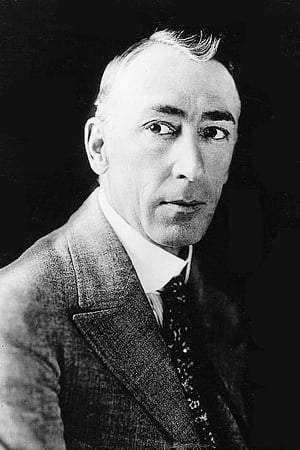
Tully Marshall
Long Sen Yat
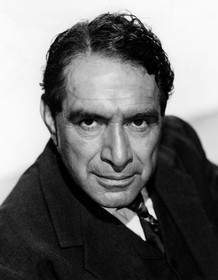
J. Carrol Naish
Sun Yat Ming

Loretta Young
Sun Toya San
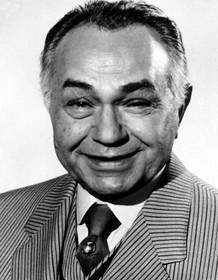
Edward G. Robinson
Wong Low Get

Blanche Friderici
Madame Si-Si (uncredited)
Charles Middleton
Lip Hop Fat
Dudley Digges
Nog Hong Fah
Edmund Breese
Yu Chang
Leslie Fenton
Harry En Hai
E. Alyn Warren
Soo Lat the Cobbler
Edward Peil Sr.
Bing Foo
Toshia Mori
Wong's Secretary Miss Ling (uncredited)
Anna Chang
Sing Girl (uncredited)
External Links and Streaming Options
Discover where to watch The Hatchet Man online, including streaming platforms, rental options, and official sources. Compare reviews, ratings, and in-depth movie information across sites like IMDb, TMDb, Wikipedia or Letterboxd.




Take the Ultimate The Hatchet Man Movie Quiz
Challenge your knowledge of The Hatchet Man with this fun and interactive movie quiz. Test yourself on key plot points, iconic characters, hidden details, and memorable moments to see how well you really know the film.
The Hatchet Man (1932) Quiz: Test your knowledge of the characters, plot twists, and key moments in the 1932 film *The Hatchet Man*.
Who serves as the Lem Sing Tong’s hatchet man?
Full Plot Summary and Ending Explained for The Hatchet Man
Read the complete plot summary of The Hatchet Man, including all major events, twists, and the full ending explained in detail. Explore key characters, themes, hidden meanings, and everything you need to understand the story from beginning to end.
After the death of Hop Li, a member of the powerful Lem Sing Tong, the narrative opens with his funeral winding through DuPont Street. A towering dragon banner unfurls, and the mood shifts from mourning to menace as panic spreads: men sharpen hatchets and shopfronts close up. From Sacramento, Wong Low Get arrives with a mission of vengeance, summoned to settle Hop Li’s death. He is stunned to learn from the council president, Nog Hong Fah, that the supposed culprit is Sun Yat Ming, a childhood friend who seems to harbor a fatal secret.
Sun Yat Ming greets Wong with a measured calm, as if prepared for the worst. He has anticipated his own assassination and, in a stark confession, reveals a living will: he leaves everything to Wong, and requests that Wong raise his daughter Toya San and marry her when she comes of age. Wong, bound by loyalty, agrees, but the revelation carries a heavier weight—he discloses that he is the Lem Sing Tong’s hatchet man. Before any exchange of blows, Wong makes a solemn vow before the Buddha that Toya will never feel “the song of sorrow.” Sun Yat Ming, in a quiet act of forgiveness, kneels and prays, accepting that even a friend’s act of justice can carry the burden of guilt.
Fast-forward to Chinatown in what is presented as a modern era, a far cry from the earlier conflict. The old order has faded: the queues and chopsticks are gone, the warring Tongs are a memory. Wong Low Get has become a prosperous, respected businessman, enjoying wealth and status in a changing community. Nog Hong Fah, resistant to progress, rails against the new freedoms that accompany educated and independent women. It’s Toya’s birthday, and tradition dictates a betrothal, yet Wong has chosen to insist on giving Toya agency rather than forcing a match. The moment arrives as Wong offers Toya his mother’s ring and professes his love; she meets him with a quiet conviction, replying, “My father’s wish is also mine.” Wong kneels before the statue of Buddha, renewing his vow to make her happiness his singular aim.
The wedding day casts a shadow as the Bing Foo, the Sacramento-based outlaw Tong, declares war in response to these shifts. Wong fears a nationwide clash that could turn Tongs into true gangsters. Nog Hong Fah responds by hiring bodyguards, and the dashing young gangster Harry En Hai steps into Wong’s orbit to watch over him. Toya, a modern woman with education and vitality, initially brushes off Harry’s advances, choosing her own path and testing the boundaries of love and duty.
For a time, Wong and Toya find happiness, welcoming the promise of a shared future. Yet threats and blackmail from Sacramento persist, and tragedy enters through the loyal clerk Chung Ho, who is killed. Wong travels to Sacramento to confront the Bing Foo, where only the white gangster Big Jim Malone resists cooperation. Wong eliminates Malone, and with his enemy removed, the artificial peace collapses under pressure. The wedding’s dream of unity fractures as Harry seduces Toya, a betrayal that hurts Wong even as he tries to protect her happiness.
When Wong returns, he finds them entwined, and Toya recalls his earlier pledge to secure her happiness. He chooses to give Toya and her future to Harry, insisting that Harry swear an oath and warning that Buddha will judge any violation. This decision leads to a devastating consequence: Wong is erased from the Tong’s records and cast into poverty, shunned by the world he helped to build. Toya, meanwhile, writes a desperate note from across the ocean in China, telling him that she loves him alone. She and Harry are deported after the government catches Harry selling opium, and Wong heads to China to salvage what dignity remains, starting anew as a stoker.
In the long arc of sacrifice and endurance, Toya’s fate takes a grim turn as she becomes a prisoner in an opium den, forced into a life of vice by Madame Si-Si. Madame Si-Si is a formidable antagonist, a figure of cruelty who flaunts the law as Toya is sold by Harry to her clutches. Harry sees Wong in the distance, but suspects nothing more than a drug-induced apparition. Toya’s courage falters as she faints, yet Wong’s love remains steady and unbroken. He confronts Madame Si-Si, demanding Toya’s return under ancient Chinese law and the honor of a hatchet man. Madame Si-Si scoffs, but Wong proves his claim by striking the eye of a dragon painted on the wall, a symbolic test of his authority and persistence. Toya and Wong manage to escape, and Wong promises to return for Harry.
The confrontation ends with a chilling turn: Madame Si-Si’s guards remove the hatchet from Harry’s skull, leaving his body to fall, a stark reminder of the old rules enforced with brutal certainty. The scene closes on a grave tableau beside a Buddha statue, where Wong repeats his warning to Harry with a grim conviction: the great Lord Buddha will find you no matter where you are on the face of the Earth.
Quotes from these pivotal moments punctuate the drama, preserving the film’s moral weight and tragic mood:
“the song of sorrow.”
“My father’s wish is also mine.”
“The great Lord Buddha will find you no matter where you are on the face of the Earth”
Cast highlights, tied to their on-screen roles, add texture to this story of loyalty, power, and the harsh costs of pride. For those following the performers:
- Sun Yat Ming is portrayed by Sun Yat Ming.
- Wong Low Get is portrayed by Wong Low Get.
- Toya San is portrayed by Toya San.
- Nog Hong Fah is portrayed by Nog Hong Fah.
- Harry En Hai is portrayed by Harry En Hai.
- Madame Si-Si is portrayed by Madame Si-Si.
- Bing Foo is portrayed by Bing Foo.
The film threads a path through cultural tension and personal tragedy, balancing moments of tenderness with stark episodes of violence, all while exploring how loyalty, tradition, and love collide in a world where power can be as fragile as honor.

Coming soon on iOS and Android
The Plot Explained Mobile App
From blockbusters to hidden gems — dive into movie stories anytime, anywhere. Save your favorites, discover plots faster, and never miss a twist again.
Sign up to be the first to know when we launch. Your email stays private — always.
Explore the mobile appDiscover Film Music Concerts Near You – Live Orchestras Performing Iconic Movie Soundtracks
Immerse yourself in the magic of cinema with live orchestral performances of your favorite film scores. From sweeping Hollywood blockbusters and animated classics to epic fantasy soundtracks, our curated listings connect you to upcoming film music events worldwide.
Explore concert film screenings paired with full orchestra concerts, read detailed event information, and secure your tickets for unforgettable evenings celebrating legendary composers like John Williams, Hans Zimmer, and more.


The Hatchet Man Themes and Keywords
Discover the central themes, ideas, and keywords that define the movie’s story, tone, and message. Analyze the film’s deeper meanings, genre influences, and recurring concepts.
The Hatchet Man Other Names and Titles
Explore the various alternative titles, translations, and other names used for The Hatchet Man across different regions and languages. Understand how the film is marketed and recognized worldwide.
Similar Movies To The Hatchet Man You Should Know About
Browse a curated list of movies similar in genre, tone, characters, or story structure. Discover new titles like the one you're watching, perfect for fans of related plots, vibes, or cinematic styles.


Quick Links: Summary, Cast, Ratings, More

What's After the Movie?
Not sure whether to stay after the credits? Find out!
Check out our other apps:

SAT Sphere
Build confidence for the Digital SAT.

Mori Atlas
Discover wild places worth protecting.

Luntero
Search smarter for a home in Amsterdam.

Plot Explained
Unravel movie endings and hidden clues.

Pokechamp
Dive into Pokémon data and battle logic.

Driving Theory
Get ready for your European theory test.

Movie Dust
Plan your next cinema trip with ease.

Musemap
Find art and culture as you travel.

Selkobase
Compare credentials before committing.

Local Manual
Turn an unfamiliar country into practical next steps.

Lernavi
Compare school systems before your next move.

GymRoam
Find a workout stop wherever your plans take you.
Explore Our Movie Platform
New Movie Releases (2026)
Famous Movie Actors
Top Film Production Studios
Movie Plot Summaries & Endings
Major Movie Awards & Winners
Best Concert Films & Music Documentaries
Movie Collections and Curated Lists
© 2026 What's After the Movie. All rights reserved.
Privacy Policy