The Foster Boy 2011


In 1955 Switzerland, orphan Max is placed as a foster child on the Bösiger farm, where he is used as labor and bullied by the son. His only solace is playing the accordion. When a new teacher defends him, the situation worsens. Max relies on his friendship with fellow farmhand Berteli, sharing daydreams of a silver‑forked Argentina.


Does The Foster Boy have end credit scenes?
No!
The Foster Boy does not have end credit scenes. You can leave when the credits roll.
Meet the Full Cast and Actors of The Foster Boy
Explore the complete cast of The Foster Boy, including both lead and supporting actors. Learn who plays each character, discover their past roles and achievements, and find out what makes this ensemble cast stand out in the world of film and television.
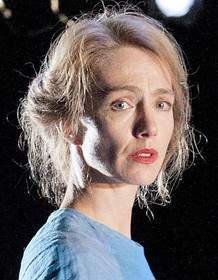
Ursina Lardi
Mother Dürrer

Hanspeter Müller
Mayor
Maximilian Simonischek
Jakob
Max Hubacher
Max
Katja Riemann
Mrs. Bösiger
Stefan Kurt
Mr. Bösiger
Peter Wyssbrod
Doctor
Miriam Stein
Esther
Andreas Matti
Hasslinger
Christoph Gaugler
Störmetzger
Lisa Brand
Berteli
Heidy Forster
Grandmother
Ernst C. Sigrist
Policeman
Martin Hug
Hugo Wagner
Rebekka Burckhardt
Teacher
Juan José Mosalini
Max in 2011
External Links and Streaming Options
Discover where to watch The Foster Boy online, including streaming platforms, rental options, and official sources. Compare reviews, ratings, and in-depth movie information across sites like IMDb, TMDb, Wikipedia or Rotten Tomatoes.





Take the Ultimate The Foster Boy Movie Quiz
Challenge your knowledge of The Foster Boy with this fun and interactive movie quiz. Test yourself on key plot points, iconic characters, hidden details, and memorable moments to see how well you really know the film.
The Foster Boy Quiz: Test your knowledge of the 2011 film *The Foster Boy* with ten questions ranging from easy to challenging.
What musical instrument is Max most passionate about?
Full Plot Summary and Ending Explained for The Foster Boy
Read the complete plot summary of The Foster Boy, including all major events, twists, and the full ending explained in detail. Explore key characters, themes, hidden meanings, and everything you need to understand the story from beginning to end.
Max Max Hubacher is an orphan whose one true passion is playing the accordion. He is sent to the Bosigers’ farm, where he meets Berteli Lisa Brand, another foster child. Although they are fed and sent to school, Max and Berteli are treated more like servants than family. Berteli is distressed by being separated from her mother, and at first Mrs. Bosiger Katja Riemann shows tenderness by offering chocolate when she cries at the dinner table. Max is cautious at first, but his affection for Berteli grows over time.
Max keeps a beloved pet rabbit, a detail that becomes painfully connected to a cruel moment. Berteli innocently tells Jakob Maximilian Simonischek, the Bosigers’ son, about the rabbit, and he coldly kills it and brings the meat for Mrs. Bosiger to cook. When he later blurts out at the table that it was Max’s rabbit, Max rushes outside and vomits, deeply unsettled by the violence and the way their world normalizes cruelty.
At school, Max and Berteli’s teacher Miss Sigrist Rebekka Burckhardt takes a special interest in Max and encourages him to perform on Schwingen Day, a community event that brings the family together for an evening out. The night turns sour when Jakob makes sexual advances toward Miss Sigrist, prompting Max to intervene and defend her by beating Jakob. Jakob’s retaliation comes quickly, as he burns Max’s accordion, a brutal act that underscored how fragile safety can be for the two children. The situation deteriorates further as Berteli endures nightly visits from Jakob, who assaults her, forcing Berteli to confront the brutal reality of her abuse.
Berteli longs to return to her mother, who cannot look after her but pleads with the man she is living with to keep Berteli with her. He refuses, and Berteli, sensing her mother’s dilemma, chooses to stay with the Bosigers rather than leave. The mounting horror pushes Max to propose a drastic plan: they should flee to Argentina so he can pursue his dream of becoming a professional musician. Miss Sigrist tries to intervene again and goes to the authorities to expose the abuse, an effort that comes at a cost. Berteli becomes pregnant, and Max, shaken, confides in Miss Sigrist about Jakob’s actions.
Miss Sigrist visits the farm and tells Mrs. Bosiger that Jakob has been having sex with Berteli. Mrs. Bosiger erupts in anger and ejects Miss Sigrist from the house. Undeterred, Miss Sigrist—who has now lost her job for speaking up—leaves behind a last gesture of hope: she gives Max a brand-new accordion. Mrs. Bosiger later sees Berteli vomiting and learns from Berteli that the illness is tied to Jakob’s abuse. She initially tries to dismiss the claim, but confronts Jakob when pressed.
A darker turn follows as Mrs. Bosiger forces Berteli to drink castor oil in an attempted abortion, a nightmarish scene that Max hears in the darkness as Berteli screams. A heavily intoxicated Mr. Bosiger prevents Max from reaching Berteli and makes him play the accordion to drown out the screams. After Berteli’s contractions stop, Max visits her to find the blood-stained sheets, a chilling reminder of what has happened.
The plan to run away to Argentina remains, but Berteli dies under circumstances that leave it unclear whether she took her own life or died from infection. The authorities begin to investigate, and Mrs. Bosiger and Jakob claim Berteli’s death was a suicide. When the Reverend begins to pray over Berteli’s body, Max shouts the truth about what happened. Mr. Bosiger shows the authorities the bottle of castor oil used on Berteli, a damning piece of evidence that prompts a broader inquiry into the foster-system abuses.
Max ultimately escapes to Argentina, where he finds work on a ship and continues to play his accordion, earning a living and honoring Berteli in his own way. He narrates, as though speaking to her, about his earnings, meals, and the fact that he is no longer beaten. He explains that he will continue to communicate with Berteli through his music, imagining that she rests with her father and even his lost rabbit in a heaven of shared memories. The final scene follows an older Max playing before an audience, signaling that he did reach Argentina and fulfilled his lifelong dream of becoming the musician he always imagined.

Coming soon on iOS and Android
The Plot Explained Mobile App
From blockbusters to hidden gems — dive into movie stories anytime, anywhere. Save your favorites, discover plots faster, and never miss a twist again.
Sign up to be the first to know when we launch. Your email stays private — always.
Explore the mobile appWatch Trailers, Clips & Behind-the-Scenes for The Foster Boy
Watch official trailers, exclusive clips, cast interviews, and behind-the-scenes footage from The Foster Boy. Dive deeper into the making of the film, its standout moments, and key production insights.
The Foster Boy Other Names and Titles
Explore the various alternative titles, translations, and other names used for The Foster Boy across different regions and languages. Understand how the film is marketed and recognized worldwide.
Quick Links: Summary, Cast, Ratings, More

What's After the Movie?
Not sure whether to stay after the credits? Find out!
Check out our other apps:

SAT Sphere
Build confidence for the Digital SAT.

Mori Atlas
Discover wild places worth protecting.

Luntero
Search smarter for a home in Amsterdam.

Plot Explained
Unravel movie endings and hidden clues.

Pokechamp
Dive into Pokémon data and battle logic.

Driving Theory
Get ready for your European theory test.

Movie Dust
Plan your next cinema trip with ease.

Musemap
Find art and culture as you travel.

Selkobase
Compare credentials before committing.

Local Manual
Turn an unfamiliar country into practical next steps.

Lernavi
Compare school systems before your next move.

GymRoam
Find a workout stop wherever your plans take you.
Explore Our Movie Platform
New Movie Releases (2026)
Famous Movie Actors
Top Film Production Studios
Movie Plot Summaries & Endings
Major Movie Awards & Winners
Best Concert Films & Music Documentaries
Movie Collections and Curated Lists
© 2026 What's After the Movie. All rights reserved.
Privacy Policy