The Bishop Murder Case 1929


Detective Philo Vance probes murders tied together by nursery‑rhyme notes signed ‘Bishop.’ The first victim, Robin, is found with an arrow through his heart, though Vance sees the body was moved. Mrs. Drukker and her son Adolph refuse to speak as each killing follows another rhyme. Vance pieces the clues to expose ‘Bishop.’


Does The Bishop Murder Case have end credit scenes?
No!
The Bishop Murder Case does not have end credit scenes. You can leave when the credits roll.
Where to Watch The Bishop Murder Case
See current US streaming, rental, and purchase options for The Bishop Murder Case (1929) via JustWatch.






Streaming availability powered by 
Meet the Full Cast and Actors of The Bishop Murder Case
Explore the complete cast of The Bishop Murder Case, including both lead and supporting actors. Learn who plays each character, discover their past roles and achievements, and find out what makes this ensemble cast stand out in the world of film and television.
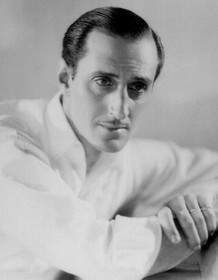
Basil Rathbone
Philo Vance
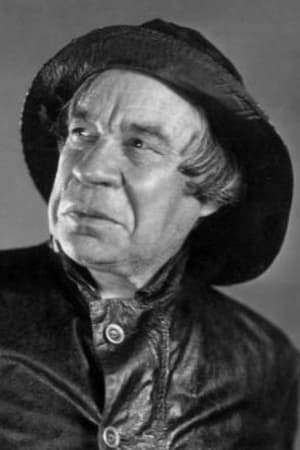
George F. Marion
Adolph Drukker
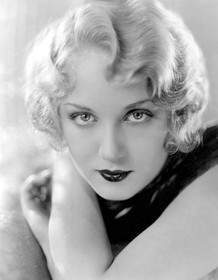
Leila Hyams
Belle Dillard

Roland Young
Sigurd 'Erik' Arnesson
Alec B. Francis
Professor Bertrand Dillard
Bodil Rosing
Grete Menzel
David Burton
Clarence Geldart
John F.-X. Markham
Nellie Bly Baker
Beedle
Marcia Mae Jones
Hungry Child in Park (uncredited)
Sidney Bracey
Pyne (as Sydney Bracey)
James Donlan
Ernest Heath
Carroll Nye
John E. Sprigg
Charles Quatermaine
John Pardee (as Charles Quartermaine)
Zelda Sears
Mrs. Otto Drukker
External Links and Streaming Options
Discover where to watch The Bishop Murder Case online, including streaming platforms, rental options, and official sources. Compare reviews, ratings, and in-depth movie information across sites like IMDb, TMDb, Wikipedia or Rotten Tomatoes.






Take the Ultimate The Bishop Murder Case Movie Quiz
Challenge your knowledge of The Bishop Murder Case with this fun and interactive movie quiz. Test yourself on key plot points, iconic characters, hidden details, and memorable moments to see how well you really know the film.
The Bishop Murder Case (1929) Quiz: A diverse quiz exploring the key plot points, characters, and clues from the 1929 mystery film 'The Bishop Murder Case'.
Who is the private detective called in to investigate the murder?
Full Plot Summary and Ending Explained for The Bishop Murder Case
Read the complete plot summary of The Bishop Murder Case, including all major events, twists, and the full ending explained in detail. Explore key characters, themes, hidden meanings, and everything you need to understand the story from beginning to end.
From his private balcony, Professor Bertrand Dillard and his loyal servant discover the unsettling sight of the body of their family friend, Joseph Robin, with an arrow lodged in his chest. However, Dillard quickly deduces that the scene was deliberately staged, as Robin was actually murdered inside the house with a blunt object. Despite the clear evidence of foul play, the identity of the killer remains elusive, with no obvious suspect emerging at first glance.
Dillard lives with his niece, Belle Dillard, who is visibly distressed by the event. Also living in the household is his adopted son, Sigurd ‘Erik’ Arnesson, a young man returning from college after hearing about the murder. Sigurd is not only Dillard’s adopted son but also Belle’s boyfriend, and his arrival adds a layer of tension and emotional complexity to the investigation. The nearby houses are occupied by neighbors like the Drukkers—a brother and sister. The sister feels responsible for a previous serious injury inflicted by her brother, which has left him frail and suffering from agoraphobia. She claims she did not see or hear anything related to the murder, despite the possibility that she might have observed the scene from her window. Mr. Drukker admits to having been inside Dillard’s house prior to the murder, adding suspicion.
Another neighbor of interest is John Pardee, a passionate chess enthusiast, who appears overly eager to pry into the ongoing investigation. Throughout the case, a mysterious taunting message on typewritten paper, signed by “the Bishop,” surfaces. The note alludes to the nursery rhyme “Cock Robin,” which connects to Robin’s nickname, and hints at a deeper symbolic game. Interestingly, at that time, a visitor named Sperling (meaning “Sparrow” in German) was present, but he manages to establish an alibi, leaving suspicion elsewhere. The note’s typewriter does not match the ones used by Drukker or Arnesson, and Dillard also claims he does not possess a typewriter.
The mystery thickens when Arnesson’s friend, John, is found murdered—shot in the head, an allusion to the “Jack” in the nursery rhyme “Jack and Jill.” This cryptic pattern continues when Drukker, sitting in a park late at night, is pushed off a low wall and killed, referencing “Humpty Dumpty,” accompanied by a note from “the Bishop.” Further tragedy strikes when Bodil Rosing’s character, Mrs. Otto Drukker, is found dead, seemingly from fright, clutching a chess bishop piece, while a valuable notebook detailing Drukker’s research work goes missing from their home.
The investigation grows darker as Heath and Markham grow suspicious of Pardee, but their suspicions are confounded when Pardee is found dead—dead with a house of cards and a chess bishop placed atop, symbolizing “This Is the House That Jack Built.” As the case unfolds, Dillard expresses doubts about Arnesson’s behavior and mentions the famous Ibsen play “The Pretenders,” which Arnesson is fond of, foreshadowing deeper psychological ties and hidden motives.
That night, Belle discovers the typewriter used by “the Bishop” in the attic after saying goodnight to Arnesson. Her discovery is interrupted when she is suddenly attacked from behind. Reflecting on Dillard’s comments later, Vance quickly identifies that one of the characters from “The Pretenders”—a bishop named Arnesson—mirrors Sigurd’s character, hinting at his possible involvement. With urgency, Vance rushes back to Dillard’s house alongside Markham, Heath, and the police, in a race against time.
They find Arnesson’s window open and him missing, along with Belle. Dillard joins the search, and they break into the locked attic, uncovering the typewriter—but Belle is not there. Instead, she has been tied and gagged in a nearby cupola. Vance and the others then confront Arnesson when he returns unexpectedly. His reaction appears guilty, and Dillard subtly slips a powder from a poison ring into a wine glass, setting the stage for a dramatic revelation.
As tension reaches its peak, Vance exposes Dillard as the true culprit. It turns out he was the murderer, attempting to fake Arnesson’s suicide to cover his own crimes. He had originally planned to kill Robin and falsely accuse Arnesson, but as the investigation progressed, Dillard devised a more intricate scheme to eliminate witnesses and cover his tracks, driven by jealousy and obsession. Dillard had also killed Robin in a staged scene and was trying to frame Arnesson. The guilty doctor’s act of guilt was reinforced when Vance notices Dillard attempting to pour poison into the wine glasses—though Vance had already switched the glasses, preventing the tragedy from occurring.
In the denouement, Arnesson and Belle share a heartfelt embrace, relieved and safe. Vance prevents Heath from recklessly drinking the poisoned wine, exposing Dillard’s treachery once and for all. The case concludes with the revelation that Dillard was ultimately motivated by jealousy and a desire for control, manipulating everyone around him until his scheme unraveled. The story underscores themes of deception, symbolism, and the deadly games played within the confines of family secrets and hidden motives, all wrapped in a suspenseful and intricately plotted mystery.

Coming soon on iOS and Android
The Plot Explained Mobile App
From blockbusters to hidden gems — dive into movie stories anytime, anywhere. Save your favorites, discover plots faster, and never miss a twist again.
Sign up to be the first to know when we launch. Your email stays private — always.
Explore the mobile appDiscover Film Music Concerts Near You – Live Orchestras Performing Iconic Movie Soundtracks
Immerse yourself in the magic of cinema with live orchestral performances of your favorite film scores. From sweeping Hollywood blockbusters and animated classics to epic fantasy soundtracks, our curated listings connect you to upcoming film music events worldwide.
Explore concert film screenings paired with full orchestra concerts, read detailed event information, and secure your tickets for unforgettable evenings celebrating legendary composers like John Williams, Hans Zimmer, and more.


The Bishop Murder Case Themes and Keywords
Discover the central themes, ideas, and keywords that define the movie’s story, tone, and message. Analyze the film’s deeper meanings, genre influences, and recurring concepts.
The Bishop Murder Case Other Names and Titles
Explore the various alternative titles, translations, and other names used for The Bishop Murder Case across different regions and languages. Understand how the film is marketed and recognized worldwide.
Similar Movies To The Bishop Murder Case You Should Know About
Browse a curated list of movies similar in genre, tone, characters, or story structure. Discover new titles like the one you're watching, perfect for fans of related plots, vibes, or cinematic styles.


Quick Links: Summary, Cast, Ratings, More

What's After the Movie?
Not sure whether to stay after the credits? Find out!
Check out our other apps:

SAT Sphere
Build confidence for the Digital SAT.

Mori Atlas
Discover wild places worth protecting.

Luntero
Search smarter for a home in Amsterdam.

Plot Explained
Unravel movie endings and hidden clues.

Pokechamp
Dive into Pokémon data and battle logic.

Driving Theory
Get ready for your European theory test.

Movie Dust
Plan your next cinema trip with ease.

Musemap
Find art and culture as you travel.

Selkobase
Compare credentials before committing.

Local Manual
Turn an unfamiliar country into practical next steps.

Lernavi
Compare school systems before your next move.

GymRoam
Find a workout stop wherever your plans take you.
Explore Our Movie Platform
New Movie Releases (2026)
Famous Movie Actors
Top Film Production Studios
Movie Plot Summaries & Endings
Major Movie Awards & Winners
Best Concert Films & Music Documentaries
Movie Collections and Curated Lists
© 2026 What's After the Movie. All rights reserved.
Privacy Policy