The Banishing 2021


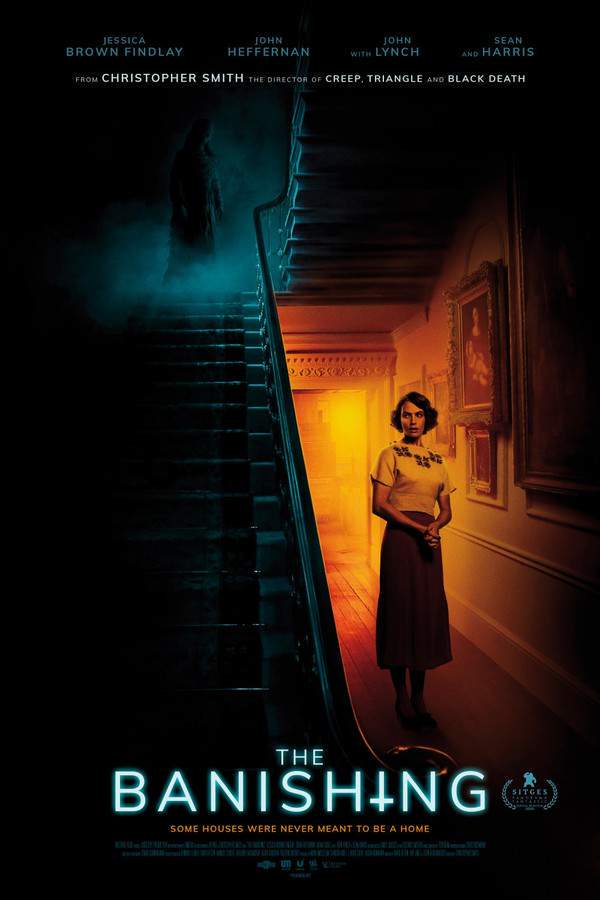
In 1930s England, a reverend and his family settle into a new home, unaware of the dark secrets it holds. As unsettling events unfold, the reverend, Linus, finds his faith challenged and must seek help from an occult specialist. Together, they investigate the escalating disturbances and work to protect his daughter from a powerful, malevolent presence. Their investigation reveals a terrifying history connected to the manor and the sinister events plaguing the family.


Does The Banishing have end credit scenes?
No!
The Banishing does not have end credit scenes. You can leave when the credits roll.
Where to Watch The Banishing
See current US streaming, rental, and purchase options for The Banishing (2021) via JustWatch.

AMC+ Amazon Channel
HD
AMC+ Roku Premium Channel
HD
Philo
HD
Shudder
HD
Shudder Amazon Channel
HD
Shudder Apple TV channel
HD
Hoopla
SD
Amazon Video
SD
Apple TV Store
HD
Fandango At Home
SD
Google Play Movies
SD
YouTube
SD Streaming availability powered by 
Meet the Full Cast and Actors of The Banishing
Explore the complete cast of The Banishing, including both lead and supporting actors. Learn who plays each character, discover their past roles and achievements, and find out what makes this ensemble cast stand out in the world of film and television.

Adam Hugill
Frank Peerless

Sean Harris
Harry Reed

John Lynch
Bishop Malachi

Jessica Brown Findlay
Marianne Forster

John Heffernan
Linus Forster

James Swanton
Monk 2
Amy Trigg
Agnes Peerless
Anya McKenna-Bruce
Adelaide Forster
Cokey Falkow
Barman
Jason Thorpe
Dr Sutter
Jean St. Clair
Betsy
Nigel Travis
Burt
Sara Apostolaki
Woman in Rags
Seamus O'Neill
Old Man
External Links and Streaming Options
Discover where to watch The Banishing online, including streaming platforms, rental options, and official sources. Compare reviews, ratings, and in-depth movie information across sites like IMDb, TMDb, Wikipedia or Rotten Tomatoes.










Ratings and Reviews for The Banishing
See how The Banishing is rated across major platforms like IMDb, Metacritic, and TMDb. Compare audience scores and critic reviews to understand where The Banishing stands among top-rated movies in its genre.

The Movie Echo Score
Overall, The Banishing balances strong technical craftsmanship with an uneven narrative that hampers engagement. The film’s direction and production design receive consistent praise for their visual precision, while thematic ambition is acknowledged in its historical framing. However, recurring criticisms highlight an unfocused storyline, underdeveloped characters, and moments of sluggish pacing that undercut suspense. The sensory atmosphere is noted for its chilling touches, though the lack of genuine scares undermines full immersion. In sum, the film’s aesthetic strengths are offset by narrative weaknesses that limit its overall resonance.
The Movie Echo Score Breakdown for The Banishing

Art & Craft
In terms of art and craft, The Banishing exhibits strong visual design and confident direction that elevate its haunted-house framework. Reviewers note sumptuous production design and intentional cinematography choices that lend an understated gothic elegance. Individual scenes benefit from deliberate shot composition and visual trickery, resulting in moments of genuine intrigue. Even critics finding the narrative wanting acknowledge the film’s high-caliber editing and atmospheric set pieces. Overall, the technical workmanship stands out as one of the film’s most consistent assets.

Character & Emotion
When it comes to character and emotion, The Banishing offers serviceable performances that convey basic empathy but often lack deeper nuance. Some critics praise individual actors for committed portrayals, yet many viewers find the roles underwritten and the emotional arcs insufficiently developed. Interpersonal chemistry fluctuates, with a few scenes hinting at genuine connection that seldom sustains momentum. As a result, the emotional impact remains muted. The characters’ limited depth diminishes the film’s ability to foster lasting engagement.

Story & Flow
Regarding story and flow, The Banishing presents a blend of thematic ambition and evident structural shortcomings. Some commentary recognizes its complex script and historical underpinnings, but many reviews describe the plot as unfocused and predictable. Exposition choices and pacing inconsistencies undermine narrative coherence, while repeated references to standard haunted-house conventions limit originality. Moments of building dread are offset by baffling plot detours and half-baked developments. Consequently, the storytelling falls short of its conceptual potential, leading to mixed engagement.

Sensory Experience
In sensory terms, The Banishing delivers an evocative atmosphere through calculated sound design and a restrained, chilly score. Reviewers highlight its capacity to sustain a brooding mood with minimal jump scares, allowing dread to accumulate organically. The visual style, marked by muted color palettes and selective ghostly apparitions, reinforces a gothic sensibility. However, some viewers feel the film’s suspense remains underdeveloped, with few genuinely startling moments. Overall, the sensory experience is intriguing yet occasionally undermined by a lack of sustained terror.

Rewatch Factor
Concerning rewatch value, The Banishing offers intermittent visual and thematic elements that merit a second viewing, but its uneven narrative and subdued tension limit its lasting appeal. While certain production details and symbolic motifs may reveal additional layers on repeat viewings, the film’s predictable story beats and underutilized character dynamics detract from renewed engagement. The atmospheric qualities encourage interest in the visual composition, but the overarching lack of suspense reduces incentives for return visits. As a result, its replay potential remains modest.

48
Metascore
tbd
User Score


65%
TOMATOMETER

27%
User Score

4.5 /10
IMDb Rating

52
%
User Score

2.4
Take the Ultimate The Banishing Movie Quiz
Challenge your knowledge of The Banishing with this fun and interactive movie quiz. Test yourself on key plot points, iconic characters, hidden details, and memorable moments to see how well you really know the film.
The Banishing Quiz: Test your knowledge about the chilling events at Morley Hall.
What year does the main story of The Banishing take place?
Full Plot Summary and Ending Explained for The Banishing
Read the complete plot summary of The Banishing, including all major events, twists, and the full ending explained in detail. Explore key characters, themes, hidden meanings, and everything you need to understand the story from beginning to end.
In the charming English countryside during the year 1935, a tragic event unfolded within the imposing confines of Morley Hall. The local vicar, overcome by jealousy and driven into madness, brutally ended the life of his wife before taking his own. In the wake of this horrific act, Bishop Malachi colluded with the town’s physician to cover up the incident, silencing the whispers that erupted among the townsfolk.
Years later, a new vicar, Linus Forster, arrived at Morley Hall with his young bride, Marianne, and her mysterious daughter, Adelaide. Unbeknownst to Linus, Adelaide was shrouded in secrecy as she pretended to be her niece, all while concealing her own hidden truths. As the newlyweds started their life together, their relationship experienced strain, largely due to Linus’s internal battle with intimacy, which he perceived as a sinful indulgence.
As they began acclimating to their new surroundings, ominous and strange occurrences plagued Morley Hall. Adelaide became embroiled in a series of supernatural events, engaging with invisible presences and playing with eerie dolls fashioned after monks. The mirrors of the estate played tricks on their reflections, while Marianne began experiencing unsettling visions of shadowy figures and precognition that hinted at a violent end for their deaf housekeeper, Betsy.
During this turmoil, the occultist Harry Reed, who was well-acquainted with the sinister history of Morley Hall, approached Linus with a foreboding warning. He revealed that the estate once served as a home for the Minassian Order, where members carried out cruel rituals and unrelenting punishments for those they deemed sinners. Bishop Malachi, however, vehemently opposed Harry’s meddling, openly threatening him and displaying dubious affiliations.
As tensions escalated, Marianne became increasingly captivated by Harry, who, despite his own wounds, remained undeterred in his pursuit of the truth. He warned her that Morley Hall would ultimately turn its inhabitants against one another and urged her family to escape for their own safety. However, Linus became consumed with unraveling the mystery surrounding his predecessor’s death, only to unearth Bishop Malachi’s web of deceit: that the former vicar and his family had supposedly moved to Australia.
This shocking revelation ignited a fierce argument between Linus and Marianne, exacerbated by his discovery of her secret meetings with Harry. The following day, an unsettling visit from Bishop Malachi ensued, as he revealed himself as Adelaide’s true guardian, having orchestrated Marianne’s introduction to Linus and their appointment at Morley Hall. He threatened to reclaim Adelaide if Marianne ever considered leaving the estate.
As the dynamic between Marianne and Adelaide grew increasingly tumultuous, the young girl’s interactions with an unseen force she claimed as her real mother took a menacing turn. Adelaide’s sudden disappearance after wandering into a mirror left Marianne desperately seeking answers, only to be dismissed by Linus, who was inebriated. At this juncture, Harry agreed to assist Marianne in her urgent search, leading them back to the ominous house where they stumbled upon a grotesque revelation: Betsy’s bloody corpse, viciously slain by Linus, who appeared entranced, eerily mirroring the harrowing visions that had plagued Marianne.
This grim discovery triggered a plea for help from Harry, who explained that Adelaide had been abducted by the vengeful spirit of a slain pregnant woman, a victim of the Minassian monks’ brutal efforts to erase the unborn child. As Marianne intensified her mission to recover her ward, she found herself confronting the dark forces that haunted the estate through a disturbing series of visions that unearthed long-buried secrets from her own flawed past.
Amid the chaos, Marianne discovered comfort in Linus’ support as he employed ancient rituals and mystical texts to help her retrieve Adelaide and face the wrathful spirits. As the stakes heightened, Marianne’s resolve surged, culminating in a heart-wrenching promise to the murdered woman: that she and the unborn child would receive a proper burial.
In a chilling climax, Bishop Malachi was seen exhuming bodies and delivering them to Nazi officials in Stuttgart, leaving Marianne and the audience with an overwhelming sense of dread as the full extent of the estate’s sinister history was finally revealed.

Coming soon on iOS and Android
The Plot Explained Mobile App
From blockbusters to hidden gems — dive into movie stories anytime, anywhere. Save your favorites, discover plots faster, and never miss a twist again.
Sign up to be the first to know when we launch. Your email stays private — always.
Explore the mobile appWatch Trailers, Clips & Behind-the-Scenes for The Banishing
Watch official trailers, exclusive clips, cast interviews, and behind-the-scenes footage from The Banishing. Dive deeper into the making of the film, its standout moments, and key production insights.
Cars Featured in The Banishing
Explore all cars featured in The Banishing, including their makes, models, scenes they appear in, and their significance to the plot. A must-read for car enthusiasts and movie buffs alike.
The Banishing Themes and Keywords
Discover the central themes, ideas, and keywords that define the movie’s story, tone, and message. Analyze the film’s deeper meanings, genre influences, and recurring concepts.
The Banishing Other Names and Titles
Explore the various alternative titles, translations, and other names used for The Banishing across different regions and languages. Understand how the film is marketed and recognized worldwide.
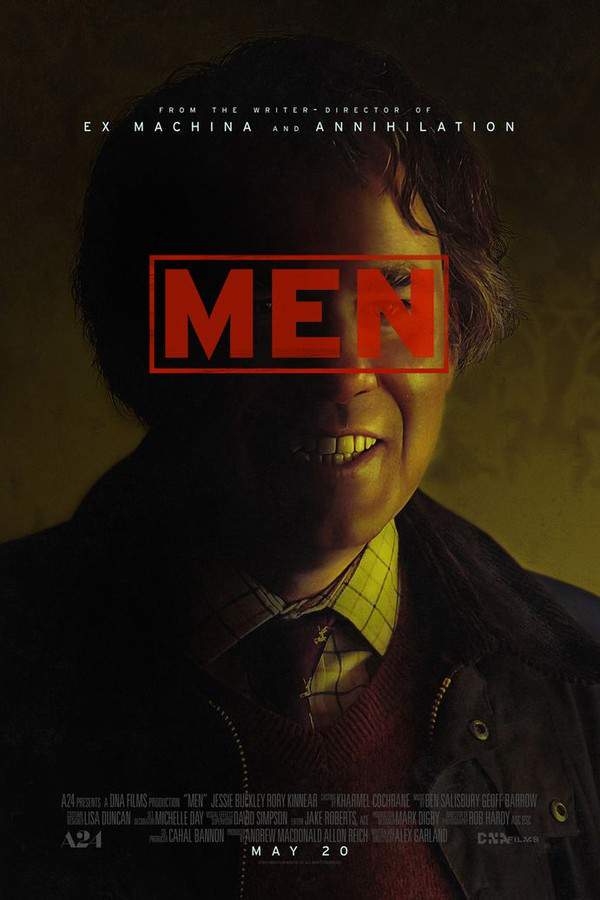
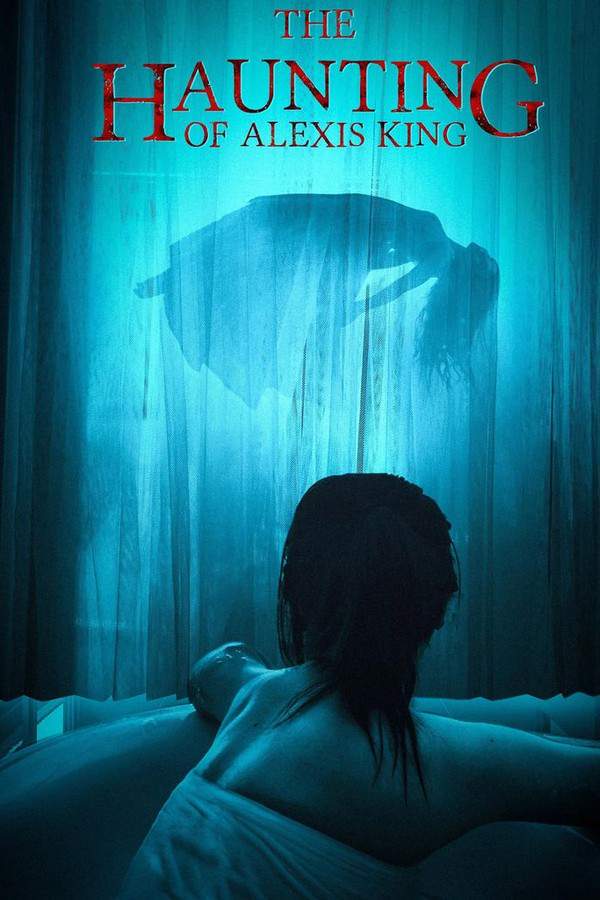
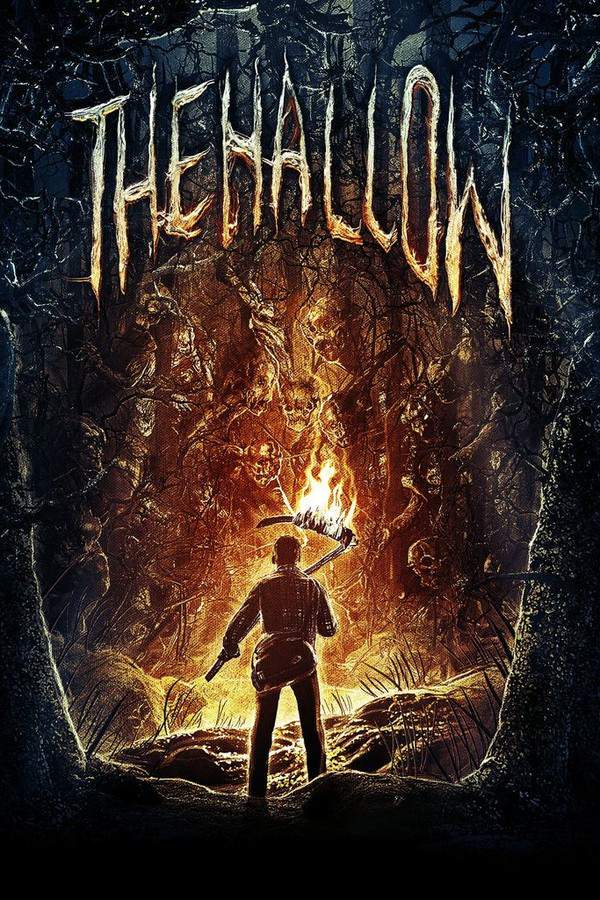
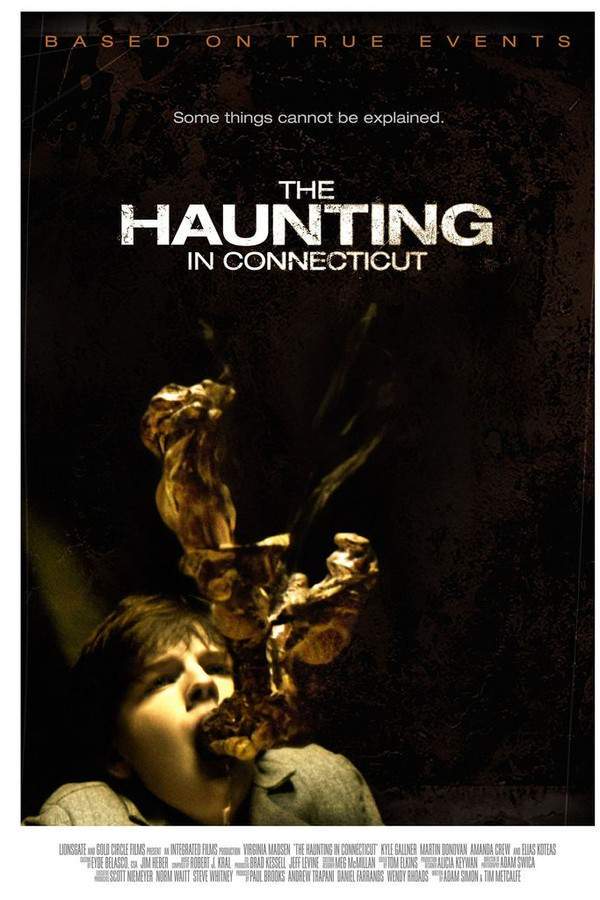
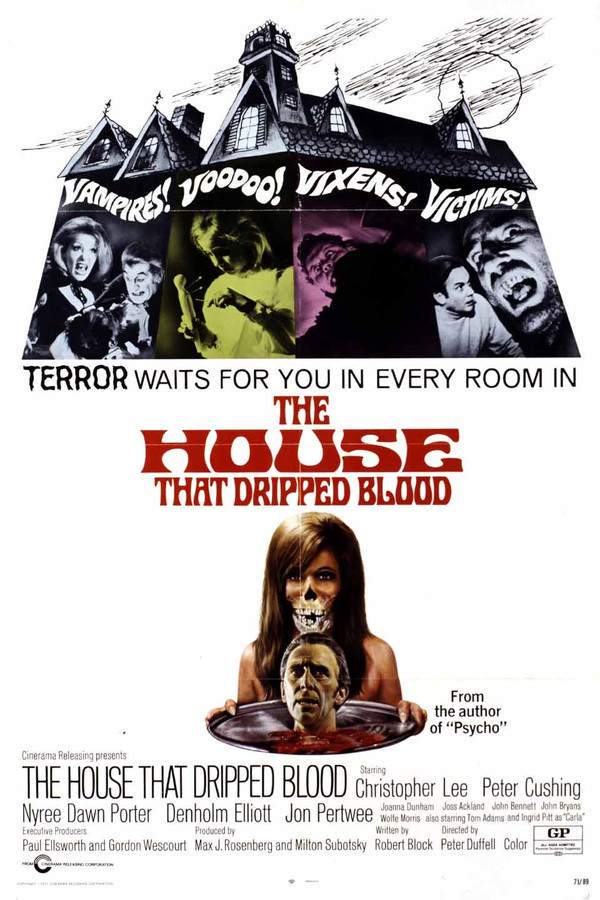
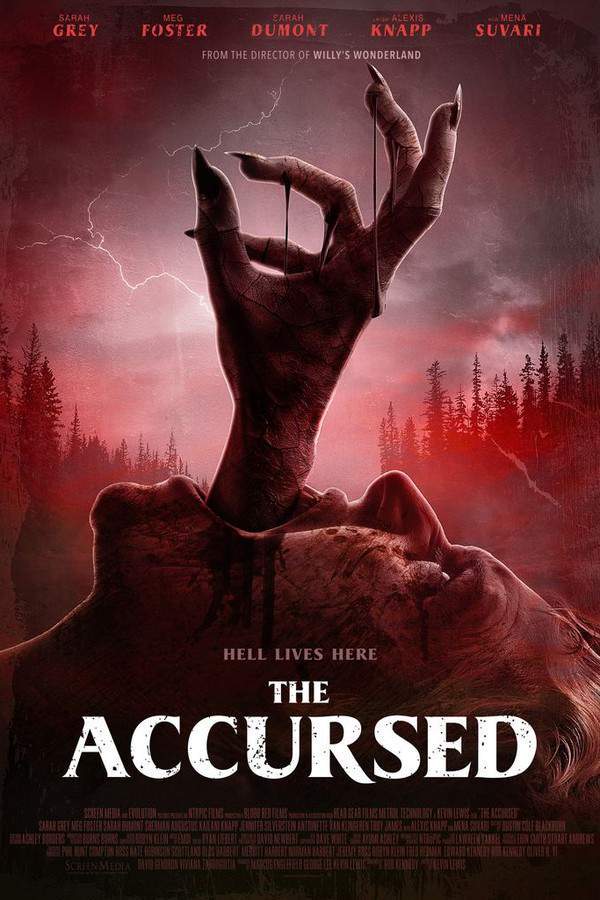
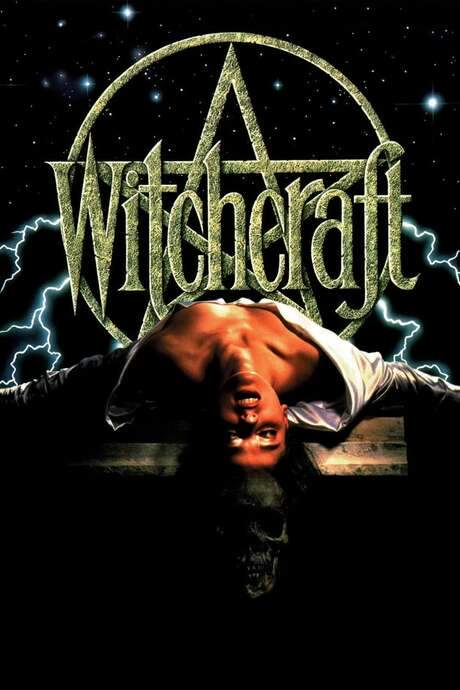
Similar Movies To The Banishing You Should Know About
Browse a curated list of movies similar in genre, tone, characters, or story structure. Discover new titles like the one you're watching, perfect for fans of related plots, vibes, or cinematic styles.



Quick Links: Summary, Cast, Ratings, More

What's After the Movie?
Not sure whether to stay after the credits? Find out!
Check out our other apps:

SAT Sphere
Build confidence for the Digital SAT.

Mori Atlas
Discover wild places worth protecting.

Luntero
Search smarter for a home in Amsterdam.

Plot Explained
Unravel movie endings and hidden clues.

Pokechamp
Dive into Pokémon data and battle logic.

Driving Theory
Get ready for your European theory test.

Movie Dust
Plan your next cinema trip with ease.

Musemap
Find art and culture as you travel.

Selkobase
Compare credentials before committing.

Local Manual
Turn an unfamiliar country into practical next steps.

Lernavi
Compare school systems before your next move.

GymRoam
Find a workout stop wherever your plans take you.
Explore Our Movie Platform
New Movie Releases (2026)
Famous Movie Actors
Top Film Production Studios
Movie Plot Summaries & Endings
Major Movie Awards & Winners
Best Concert Films & Music Documentaries
Movie Collections and Curated Lists
© 2026 What's After the Movie. All rights reserved.
Privacy Policy