The American Ruling Class 2005


An inventive, fictionalized documentary follows editor Lewis Lapham as he guides two Ivy grads into America’s elite, probing how class and wealth shape democracy. The film visits the Pentagon, Manhattan gatherings and other power hubs, where Lapham talks with James Baker III and Walter Cronkite, each offering their view of the ruling class.


Does The American Ruling Class have end credit scenes?
No!
The American Ruling Class does not have end credit scenes. You can leave when the credits roll.
Where to Watch The American Ruling Class
See current US streaming, rental, and purchase options for The American Ruling Class (2005) via JustWatch.






Meet the Full Cast and Actors of The American Ruling Class
Explore the complete cast of The American Ruling Class, including both lead and supporting actors. Learn who plays each character, discover their past roles and achievements, and find out what makes this ensemble cast stand out in the world of film and television.

External Links and Streaming Options
Discover where to watch The American Ruling Class online, including streaming platforms, rental options, and official sources. Compare reviews, ratings, and in-depth movie information across sites like IMDb, TMDb, Wikipedia or Rotten Tomatoes.





Take the Ultimate The American Ruling Class Movie Quiz
Challenge your knowledge of The American Ruling Class with this fun and interactive movie quiz. Test yourself on key plot points, iconic characters, hidden details, and memorable moments to see how well you really know the film.
The American Ruling Class Quiz: Test your knowledge of the 2005 film that examines wealth, power, and personal choice through the lives of two Yale graduates.
Who introduces the film’s opening question about a possible American ruling class?
Full Plot Summary and Ending Explained for The American Ruling Class
Read the complete plot summary of The American Ruling Class, including all major events, twists, and the full ending explained in detail. Explore key characters, themes, hidden meanings, and everything you need to understand the story from beginning to end.
The film opens with Lewis H. Lapham presenting a provocative question about whether America harbors a true ruling class—a circle of wealthy and powerful families that seemingly steer banks, businesses, and government, shaping every facet of national life.
To explore this idea, the movie constructs a fictional scenario surrounding two Yale graduates who come from opposite ends of the economic spectrum. Jack Bellami, heir to a rich family, is unsure what he wants from life but ultimately decides to enter the banking world, choosing a position at Goldman Sachs. He convinces himself that the banking system wields the world’s leverage and that joining it could be the most effective way to influence change from within.
His best friend, Mike Vanzetti, hailing from a middle-class background, aims to alter the world from outside the system. He pursues a career as a writer, moves into a studio apartment, works as a waiter, and steadfastly refuses to pander to the masses or write “lowest-common-denominator” material for a big outlet. Mike’s arc becomes central in the film’s second half, shifting the lens from Jack’s ascent to Mike’s struggle with money, ambition, and the meaning of his craft.
A decisive moment occurs when Jack’s success at Goldman leads him to offer Mike a chance to join the firm—an invitation Mike initially declines. As student-loan bills pile up and his writer’s fire cools, Mike grows resentful of his modest income and the limited impact of his work. Meanwhile, his girlfriend Taylor pushes him to keep pursuing opportunities at the wealthy party circuit, where she hopes the path to influence might lie.
A pivotal encounter follows when Lapham invites Mike on a journey to a place described as “a space that used to be called, in another age of man, Mexico.” The destination turns out to be Texas, where Mike is shown how power brokers shape policy and how money ultimately overrides the efforts of those without wealth to reform society.
Eventually, Mike succumbs to the lure of security and accepts Jack’s offer, trading idealism for a banker’s life. During a visit to Taylor’s mansion, the two reflect on this turning point—Mike reframing his worldview to claim that money is everything and that wealth acts as a shield against the corruption and abuses that the ruling class can wield.
The film then splits into two endings. In the first ending, we see Mike on his first day at the bank, visibly anxious and uneasy as he begins the initiation process and questions the path he has chosen. In response to audience reaction, a second ending was added: Mike’s attention is diverted by a stage show being rehearsed by the lead singer of a band called “THE WHATS?” along with a group of children. The performance underscores the film’s central themes, and the closing image places Mike in the woods, leaving the ultimate fate of his decision—and whether he will stand by his new life or rethink it—deliberately unresolved.
Across its narrative, the film uses Mike and Jack’s contrasting journeys to probe how wealth, influence, and power interlock to shape choices, opportunities, and the very definition of progress, all while maintaining a measured, thought-provoking tone. The ambiguous ending invites viewers to consider where responsibility lies in a society that often rewards financial success over personal conviction, and whether true change can emerge from within or outside the system.

Coming soon on iOS and Android
The Plot Explained Mobile App
From blockbusters to hidden gems — dive into movie stories anytime, anywhere. Save your favorites, discover plots faster, and never miss a twist again.
Sign up to be the first to know when we launch. Your email stays private — always.
Explore the mobile appDiscover Film Music Concerts Near You – Live Orchestras Performing Iconic Movie Soundtracks
Immerse yourself in the magic of cinema with live orchestral performances of your favorite film scores. From sweeping Hollywood blockbusters and animated classics to epic fantasy soundtracks, our curated listings connect you to upcoming film music events worldwide.
Explore concert film screenings paired with full orchestra concerts, read detailed event information, and secure your tickets for unforgettable evenings celebrating legendary composers like John Williams, Hans Zimmer, and more.


The American Ruling Class Themes and Keywords
Discover the central themes, ideas, and keywords that define the movie’s story, tone, and message. Analyze the film’s deeper meanings, genre influences, and recurring concepts.

Unlock the World of Movies with Our Comprehensive Wiki
Dive into our Movie Wiki for in-depth film encyclopedia entries, including cast biographies, production trivia, plot synopses, behind-the-scenes facts, and thematic analyses. Whether you’re researching iconic directors, exploring genre histories, or discovering hidden easter eggs, our expertly curated movie database has everything you need to fuel your cinematic passion.
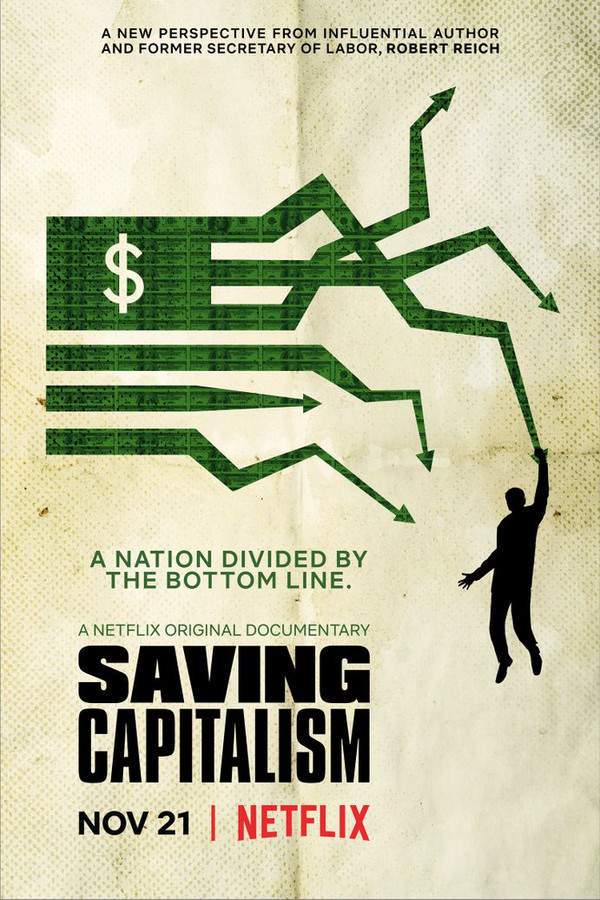
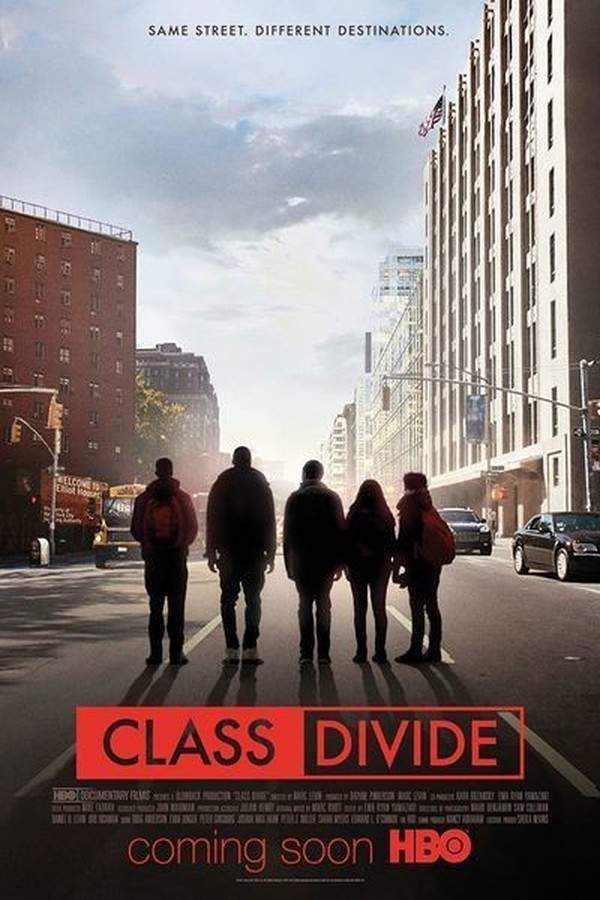
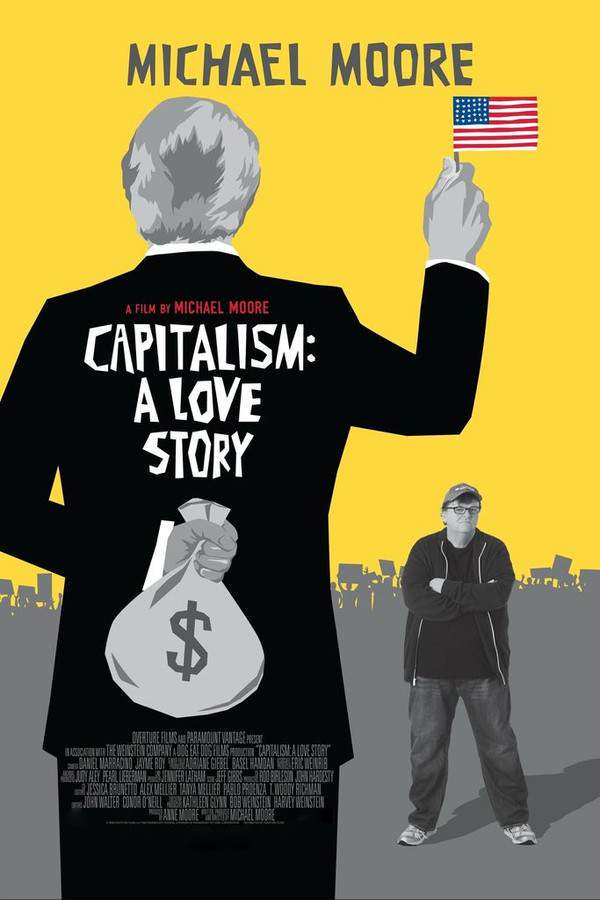
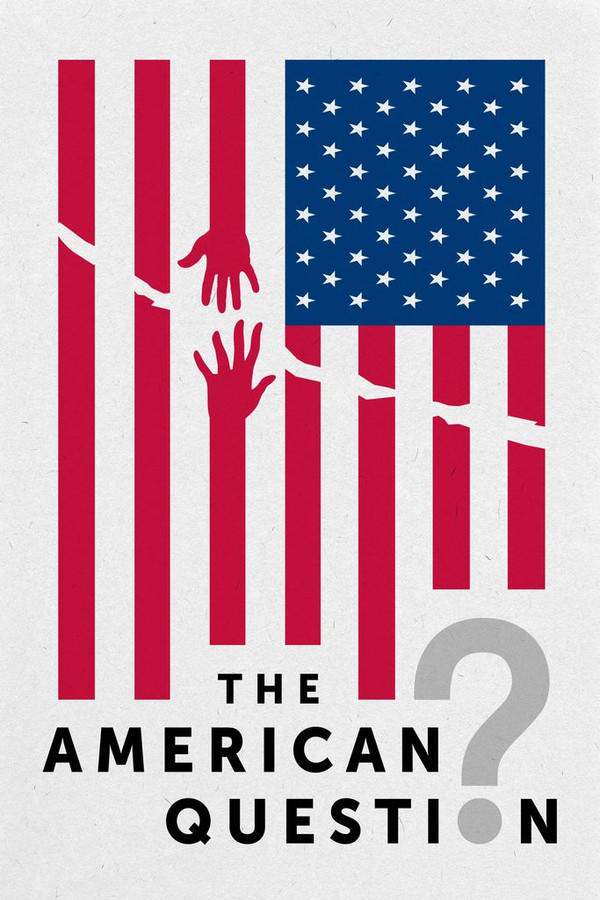
Similar Movies To The American Ruling Class You Should Know About
Browse a curated list of movies similar in genre, tone, characters, or story structure. Discover new titles like the one you're watching, perfect for fans of related plots, vibes, or cinematic styles.






Quick Links: Summary, Cast, Ratings, More

What's After the Movie?
Not sure whether to stay after the credits? Find out!
Check out our other apps:

SAT Sphere
Build confidence for the Digital SAT.

Mori Atlas
Discover wild places worth protecting.

Luntero
Search smarter for a home in Amsterdam.

Plot Explained
Unravel movie endings and hidden clues.

Pokechamp
Dive into Pokémon data and battle logic.

Driving Theory
Get ready for your European theory test.

Movie Dust
Plan your next cinema trip with ease.

Musemap
Find art and culture as you travel.

Selkobase
Compare credentials before committing.

Local Manual
Turn an unfamiliar country into practical next steps.

Lernavi
Compare school systems before your next move.

GymRoam
Find a workout stop wherever your plans take you.
Explore Our Movie Platform
New Movie Releases (2026)
Famous Movie Actors
Top Film Production Studios
Movie Plot Summaries & Endings
Major Movie Awards & Winners
Best Concert Films & Music Documentaries
Movie Collections and Curated Lists
© 2026 What's After the Movie. All rights reserved.
Privacy Policy