Tapped Out 2014


A teenager, struggling with loss, is ordered to perform community service at a neglected Karate school. To confront the person responsible for his parents' death, he unexpectedly enters a mixed martial arts tournament, forcing him to find strength and resilience in the face of adversity.


Does Tapped Out have end credit scenes?
No!
Tapped Out does not have end credit scenes. You can leave when the credits roll.
Meet the Full Cast and Actors of Tapped Out
Explore the complete cast of Tapped Out, including both lead and supporting actors. Learn who plays each character, discover their past roles and achievements, and find out what makes this ensemble cast stand out in the world of film and television.

Michael Biehn
Reggie

Jess Brown
Jen

Daniel Faraldo
Lou
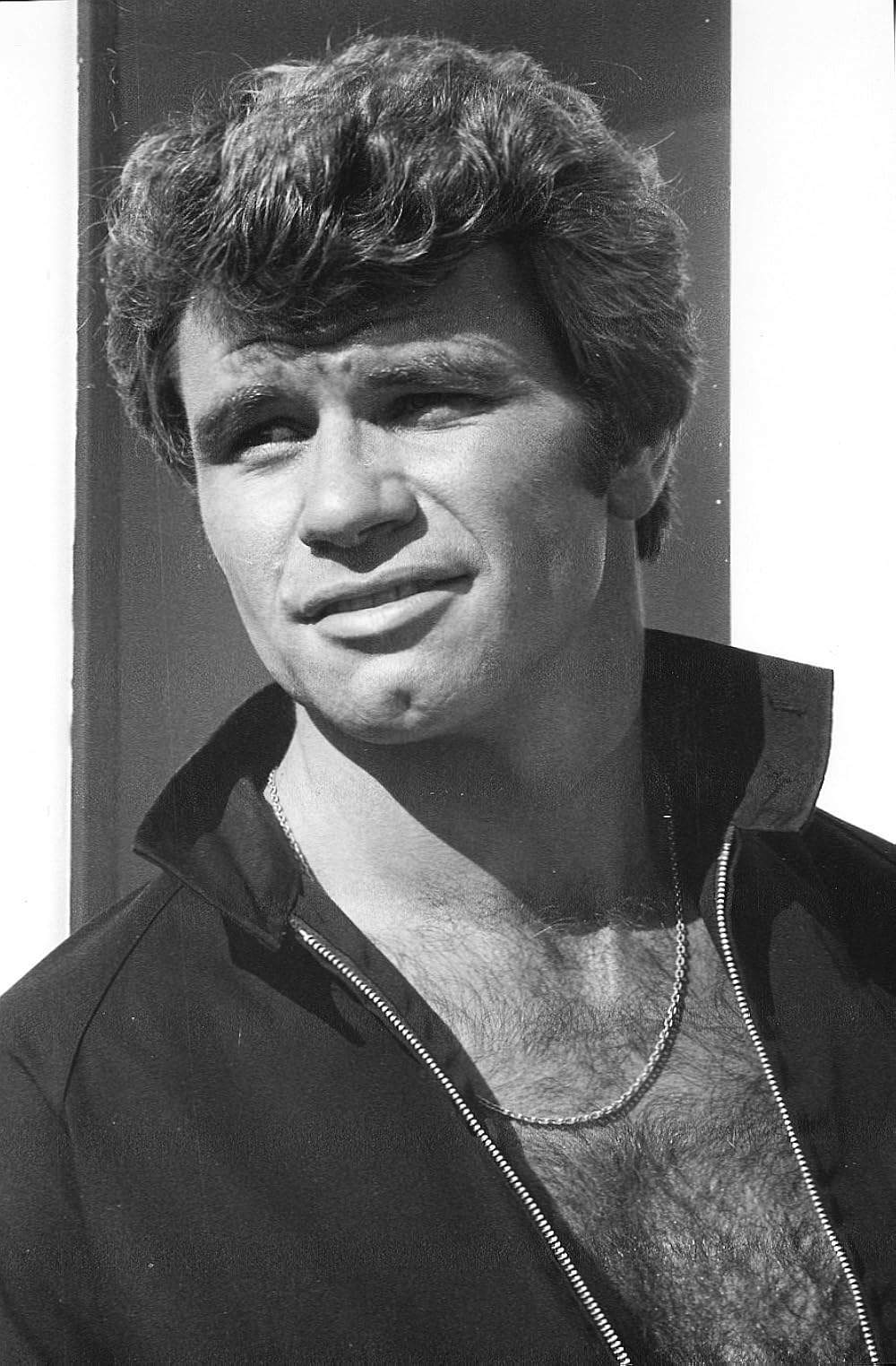
Martin Kove
Principal Vanhorne
Alys Crocker
Kristy
Colin Paradine
Phil Shaw
Anderson Silva
Anderson
Christina Aceto
Waitress (as Christina Anne Aceto)
Tom Bolton
Len Riley
Cody Hackman
Michael Shaw
Lyoto Machida
Lyoto
Krzysztof Soszynski
Dominic Gray
Nick Bateman
Matt Cockburn
Anne-Marie Caicco
Teacher
Emilio Chino Ramirez
Chino
Chris Clements
Machida Sparring Partner
Jerry A. Ziler
Cage Security Guard / Bouncer
Jodi Haynes
Britney
Craig Henry
Cage Fighter
Marie Jeannette
Sofa Girl
Kat Krawczuk
Cashier
Stu Landry
Jimmy D
Yves Lavigne
Referee
Kelly-Marie Murtha
Carol Shaw
Megan Schroder
Jen's Friend
Sam Stout
Sam
Tyler Williams
Dojo Fighter
Tim Ajro
Fighter
Xavier Wehrli
Kid
External Links and Streaming Options
Discover where to watch Tapped Out online, including streaming platforms, rental options, and official sources. Compare reviews, ratings, and in-depth movie information across sites like IMDb, TMDb, Wikipedia or Rotten Tomatoes.






Take the Ultimate Tapped Out Movie Quiz
Challenge your knowledge of Tapped Out with this fun and interactive movie quiz. Test yourself on key plot points, iconic characters, hidden details, and memorable moments to see how well you really know the film.
Tapped Out Quiz: Test your knowledge of the 2014 film Tapped Out.
What martial art did Michael excel at as a child?
Full Plot Summary and Ending Explained for Tapped Out
Read the complete plot summary of Tapped Out, including all major events, twists, and the full ending explained in detail. Explore key characters, themes, hidden meanings, and everything you need to understand the story from beginning to end.
At age twelve, Michael Shaw is a prodigy in karate, already earning a brown belt and showing a natural flair for speed and precision. On a ride home with his parents after a training session, their car is halted at gunpoint by two armed carjackers. In the chaos, one of the men fatally shoots Michael’s parents before the others drive away and vanish into the night. Hidden in the back seat, Michael witnesses the brutal moment and spots a distinctive tattoo on the neck of the killer, a clue that will haunt him years later. When the carjackers eventually depart, Michael slips away as well, shaken but alive, carrying that memory and the tattoo as a cold spark of revenge he does not yet understand.
Seven years pass, and the once-promising child fighter has become a troubled teenager living with his grandfather. A party misstep lands him in trouble, and his community service lands him at a run-down karate school owned by Reggie Monroe Reggie Monroe, a friend of his late father who keeps the place running with stubborn grit. At first, Michael is only focused on meeting the hours required to complete his sentence, but the air around the dojo begins to rekindle a spark he thought had burned out. The clang of boards and the discipline of training rub him the wrong way at first, but the old routines and the steady rhythm of practice start to pull him back toward a discipline he once loved.
There, he meets Reggie’s niece, Jen Monroe, a fan of Mixed Martial Arts who sees something in Michael that she’s drawn to—a shared history and a shared longing for purpose. Their chemistry grows quickly, and Jen invites him to a local MMA fight, inviting him to peek into a world that’s both brutal and beautiful. Jen asks Michael to keep their budding interest quiet from Reggie, who doesn’t approve of the sport as a path for his students. Still, the spark between Michael and Jen deepens as they spend time together, and Michael’s curiosity about the sport grows into something deeper: a plan to hit back at the man who shattered his family.
During the event, Michael recognizes a fighter—Dominic Grey Dominic Grey—as the very man responsible for his parents’ murder seven years earlier. The guilt, anger, and sense of unfinished business surge back in a storm of emotion. He tries first to escalate matters through the proper channels, but lacks proof to push the case forward. He then tries to enter the local MMA circuit to face Grey in the ring, hoping that revenge will come in the form of a definitive victory. When promoter Lou Lou refuses him entry to the circuit, Michael’s path to vengeance seems blocked by systems that require evidence and influence, not raw emotion.
Desperate, Michael follows Grey to his home and even contemplates a direct, lethal confrontation with a gun. Yet something keeps him from crossing that line. He returns to the police, offering Grey’s address again, hoping that the truth can bring closure without more bloodshed. A detective who once worked the original case takes a closer look at Michael’s statements and chooses to reopen the investigation, signaling a shift in the narrative from private vendetta to public reparation.
Around this time, Michael receives an unexpected chance to channel his fury through training rather than through reckless acts. He accepts Reggie’s earlier offer to learn properly, but he keeps his aim hidden: he wants to fight Grey in the arena to settle the score once and for all. Reggie agrees to mentor him the way a coach would, guiding him through the nuances of technique, timing, and control. To aid in his preparation, Reggie calls in friends who bring real-world experience to the dojo: Anderson Silva and Lyoto Machida, two martial artists whose styles complement Reggie’s coaching. Their presence elevates Michael’s training beyond the basics, pushing him to develop a broader arsenal and a sharper strategic mind. As Michael dedicates himself to the craft, he and Jen Monroe grow closer, their relationship strengthening as they share the personal stakes of his mission.
The night before the tournament, Reggie presents Michael with a symbolic black belt, a reminder of the path his father had believed him capable of following. The belt becomes a touchstone for Michael—a link to his father’s memory and a motivator to honor his family by fighting with discipline rather than letting rage dictate his moves.
The tournament itself becomes a crucible. Michael navigates a series of qualifiers with a blend of speed, precision, and the learned grace of karate that he has cultivated under Reggie’s tutelage and his friends’ guidance. He advances, moving closer to the final fight where he will encounter Dominic Grey in a direct confrontation that carries the weight of seven years of memory and a lifetime of loss. Grey, aware of the public spectacle before him, challenges Michael with taunts and bravado, attempting to provoke a fall from grace or a slip in technique.
As the final round unfolds, Grey dominates with brute power and a sneer in his voice, boasting that he will defeat Michael. In response, Michael speaks to the crowd and, in a moment of vulnerability and truth, hints at the crime that haunted him—an admission that Grey stands accused of murder, a reveal aimed at destabilizing Grey’s composure. In the ring, Grey uses every advantage, forcing Michael into a desperate struggle. In a climactic sequence, Grey traps Michael in a chokehold that seems to seal the young man’s fate. In that pivotal moment, Michael conjures a second wind, aided by the memory of his parents appearing in the crowd—an emotional surge that bolsters his resolve and technique.
What follows is a sustained showcase of karate mastery. Michael unleashes a torrent of precise strikes, countering Grey’s power with speed, timing, and a deep reservoir of training. The turning point comes when the arena’s momentum shifts, and Grey’s own plan to end the fight by making it look like an accident backfires. Michael’s training and restraint come to the fore; he resists the urge to deliver a lethal finish. Instead, he secures victory by breaking Grey’s leg, a decisive and mercifully non-lethal end that preserves Grey’s life while sending a powerful message about control and consequence.
With the tournament won, Michael receives the prize money—$50,000—but he chooses to give it to Reggie as a token of gratitude, recognizing that the money is not his alone but a return on the personal risk and mentorship that saved him. Grey’s humiliation in the aftermath is pronounced, and a newspaper article later reports that Grey confessed to the murder of Michael’s parents, cementing a public reckoning for the crime.
In the quiet aftermath, Michael and his grandfather visit the graves of his parents, where he places his black belt as a symbol of memory and honor. The grandfather’s closing wisdom—that Michael’s parents would be proud of him—echoes as a quiet testament to perseverance, responsibility, and the healing power of dedicated craft. The dojo thrives again under Reggie’s leadership, the memory of the old tragedy reframed through discipline, community, and a vow to channel pain into skill rather than vengeance.

Coming soon on iOS and Android
The Plot Explained Mobile App
From blockbusters to hidden gems — dive into movie stories anytime, anywhere. Save your favorites, discover plots faster, and never miss a twist again.
Sign up to be the first to know when we launch. Your email stays private — always.
Explore the mobile appDiscover Film Music Concerts Near You – Live Orchestras Performing Iconic Movie Soundtracks
Immerse yourself in the magic of cinema with live orchestral performances of your favorite film scores. From sweeping Hollywood blockbusters and animated classics to epic fantasy soundtracks, our curated listings connect you to upcoming film music events worldwide.
Explore concert film screenings paired with full orchestra concerts, read detailed event information, and secure your tickets for unforgettable evenings celebrating legendary composers like John Williams, Hans Zimmer, and more.


Tapped Out Other Names and Titles
Explore the various alternative titles, translations, and other names used for Tapped Out across different regions and languages. Understand how the film is marketed and recognized worldwide.
Quick Links: Summary, Cast, Ratings, More

What's After the Movie?
Not sure whether to stay after the credits? Find out!
Check out our other apps:

SAT Sphere
Build confidence for the Digital SAT.

Mori Atlas
Discover wild places worth protecting.

Luntero
Search smarter for a home in Amsterdam.

Plot Explained
Unravel movie endings and hidden clues.

Pokechamp
Dive into Pokémon data and battle logic.

Driving Theory
Get ready for your European theory test.

Movie Dust
Plan your next cinema trip with ease.

Musemap
Find art and culture as you travel.

Selkobase
Compare credentials before committing.

Local Manual
Turn an unfamiliar country into practical next steps.

Lernavi
Compare school systems before your next move.

GymRoam
Find a workout stop wherever your plans take you.
Explore Our Movie Platform
New Movie Releases (2026)
Famous Movie Actors
Top Film Production Studios
Movie Plot Summaries & Endings
Major Movie Awards & Winners
Best Concert Films & Music Documentaries
Movie Collections and Curated Lists
© 2026 What's After the Movie. All rights reserved.
Privacy Policy