RKO 281 1999


What appeared on screen was eclipsed by the drama behind it. In 1939, prodigious young Orson Welles, already a radio and theater sensation in New York, is recruited by RKO Pictures and heads to Hollywood to helm his very first feature film, setting the stage for a legendary, tumultuous production.


Does RKO 281 have end credit scenes?
No!
RKO 281 does not have end credit scenes. You can leave when the credits roll.
Meet the Full Cast and Actors of RKO 281
Explore the complete cast of RKO 281, including both lead and supporting actors. Learn who plays each character, discover their past roles and achievements, and find out what makes this ensemble cast stand out in the world of film and television.

James Cromwell
William Randolph Hearst
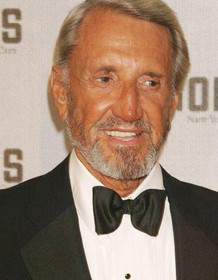
Roy Scheider
George Schaefer

Liev Schreiber
Orson Welles

Brenda Blethyn
Louella Parsons

Liam Cunningham
Gregg Toland

Melanie Griffith
Marion Davies

Kerry Shale
Bernard Herrmann

Fiona Shaw
Hedda Hopper
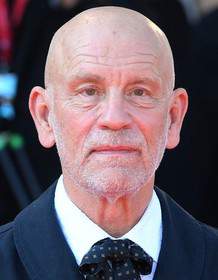
John Malkovich
Herman Mankiewicz

Roger Allam
Walt Disney

Angus Wright
Joseph Cotten
Adrian Schiller
Paul Stewart
Tim Woodward
Jack Warner
Tusse Silberg
Welles' Mother
Anastasia Hille
Carole Lombard
David Suchet
Louis B. Mayer
Cyril Shaps
Jeweller
Jay Benedict
Darryl Zanuck
Joseph Long
Harry Cohn
Roger Rose
News Reader
Rolf Saxon
Flunkie #1
Briony Glassco
Script Girl
Michael Cronin
Joseph Willicombe
Gareth Marks
Top Brass #1
Paul Birchard
Top Brass #2
Toby Whithouse
Sound Technician
Louis Hammond
Flunkie #2
Aaron Keeling
Young Orson Welles
William Armstrong
Mr. Lewis
Neil Conrich
Mr. Thomson
Ron Berglas
David O. Selznick
Simeon Andrews
John Houseman
Olivier Pierre
Sam Goldwyn
Sarah Franzl
Dorothy Comingore
Bobby Valentino
Clark Gable
External Links and Streaming Options
Discover where to watch RKO 281 online, including streaming platforms, rental options, and official sources. Compare reviews, ratings, and in-depth movie information across sites like IMDb, TMDb, Wikipedia or Rotten Tomatoes.







Take the Ultimate RKO 281 Movie Quiz
Challenge your knowledge of RKO 281 with this fun and interactive movie quiz. Test yourself on key plot points, iconic characters, hidden details, and memorable moments to see how well you really know the film.
RKO 281: A behind‑the‑scenes look at the making of Citizen Kane, focusing on the clash between Orson Welles, Herman J. Mankiewicz and George J. Schaefer, the opposition of William Randolph Hearst, and the role of gossip columnist Hedda Hopper.
Which three individuals are credited with shaping the screenplay of Citizen Kane in the film?
Full Plot Summary and Ending Explained for RKO 281
Read the complete plot summary of RKO 281, including all major events, twists, and the full ending explained in detail. Explore key characters, themes, hidden meanings, and everything you need to understand the story from beginning to end.
In 1940, Orson Welles, George J. Schaefer, and Herman J. Mankiewicz labor to shape what will be celebrated as the greatest American film, Citizen Kane. The story unfolds as Welles and William Randolph Hearst, a powerhouse publisher, attend a party at Hearst Castle. It is there that the charismatic yet hypocritical, tyrannical figure of Hearst sparks the core idea for a film that would pull back the curtain on his life. The ambition is immense, and the three men—Welles, Schaefer, and Mankiewicz—feel the weight of a project that could redefine cinema. The lure of a bold, behind-the-scenes look at a real magnate drives Welles to push forward, even as Mankiewicz worries about the wrath Hearst could unleash if the project veers too close to truth.
At the outset, Welles is eager to claim credit for nearly everything, including the script, and this stance creates a rift with Mankiewicz, who sees the risk in such a solitary claim. The clash is sharp: Welles insists on his prerogative, and the two men cut ties as tensions mount. Yet the situation evolves as Welles reassesses his approach and reaches out to Mankiewicz, inviting him to stay on and continue redrafting the screenplay, which effectively grants them joint credit in the end. The relationship that had been a source of creative energy becomes strained, but the core idea endures, shaping the film’s voice and structure even as the behind‑the‑scenes battles intensify.
The drama intensifies when the gossip columnist Hedda Hopper, who had seen an early press screening, reveals to the public that Welles’ project is not a mere biography but a thinly veiled and highly unflattering portrait of Hearst. This revelation empowers Hearst to wield his substantial influence to try to block the film’s release. Hopper’s watching eye and Hearst’s power create a chilling dynamic: the studio faces serious pressure, and the film’s fate hangs in the balance. Amid this pressure, Hearst’s mistress, Marion Davies, endures the indignity of a life put under the microscope as the project’s flames threaten to scorch personal reputations. Davies, in a striking turn of pragmatism, provides financial help to Hearst when his resources dwindle, selling off valuables and tendering funds in the form of a check to steady the spiraling fortunes of the moment. The personal and political entanglements deepen, underscoring how fragile the path to release can be when a single life becomes the movie’s central mirror.
With the film’s release repeatedly delayed by harassment and the fracturing of the Welles–Mankiewicz collaboration, the process also deals a serious blow to George J. Schaefer and the studio leadership. The public pushback, the strategic suppression of publicity, and the resulting tepid box office all contribute to a climate of caution around the project. Yet, despite these heavy headwinds, the film eventually reaches theaters. The release is muted, its promotion restrained by Hearst’s ban on mentions across his publications, which casts a pall over the film’s initial commercial performance. Still, the work maintains its power and resonance, preserving the momentum that brought it to light in the first place.
In the end, the creator’s conviction stands tall. Orson Welles emerges with the satisfaction of having brought to life a work that reshaped storytelling and cinematic language. Citizen Kane earns its place among the most critically acclaimed films in cinema history, a testament to daring artistry under immense pressure. The journey—from a party at a castle to a groundbreaking screen achievement—becomes a testament to enduring ambition, creative resilience, and the complicated interplay of art, power, and reputation.

Coming soon on iOS and Android
The Plot Explained Mobile App
From blockbusters to hidden gems — dive into movie stories anytime, anywhere. Save your favorites, discover plots faster, and never miss a twist again.
Sign up to be the first to know when we launch. Your email stays private — always.
Explore the mobile appDiscover Film Music Concerts Near You – Live Orchestras Performing Iconic Movie Soundtracks
Immerse yourself in the magic of cinema with live orchestral performances of your favorite film scores. From sweeping Hollywood blockbusters and animated classics to epic fantasy soundtracks, our curated listings connect you to upcoming film music events worldwide.
Explore concert film screenings paired with full orchestra concerts, read detailed event information, and secure your tickets for unforgettable evenings celebrating legendary composers like John Williams, Hans Zimmer, and more.


Cars Featured in RKO 281
Explore all cars featured in RKO 281, including their makes, models, scenes they appear in, and their significance to the plot. A must-read for car enthusiasts and movie buffs alike.
RKO 281 Themes and Keywords
Discover the central themes, ideas, and keywords that define the movie’s story, tone, and message. Analyze the film’s deeper meanings, genre influences, and recurring concepts.
RKO 281 Other Names and Titles
Explore the various alternative titles, translations, and other names used for RKO 281 across different regions and languages. Understand how the film is marketed and recognized worldwide.
Similar Movies To RKO 281 You Should Know About
Browse a curated list of movies similar in genre, tone, characters, or story structure. Discover new titles like the one you're watching, perfect for fans of related plots, vibes, or cinematic styles.



Quick Links: Summary, Cast, Ratings, More

What's After the Movie?
Not sure whether to stay after the credits? Find out!
Check out our other apps:

SAT Sphere
Build confidence for the Digital SAT.

Mori Atlas
Discover wild places worth protecting.

Luntero
Search smarter for a home in Amsterdam.

Plot Explained
Unravel movie endings and hidden clues.

Pokechamp
Dive into Pokémon data and battle logic.

Driving Theory
Get ready for your European theory test.

Movie Dust
Plan your next cinema trip with ease.

Musemap
Find art and culture as you travel.

Selkobase
Compare credentials before committing.

Local Manual
Turn an unfamiliar country into practical next steps.

Lernavi
Compare school systems before your next move.

GymRoam
Find a workout stop wherever your plans take you.
Explore Our Movie Platform
New Movie Releases (2026)
Famous Movie Actors
Top Film Production Studios
Movie Plot Summaries & Endings
Major Movie Awards & Winners
Best Concert Films & Music Documentaries
Movie Collections and Curated Lists
© 2026 What's After the Movie. All rights reserved.
Privacy Policy