Ramayana: The Epic 2010


The film is a retelling of the story of Lord Rama, from his birth until his battle with Ravan at Sri Lanka.


Does Ramayana: The Epic have end credit scenes?
No!
Ramayana: The Epic does not have end credit scenes. You can leave when the credits roll.
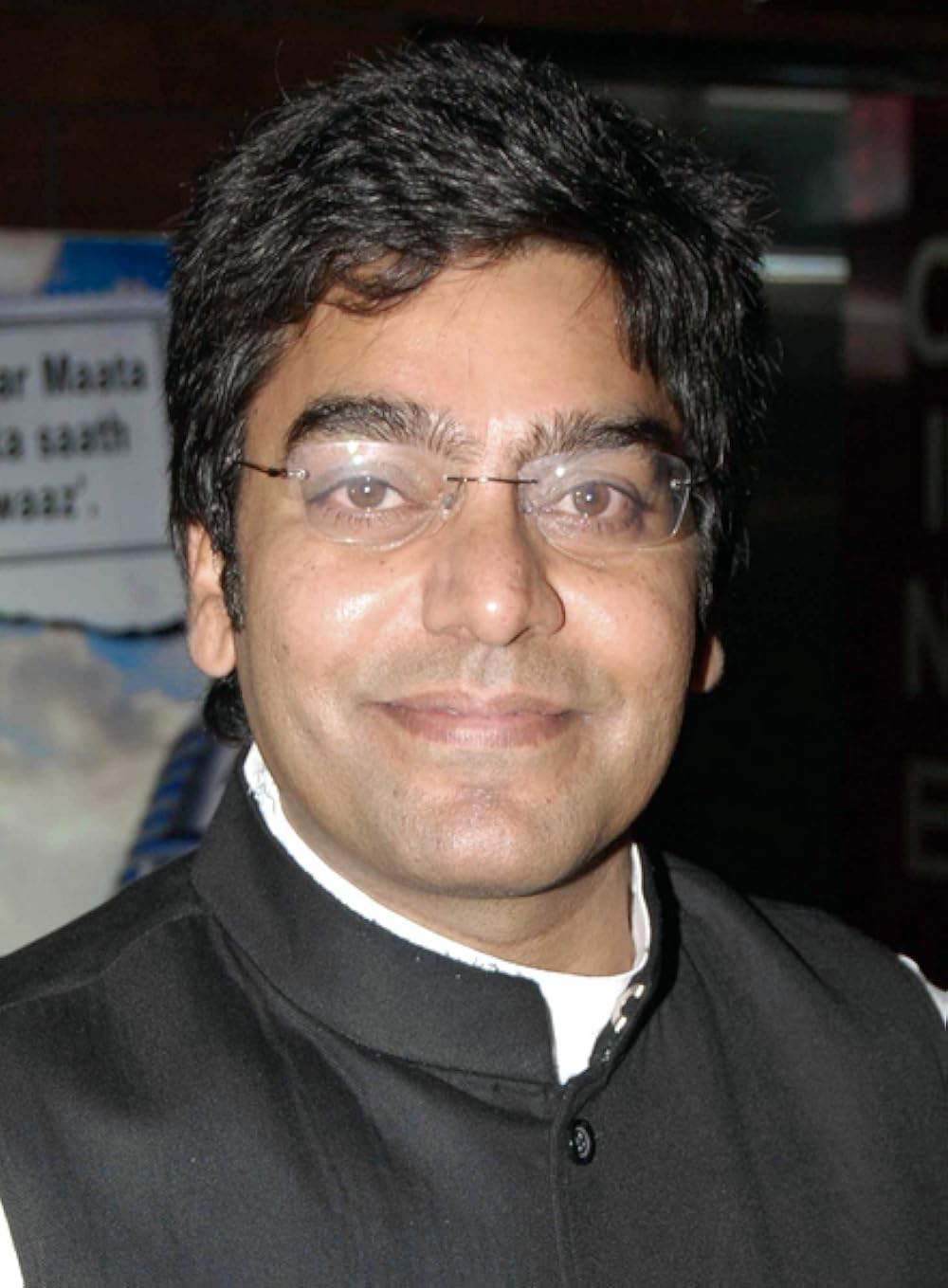
Meet the Full Cast and Actors of Ramayana: The Epic
Explore the complete cast of Ramayana: The Epic, including both lead and supporting actors. Learn who plays each character, discover their past roles and achievements, and find out what makes this ensemble cast stand out in the world of film and television.

External Links and Streaming Options
Discover where to watch Ramayana: The Epic online, including streaming platforms, rental options, and official sources. Compare reviews, ratings, and in-depth movie information across sites like IMDb, TMDb, Wikipedia or Rotten Tomatoes.






Take the Ultimate Ramayana: The Epic Movie Quiz
Challenge your knowledge of Ramayana: The Epic with this fun and interactive movie quiz. Test yourself on key plot points, iconic characters, hidden details, and memorable moments to see how well you really know the film.
Ramayana: The Epic (2010): A quiz testing knowledge of the key events and characters in the 2010 film Ramayana: The Epic.
Who is Rama's mother?
Full Plot Summary and Ending Explained for Ramayana: The Epic
Read the complete plot summary of Ramayana: The Epic, including all major events, twists, and the full ending explained in detail. Explore key characters, themes, hidden meanings, and everything you need to understand the story from beginning to end.
In the ancient kingdom of Kosala, ruled from Ayodhya by Dashratha and his three wives, the story begins with a shared longing for heirs. The king and queens perform a special ritual to bless the royal line, and soon they are blessed with four sons: Rama, Bharata, Lakshman, and Shatrughna. From Kaushalya comes the future hero known for steadfast virtue, while the other sons come from the other queens, each destined to play a crucial part in the unfolding tale. Rama grows into a virtuous warrior, revered for his discipline, courage, and sense of duty. When the sage Vishvamitra requests his aid to defeat the demoness Tataka, Rama and Lakshmana accompany him on a perilous mission that tests their strength and resolve.
The journey leads them to the swayamvara of King Janak, where Rama wins the hand of Sita by lifting and breaking Shiva’s mighty bow, a feat that seals their marriage. The tale also mentions that the three brothers marry Sita’s sisters, weaving a larger, entwined family into the royal legacy. Back at the palace, Dashratha contemplates Rama as his rightful successor, but political intrigue brews when Kaikeyi is influenced by her confidante Manthara. She reminds the king of two boons she can demand: Bharata’s coronation and Rama’s exile. Bound by his promise to Kaikeyi, Dashratha reluctantly agrees, and Rama, along with Lakshmana and Sita, accepts fourteen years of banishment. The king’s sorrow is deep, and when Rama departs, Dashratha passes away, longing for his son; Bharata, loyal to Rama’s memory, refuses to be part of his mother’s plan and instead returns Rama’s sandals to Ayodhya as a symbol of Rama’s future rule.
In exile, the brothers receive divine weapons from the sage Agastya, gifts that will bolster their strength and courage for the trials ahead. Their miles-long journey through forests unfolds with many trials and encounters that test their honor and fidelity. In the forest, Sita is glimpsed by Ravana’s sister Shurpanakha, whose advances are rejected; in response, Lakshmana defends his brother’s honor and cuts off Shurpanakha’s nose, a wound that inflames Ravana’s rage and sets the stage for a vengeful pursuit. Ravana, enraged by the insult to his sister, plots to seize Sita. In the forest, Rama rescues a beautiful deer that lures him away from Sita; this deer turns out to be the demon Marich, who uses a deceptive ruse to draw Rama away and imitates Rama’s voice to alarm Sita. To protect her, Lakshmana draws a sacred line around the hermitage and instructs Sita not to step beyond it.
Ravana, disguised as an old sage seeking alms, approaches Sita and cunningly persuades her to come outside Lakshmana’s protection. Crossing the boundary, she is abducted and carried away to Lanka. A valiant Jatayu attempts to intervene and is grievously wounded, but not before revealing the abduction’s direction. The sisters’ marriage alliances, the loss of Sita, and the brothers’ grief drive Rama and Lakshmana to intensify their search. They encounter Kabandha, a dharmic demon without a head, and the devoted Shabri, who offer aid and guidance. Their quest eventually leads them to Kishkindha, the realm of the monkeys, where they meet Hanuman and the wise king Sugreeva. Rama’s steadfastness earns Sugreeva’s trust, and he helps Rama reclaim the throne from his brother Bali, forging a powerful alliance with the monkey army.
With Sugreeva and the army at their side, Rama dispatches Hanuman and Angada to scour southern lands for Sita. Hanuman’s search eventually brings him to Lanka, where he grows to an enormous size to cross the sea and then shrinks to a stealthy form to slip into the city. In Ravana’s palace, Hanuman discovers Sita in a garden, bearing Rama’s ring as a symbol of her hope and the truth of Rama’s devotion. He reassures her, but she remains steadfast, insisting that Rama himself must come to rescue her. Hanuman’s fury burns through Lanka as he causes chaos but is captured and his tail set aflame, a chastisement that only strengthens the resolve to prevail in the war to come. Ravana’s brother Vibhishan, recognizing the moral truth in Rama’s cause, aligns with the forces of good as the war begins.
The battlefield grows brutal as the monkey army and Rama’s alliance press the attack. Ravana deploys his formidable brothers and generals, including Kumbhakarna, and marks the latest phase of the conflict with a display of illusion and magical threats. The heroes endure immense trials, including the attempted deception of Rama with severed-head visions and the retrieval of the healing herb Sanjeevani to revive Lakshmana, who is gravely wounded. When the day of reckoning comes, Ravana himself confronts Rama in single combat. Rama defeats Ravana with a decisive arrow aimed at the navel, Ravana’s vulnerable point, and with that victory, Sita is restored to Rama’s side.
Reunited, Rama and Sita return to Ayodhya after fourteen years, where they are welcomed by the people and all the mothers. Rama ascends the throne, and a new era begins for the kingdom of Kosala, now guided by a ruler whose life is a testament to duty, honor, resilience, and the enduring power of faith.

Coming soon on iOS and Android
The Plot Explained Mobile App
From blockbusters to hidden gems — dive into movie stories anytime, anywhere. Save your favorites, discover plots faster, and never miss a twist again.
Sign up to be the first to know when we launch. Your email stays private — always.
Explore the mobile appWatch Trailers, Clips & Behind-the-Scenes for Ramayana: The Epic
Watch official trailers, exclusive clips, cast interviews, and behind-the-scenes footage from Ramayana: The Epic. Dive deeper into the making of the film, its standout moments, and key production insights.
Ramayana: The Epic Other Names and Titles
Explore the various alternative titles, translations, and other names used for Ramayana: The Epic across different regions and languages. Understand how the film is marketed and recognized worldwide.
Quick Links: Summary, Cast, Ratings, More

What's After the Movie?
Not sure whether to stay after the credits? Find out!
Check out our other apps:

SAT Sphere
Build confidence for the Digital SAT.

Mori Atlas
Discover wild places worth protecting.

Luntero
Search smarter for a home in Amsterdam.

Plot Explained
Unravel movie endings and hidden clues.

Pokechamp
Dive into Pokémon data and battle logic.

Driving Theory
Get ready for your European theory test.

Movie Dust
Plan your next cinema trip with ease.

Musemap
Find art and culture as you travel.

Selkobase
Compare credentials before committing.

Local Manual
Turn an unfamiliar country into practical next steps.

Lernavi
Compare school systems before your next move.

GymRoam
Find a workout stop wherever your plans take you.
Explore Our Movie Platform
New Movie Releases (2026)
Famous Movie Actors
Top Film Production Studios
Movie Plot Summaries & Endings
Major Movie Awards & Winners
Best Concert Films & Music Documentaries
Movie Collections and Curated Lists
© 2026 What's After the Movie. All rights reserved.
Privacy Policy