Pumzi 2009


The outside is dead. A sci-fi film about futuristic Africa, 35 years after World War III, ‘The Water War’.


Does Pumzi have end credit scenes?
No!
Pumzi does not have end credit scenes. You can leave when the credits roll.
Meet the Full Cast and Actors of Pumzi
Explore the complete cast of Pumzi, including both lead and supporting actors. Learn who plays each character, discover their past roles and achievements, and find out what makes this ensemble cast stand out in the world of film and television.

Anton David Jeftha
Guard 2
Marius Botha
Water Distributor
Nicole Bailey
Binti
Freddy Djanabia
Guard 1
Tammy Richards
P.
Chantelle Burger
Cleaner
Kudzani Moswela
Asha
Arthur Cornelisser
Guard 3
Marlon Ryneveldt
Guard/Policeman
Cheslynn
Exercisor 2
Trymore Ndhlovu
Exercisor 1
Andy Kurehwatira
Exercisor 4
Henry Booysen
Exercisor 3
Wolfgang Wienssenstein
Floor Cleaner
External Links and Streaming Options
Discover where to watch Pumzi online, including streaming platforms, rental options, and official sources. Compare reviews, ratings, and in-depth movie information across sites like IMDb, TMDb, Wikipedia or Rotten Tomatoes.





Take the Ultimate Pumzi Movie Quiz
Challenge your knowledge of Pumzi with this fun and interactive movie quiz. Test yourself on key plot points, iconic characters, hidden details, and memorable moments to see how well you really know the film.
Pumzi (2009) Quiz: Test your knowledge of the short film *Pumzi*, set in a post‑apocalyptic East African community and following curator Asha's quest for life beyond the walls.
What is the name of the community where the film takes place?
Full Plot Summary and Ending Explained for Pumzi
Read the complete plot summary of Pumzi, including all major events, twists, and the full ending explained in detail. Explore key characters, themes, hidden meanings, and everything you need to understand the story from beginning to end.
Pumzi unfolds in a meticulously controlled future, set within the Maitu community of the East African Territory, 35 years after World War III or The Water War. In the Kikuyu language, the word Maitu hints at both truth and kinship—a sense of “our truth” that doubles as a kind of mother-tied lineage. The narrative centers on a seedpod of the Mother Tree kept in a glass jar, a symbol of hope tucked away in a world that keeps its inhabitants tightly corralled. The opening visuals frame a place of quiet power and measured elegance: expansive spaces, city-scape-adorned windows, and corridors that are clean, bright, and almost clinical. Yet beneath the sheen, the community is small, heavily surveilled, and hemmed in by harsh conditions, limited resources, and pervasive radiation fears. As the camera follows Asha through a sunlit hallway, we sense not a sprawling metropolis but a compact, contained world that functions with clockwork precision.
The entire Maitu settlement runs on stubborn, human-powered energy. Treadmills and rowing machines generate power, producing no pollution, while every citizen is allotted a scant daily amount of water. Waste is not wasted here: even the most ordinary bathroom routine—urine and sweat—gets recycled and stored in a personal water bottle, underscoring a culture of scrupulous conservation. The atmosphere is one of serene efficiency, where every action is measured, every resource rationed, and every movement choreographed to preserve life within the walls of this self-sufficient enclave.
Into this controlled reality comes a spark of possibility. The curator of the Virtual Natural History Museum, Asha, receives an anonymous package containing a small soil sample. Her initial tests are clinical: no radiation, but a surprising richness in moisture. Using specialized equipment and a deep, instinctive sense of inquiry, she experiences something more—an inward, visceral perception that latches onto a vision of water and a green tree. It is as if the soil is whispering that life might endure beyond the borders of Maitu, beyond the filters and alarms that keep everyone in line. This dual signal—scientific data and a subjective, almost see-through dream—drives her to believe that life exists outside the community’s walls, waiting to be found.
When Asha tries to press the point with the Maitu Council, the stakes become clear. The Council, three women who govern the land and its rules, dismiss her vision as nothing more than a dangerous dream. To them, the dream is a threat to the fragile equilibrium that sustains Maitu. In a dramatic act of demonstration, Asha places her hand on a scanner, and the machine projects the vivid image from her dream—the green tree and the pool of water—from within Maitu’s anxieties into the room. The Council remains skeptical, refusing visas to “dreams” and labeling Asha as sick. They deploy a security team that obliterates evidence, and the enforcers compel Asha to produce energy on one of the machines, exposing a darker, coercive side to the community’s self-sufficiency. The tension between credibility and control intensifies, revealing a system that prizes order over the uncertain promises of the outside world.
In a bid for freedom, Asha finds an ally in a bathroom attendant who helps her slip out into the harsh, outside sunlight. For the first time, she encounters a landscape dominated by plastic waste and a wrecked, impersonal beauty. With ingenious improvisation, she fashions foot coverings and a head scarf from the refuse she encounters, turning junk into shelter against sun and wind. The city’s surplus waste—bags of garbage hurled into the surrounding terrain—serves as a stark, almost satirical reminder of Maitu’s hard-won lessons about resourcefulness. Guided by a compass toward the origin of the soil sample, Asha ventures into the unknown, her resolve hardening with every step.
What follows is a quiet, physical pilgrimage. Asha discovers the tree of her dream in a mirage-like vision, only to find nothing truly alive in the immediate surroundings. Undeterred, she digs a hole in the sunbaked sand, plants the Mother Tree, and pours the last of her water onto the delicate sapling, followed by her own sweat. She lies down to shelter and nurture the bud, a symbolic pledge to sustain new life through care and patience. The camera pulls back, and the world rotates—then widens—revealing a dramatic reversal of the opening: a tree grows rapidly, seemingly sprouting from within Asha herself, as if life finds a way to break through even the most fortified boundaries.
The film closes on a note of defiant hope. The Mother Tree, once small and hidden, begins to assert its presence in the landscape, suggesting that the barrier between Maitu and a possible, greener future might be bridged not by force, but by perseverance, curiosity, and a stubborn belief in renewal. It’s a story of containment and longing, of systems that sustain themselves by conserving every drop of water and every breath, and of a solitary act of faith that turns into a shared, living possibility. In this subtle utopian fable, the question lingers: can a single seed grown from a dream become the seedbed for a living world beyond the walls?

Coming soon on iOS and Android
The Plot Explained Mobile App
From blockbusters to hidden gems — dive into movie stories anytime, anywhere. Save your favorites, discover plots faster, and never miss a twist again.
Sign up to be the first to know when we launch. Your email stays private — always.
Explore the mobile appWatch Trailers, Clips & Behind-the-Scenes for Pumzi
Watch official trailers, exclusive clips, cast interviews, and behind-the-scenes footage from Pumzi. Dive deeper into the making of the film, its standout moments, and key production insights.
Pumzi Themes and Keywords
Discover the central themes, ideas, and keywords that define the movie’s story, tone, and message. Analyze the film’s deeper meanings, genre influences, and recurring concepts.

Unlock the World of Movies with Our Comprehensive Wiki
Dive into our Movie Wiki for in-depth film encyclopedia entries, including cast biographies, production trivia, plot synopses, behind-the-scenes facts, and thematic analyses. Whether you’re researching iconic directors, exploring genre histories, or discovering hidden easter eggs, our expertly curated movie database has everything you need to fuel your cinematic passion.

Similar Movies To Pumzi You Should Know About
Browse a curated list of movies similar in genre, tone, characters, or story structure. Discover new titles like the one you're watching, perfect for fans of related plots, vibes, or cinematic styles.

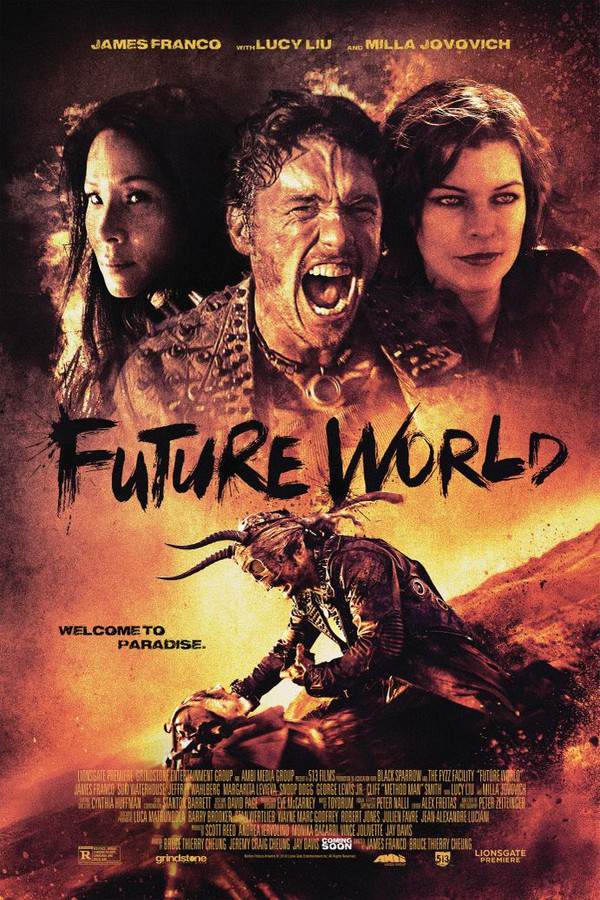









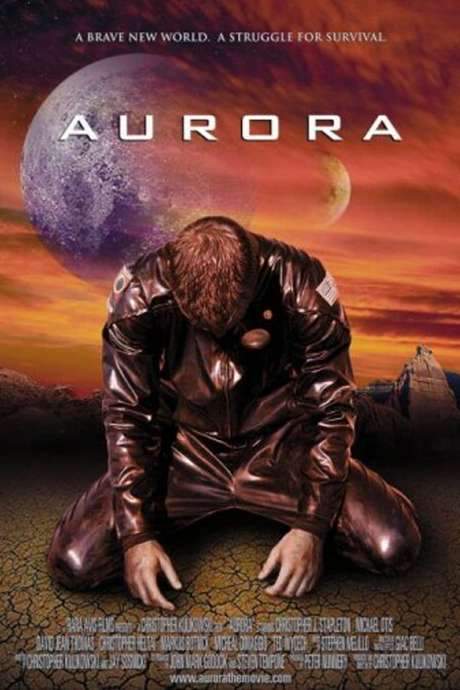
Quick Links: Summary, Cast, Ratings, More

What's After the Movie?
Not sure whether to stay after the credits? Find out!
Check out our other apps:

SAT Sphere
Build confidence for the Digital SAT.

Mori Atlas
Discover wild places worth protecting.

Luntero
Search smarter for a home in Amsterdam.

Plot Explained
Unravel movie endings and hidden clues.

Pokechamp
Dive into Pokémon data and battle logic.

Driving Theory
Get ready for your European theory test.

Movie Dust
Plan your next cinema trip with ease.

Musemap
Find art and culture as you travel.

Selkobase
Compare credentials before committing.

Local Manual
Turn an unfamiliar country into practical next steps.

Lernavi
Compare school systems before your next move.

GymRoam
Find a workout stop wherever your plans take you.
Explore Our Movie Platform
New Movie Releases (2026)
Famous Movie Actors
Top Film Production Studios
Movie Plot Summaries & Endings
Major Movie Awards & Winners
Best Concert Films & Music Documentaries
Movie Collections and Curated Lists
© 2026 What's After the Movie. All rights reserved.
Privacy Policy