Profile 2018


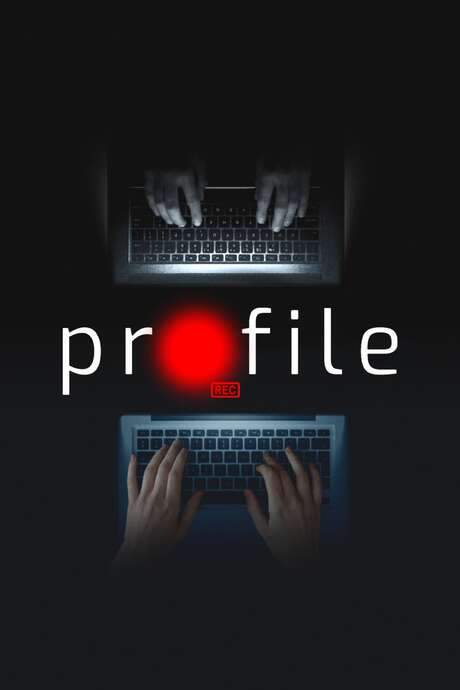
To investigate how ISIS recruits women to Syria, a journalist creates a fake Facebook profile of a Muslim convert. When an ISIS recruiter initiates contact with the online persona, the journalist finds herself immersed in the recruitment process, blurring the lines between investigation and experience, and facing very real danger.


Does Profile have end credit scenes?
No!
Profile does not have end credit scenes. You can leave when the credits roll.
Where to Watch Profile
See current US streaming, rental, and purchase options for Profile (2018) via JustWatch.

Peacock Premium
HD
Peacock Premium Plus
HD
USA Network
HD
YouTube TV
4K
Amazon Video
4K
Apple TV Store
4K
Fandango At Home
4K
Google Play Movies
SD
YouTube
SD Streaming availability powered by 
Meet the Full Cast and Actors of Profile
Explore the complete cast of Profile, including both lead and supporting actors. Learn who plays each character, discover their past roles and achievements, and find out what makes this ensemble cast stand out in the world of film and television.


External Links and Streaming Options
Discover where to watch Profile online, including streaming platforms, rental options, and official sources. Compare reviews, ratings, and in-depth movie information across sites like IMDb, TMDb, Wikipedia or Rotten Tomatoes.







Ratings and Reviews for Profile
See how Profile is rated across major platforms like IMDb, Metacritic, and TMDb. Compare audience scores and critic reviews to understand where Profile stands among top-rated movies in its genre.

The Movie Echo Score
Profile offers a compelling glimpse into online radicalisation through its screen‑life format, delivering tension and timely relevance. Reviewers commend the innovative visual approach and strong central performances, while noting uneven pacing and a rushed conclusion that dampen its overall impact. The film’s mixed but generally positive reception results in a solid mid‑high rating.
The Movie Echo Score Breakdown for Profile

Art & Craft
In terms of direction and visual execution, the film’s screen‑capture technique is praised for creating intimacy and anxiety. Critics note the format’s novelty and effective use of close‑ups, though some argue it constrains narrative depth. Overall, the artistic choices are seen as a strong asset.

Character & Emotion
When it comes to character work, Valene Kane’s performance is highlighted as nuanced and emotionally resonant, and Shazad Latif receives commendation for layered menace. However, reviewers point to occasional inconsistencies in Amy’s believability and underdeveloped supporting roles, leading to a moderately positive assessment.

Story & Flow
The story’s premise of undercover journalism into ISIS recruitment is regarded as original and engaging, maintaining suspense for much of the run‑time. Critics cite uneven pacing, dropped subplots, and an abrupt finale that weaken narrative cohesion. Consequently, the plot scores just above average.

Sensory Experience
Sensory experience benefits from the film’s digital aesthetic, with crisp sound design and purposeful visual cues that reinforce tension. Reviewers appreciate the effective integration of onscreen notifications and video calls, and no significant drawbacks are mentioned, resulting in a strong sensory rating.

Rewatch Factor
Rewatch value is mixed; while the climax provides a memorable adrenaline rush, many reviewers feel the overall experience lacks lasting novelty. The format’s novelty may wear thin on repeat viewings, and the unresolved ending reduces incentive for a second watch.
Full Plot Summary and Ending Explained for Profile
Read the complete plot summary of Profile, including all major events, twists, and the full ending explained in detail. Explore key characters, themes, hidden meanings, and everything you need to understand the story from beginning to end.
Amy Whittaker, Valene Kane, a journalist investigating the recruitment of young European women by ISIS, creates a Facebook profile under the alias Melody Nelson and builds the online persona of a woman who has recently converted to Islam.
Soon she is contacted by a fighter from Syria, Shazad Latif known in the circle as Abu Bilel Al-Britani. They begin talking regularly, and over weeks she finds herself developing real romantic feelings for him. The connection grows through frequent Skype chats, messages, and the sense that she’s found someone who understands her curiosity and ambition—even as the reality of the online world around her becomes more tangled and dangerous.
He convinces her to marry him, promising her the world and painting a future that feels almost too good to resist. Although she is conflicted—doubting the legal weight of such a union when it exists only on screen—she utters the words that seal their marriage. The lure of what he promises lures her further into the plan, and she reluctantly agrees to travel to meet him in person, to see if the bond can survive beyond the screen.
Her journey takes her from Europe toward safer-sounding steps, but a phone conversation reveals a grim truth: he will not meet her. Instead, he is sending someone else to meet her. In a tense moment, a Muslim friend translates parts of the conversation, and the friend reveals alarming details—Bilel has been negotiating a price and sharing information about her eye color and arrival window. The realization hits hard: she is being drawn into a trafficking scheme, and her safety hinges on acting quickly to disengage.
Back in England, the truth about her online partner becomes more urgent. She makes the difficult choice to cut ties and return home as soon as possible. But the danger doesn’t end there—the man behind the profile learns of her true identity and responds by spreading videos across social media, painting her as a traitor and urging ISIS supporters to target her.
The investigation intensifies, and it becomes clear that he is operating from Syria, where it emerges that he has multiple wives and children—an unsettling reminder of the personal life that exists behind the propaganda and the violence he promotes. Undeterred, Amy proceeds to publish her article, outing him and hoping that her piece will serve as a warning to other young women who might be drawn into similar traps.
In the end, the story reframes the online space as a dangerous frontier where romance, manipulation, and real-world consequences collide. Melody Nelson’s profile isn’t just a digital footprint; it’s a lens on the way vulnerable people can be enticed, confused, and endangered by signals that feel intimate but are tied to broader, perilous schemes. The film closes with a sober reminder of the need for vigilance, critical thinking, and courageous journalism in the age of hyper-connected extremism.

Coming soon on iOS and Android
The Plot Explained Mobile App
From blockbusters to hidden gems — dive into movie stories anytime, anywhere. Save your favorites, discover plots faster, and never miss a twist again.
Sign up to be the first to know when we launch. Your email stays private — always.
Explore the mobile appWatch Trailers, Clips & Behind-the-Scenes for Profile
Watch official trailers, exclusive clips, cast interviews, and behind-the-scenes footage from Profile. Dive deeper into the making of the film, its standout moments, and key production insights.
Profile Other Names and Titles
Explore the various alternative titles, translations, and other names used for Profile across different regions and languages. Understand how the film is marketed and recognized worldwide.
Quick Links: Summary, Cast, Ratings, More

What's After the Movie?
Not sure whether to stay after the credits? Find out!
Check out our other apps:

SAT Sphere
Build confidence for the Digital SAT.

Mori Atlas
Discover wild places worth protecting.

Luntero
Search smarter for a home in Amsterdam.

Plot Explained
Unravel movie endings and hidden clues.

Pokechamp
Dive into Pokémon data and battle logic.

Driving Theory
Get ready for your European theory test.

Movie Dust
Plan your next cinema trip with ease.

Musemap
Find art and culture as you travel.

Selkobase
Compare credentials before committing.

Local Manual
Turn an unfamiliar country into practical next steps.

Lernavi
Compare school systems before your next move.

GymRoam
Find a workout stop wherever your plans take you.
Explore Our Movie Platform
New Movie Releases (2026)
Famous Movie Actors
Top Film Production Studios
Movie Plot Summaries & Endings
Major Movie Awards & Winners
Best Concert Films & Music Documentaries
Movie Collections and Curated Lists
© 2026 What's After the Movie. All rights reserved.
Privacy Policy