Paathshaala 2010

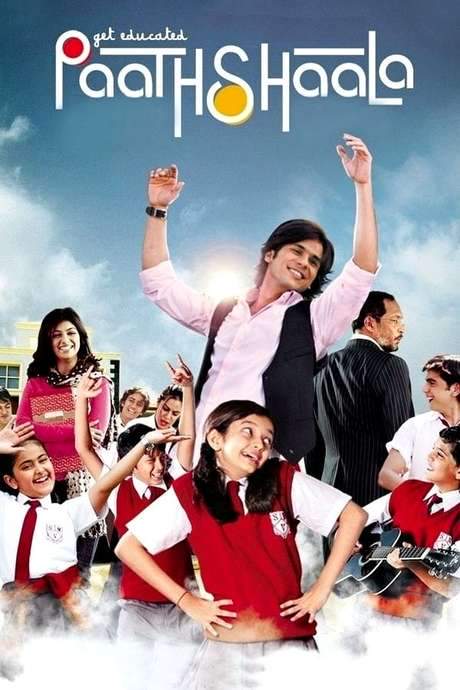
Get Educated A new English school teacher ends up leading both teachers and students to revolt against the school management.


Does Paathshaala have end credit scenes?
No!
Paathshaala does not have end credit scenes. You can leave when the credits roll.
Where to Watch Paathshaala
See current US streaming, rental, and purchase options for Paathshaala (2010) via JustWatch.






Meet the Full Cast and Actors of Paathshaala
Explore the complete cast of Paathshaala, including both lead and supporting actors. Learn who plays each character, discover their past roles and achievements, and find out what makes this ensemble cast stand out in the world of film and television.

Ali Haji
Rohan
Sushant Singh
Vijendre Chauhan
Saurabh Shukla
Lallan Sharma
Sunny Singh
Vicky
Shahid Kapoor
Rahul Prakash Udyavar
Kurush Deboo
Cyrus Hansotia
Nassar Abdulla
Dholakia
Nana Patekar
Aditya Sahay
Shraddha Arya
Natasha
Sushmita Mukherjee
Mrs Bose
Aanjjan Srivastav
Waghmare
Kainaz Motivala
Shailey
Avika Gor
Avika
Ayesha Takia
Anjali Mathur
Sanatan Mody
Farooque
Dwij Yadav
Vijay Damodhar
External Links and Streaming Options
Discover where to watch Paathshaala online, including streaming platforms, rental options, and official sources. Compare reviews, ratings, and in-depth movie information across sites like IMDb, TMDb, Wikipedia or Rotten Tomatoes.







Take the Ultimate Paathshaala Movie Quiz
Challenge your knowledge of Paathshaala with this fun and interactive movie quiz. Test yourself on key plot points, iconic characters, hidden details, and memorable moments to see how well you really know the film.
Paathshaala (2010) Quiz: Test your knowledge of the 2010 Indian drama film Paathshaala, covering its characters, plot points, and themes.
Who plays the new English teacher Rahul Udyavar?
Full Plot Summary and Ending Explained for Paathshaala
Read the complete plot summary of Paathshaala, including all major events, twists, and the full ending explained in detail. Explore key characters, themes, hidden meanings, and everything you need to understand the story from beginning to end.
Rahul Udyavar joins Saraswati Vidya Mandir, a well-regarded school on the outskirts of Mumbai in Mirpurkhas, as a new English teacher. Right from his first days, he earns the trust and warmth of both students and faculty, setting a calm, confident tone in a place that prides itself on tradition and excellence. The school’s principal, Aditya Sahay, is a stern, no-nonsense figure who has built a reputation for turning out top-tier educators and students, and his leadership becomes a defining thread throughout the story. On hearing about Rahul’s musical talent, Aditya asks him to also lead the music class, expanding Rahul’s role and deepening his ties with the school community.
From the outset, Rahul finds himself in a bustling, occasionally tense environment where the school’s finances and reputation are constantly under the microscope. A staff meeting headed by Aditya lays bare the anxiety over dwindling funds, fierce local competition, and the nagging sense that Saraswati Vidya Mandir is no longer the default destination for gifted students. Aditya promises a forthcoming email detailing new policies aimed at revitalizing the school, and Rahul quickly becomes a bridge between students and teachers as he navigates these growing pains with tact and empathy. The staff roster includes a tight-knit group: the hard-working Lallan Sharma, the nutritionist Anjali Kapoor, the diligent Farooque Sir, the Marathi teacher [Mrs. Shinde], the geography teacher Mrs. Bose, the strict peon Waghmare, and others who all react to Rahul’s arrival in different ways. The younger students also feel the ripple effect of the new energy, with Vikram “Vicky” Bhatnagar taking a keen interest in Natasha Singh, while Rahul and Anjali’s paths begin to cross more frequently through classroom interactions and hostel life.
As Rahul settles in, the school unveils a bold, controversial plan to resuscitate its fortunes. The resurgence scheme calls for stretching class sizes from a comfortable forty to as many as sixty-five, or cutting staff to fund broader programs. Extracurricular participation becomes a mandatory banner, and the emotional and financial strain of the plan begins to show in the days that follow. The measure to increase class strength is met with resistance from both the students and parents, and a wave of discontent sweeps through the classrooms. The management’s decisions intensify when Aditya introduces a package of draconian cost-cutting and revenue-raising steps: lunch coupons rise from Rs 5 to Rs 10, students are pressed to buy sports equipment and other gear through the school, junk food like chips and soft drinks finds a place on campus, and the price of music instruments—central to Rahul’s teaching—becomes another financial burden for families.
The discontent spills over into the corridors and fields. Parents voice their anger over the continuous charges, and the mood among students grows tense as the school’s finances become a daily topic. When a student’s family struggles to pay, the administration’s pressure translates into punitive measures—students who fall behind are made to endure the scorching sun while waiting for parents to settle accounts. In a show of solidarity, Rahul steps in to help by paying the fees for those who cannot, a move that deepens his standing with the students and signals his willingness to stand up for them.
Rahul’s influence begins to widen as he, together with Anjali, builds a united front against some of the harsher policies. The two teachers form a coalition with the sports instructor, Mr. Chauhan, to challenge the administration’s approach while staying true to their shared commitment to the students’ well-being. Aditya, though known for his devotion to the school’s mission, defends the management’s strategies with a veteran educator’s perspective, a stance that shocks colleagues who respect him and who have trusted his integrity for decades. The uneasy balance between progress and principle comes to a head as the staff grapples with the sense that the school’s values are being compromised in pursuit of expansion and publicity.
When the staff contemplates resigning to force a rollback, they discover Aditya has already prepared an alternate staff list ready to step in at a moment’s notice. The plan to resign loses steam, but the rift between administration and teachers deepens. The drive to rebuild Saraswati Vidya Mandir’s public image grows more aggressive as the school enlists media planners and pushes the students into reality TV timelines and other publicity-driven activities. The pressure to perform for cameras pushes the students toward heightened stress and moral discomfort, and scenes of grueling shoots, extended performances, and the constant demand for ratings highlight the darker side of school branding.
The story follows a harrowing arc where the push for public visibility begins to erode the students’ academic and personal safety. There are repeated incidents that underscore the clash between sensational media exposure and the core purpose of education. The idea of using kids as a public-facing brand leads to a cascade of stress, including demanding stunts like extended hot-sun performances and highly scrutinized auditions that threaten to undermine self-esteem and morale. A national conversation about the commercialization of education starts to form as the realities students face become the focal point of anger and concern.
With the strike gaining momentum, Rahul becomes the central conscience of the movement. He supports the students and the sympathetic teachers, emboldening them to stand up for safer, more humane conditions. Another key moment arrives when Aditya finally narrates the truth behind the school’s financial pressures: the board and chairman Mr. Dholakia pressured him to boost revenue without offering corresponding funds, threatening to shut the school if profits didn’t improve within a year. Faced with stark choices and the fear of losing the institution he loves, Aditya chooses to northernly acknowledge the pressure and, in a difficult but honest revelation, contemplates stepping down.
The revelation prompts a compassionate response from the staff and students, who rally around Aditya and argue against allowing the school’s principles to be bent beyond repair. The public and media scrutiny that follows is harsh and unforgiving toward the broader trend of commercialization, and it contributes to a renewed sense of purpose among the school’s community. In the end, the collective voice of teachers and students—not just Rahul’s leadership but a shared commitment to integrity—appears to win out, and the principal’s role is vindicated in the eyes of those who value education over spectacle.
Throughout this unfolding, the film paints a nuanced portrait of ambition, loyalty, and the fragile line between progress and principle. It presents a portrait of a school community that must navigate financial pressures, the allure of publicity, and the enduring belief that education should be about nurturing young minds rather than turning them into public commodities. The resolution underscores a return to core values, with the staff and students standing together to reclaim a more humane, principled path for Saraswati Vidya Mandir. The story closes on a hopeful note, suggesting that truth, mutual support, and a recommitment to pedagogical integrity can prevail even amid intense external pressures, and that a school can reestablish its identity by putting the well-being of its students first.

Coming soon on iOS and Android
The Plot Explained Mobile App
From blockbusters to hidden gems — dive into movie stories anytime, anywhere. Save your favorites, discover plots faster, and never miss a twist again.
Sign up to be the first to know when we launch. Your email stays private — always.
Explore the mobile appDiscover Film Music Concerts Near You – Live Orchestras Performing Iconic Movie Soundtracks
Immerse yourself in the magic of cinema with live orchestral performances of your favorite film scores. From sweeping Hollywood blockbusters and animated classics to epic fantasy soundtracks, our curated listings connect you to upcoming film music events worldwide.
Explore concert film screenings paired with full orchestra concerts, read detailed event information, and secure your tickets for unforgettable evenings celebrating legendary composers like John Williams, Hans Zimmer, and more.


Paathshaala Other Names and Titles
Explore the various alternative titles, translations, and other names used for Paathshaala across different regions and languages. Understand how the film is marketed and recognized worldwide.
Quick Links: Summary, Cast, Ratings, More

What's After the Movie?
Not sure whether to stay after the credits? Find out!
Check out our other apps:

SAT Sphere
Build confidence for the Digital SAT.

Mori Atlas
Discover wild places worth protecting.

Luntero
Search smarter for a home in Amsterdam.

Plot Explained
Unravel movie endings and hidden clues.

Pokechamp
Dive into Pokémon data and battle logic.

Driving Theory
Get ready for your European theory test.

Movie Dust
Plan your next cinema trip with ease.

Musemap
Find art and culture as you travel.

Selkobase
Compare credentials before committing.

Local Manual
Turn an unfamiliar country into practical next steps.

Lernavi
Compare school systems before your next move.

GymRoam
Find a workout stop wherever your plans take you.
Explore Our Movie Platform
New Movie Releases (2026)
Famous Movie Actors
Top Film Production Studios
Movie Plot Summaries & Endings
Major Movie Awards & Winners
Best Concert Films & Music Documentaries
Movie Collections and Curated Lists
© 2026 What's After the Movie. All rights reserved.
Privacy Policy