
Motichoor Chaknachoor (2019): Cast, Ratings & Box Office
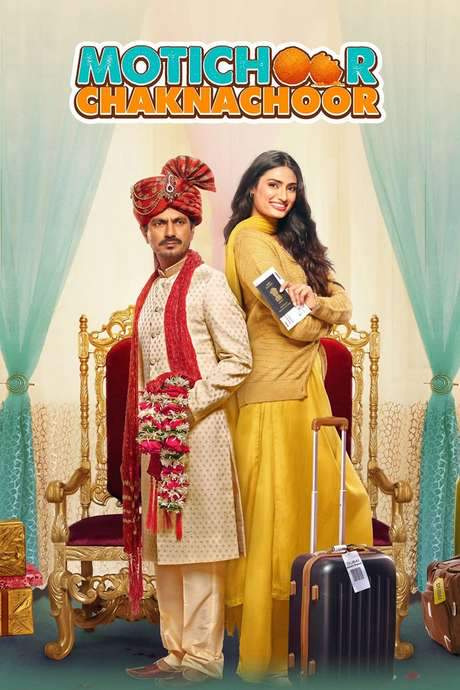
Motichoor Chaknachoor is a 2019 romantic drama directed by Debamitra Biswal, starring Athiya Shetty as Anita, Nawazuddin Siddiqui and Abhishek Rawat. It runs 2 hours 30 minutes and earned $372,987 worldwide on a $150 million budget. Its Echo Score is 73/100.
- Released
- Runtime
- 2h 30m (150 min)
- Director
- Debamitra Biswal
- Original language
-
 Hindi
Hindi - Studio
- Viacom18 Studios
- Budget
- $150M
- After the credits
- No No extra scene
What Is Motichoor Chaknachoor About?
The premise of Motichoor Chaknachoor without spoilers. The whole story is in the plot summary further down.
A woman whose single purpose in life is to marry a foreign-settled groom decides to marry a 36-year-old Dubai-returned professional who is desperate for a bride.
Motichoor Chaknachoor Cast & Characters
Athiya Shetty leads the cast as Anita, with Nawazuddin Siddiqui as Pushpinder Tyagi and Abhishek Rawat as Hakim Tyagi. Directed by Debamitra Biswal; 9 actors are credited in all.
- Director Debamitra Biswal
- Athiya Shetty as Anita
- Nawazuddin Siddiqui as Pushpinder Tyagi
- Abhishek Rawat as Hakim Tyagi
- Vibha Chibber as Indu
Also Starring in Motichoor Chaknachoor
· 5 more- Navni Parihar Supporting Actress
- Sunny Leone
- Devanshu Singh Ikka
- Vivek Mishra Supporting Actor
- Karuna Pandey Supporting Actress
Motichoor Chaknachoor Reviews & Ratings
Our Echo Score gives it 73/100, strongest in character & emotion (90) and weakest in story & flow (58).
Motichoor Chaknachoor Echo Score Breakdown
Motichoor Chaknachoor delivers a mixed yet generally enjoyable experience, anchored by strong performances and a lively soundtrack. While critics highlight structural flaws in the screenplay and uneven pacing, many viewers appreciate the natural acting and comedic moments. The film’s modest production values support its narrative without standing out, resulting in a work that satisfies casual viewing but may not sustain critical acclaim on repeat watches.
Our own 0–100 rating, built from five aspects: art, character, story, the sensory experience and how well a film rewatches.
- Art & Craft 70
In terms of art and craft, the film presents competent production design and editing that serve the story without drawing attention. Reviewers note the effective placement of music and a modest visual style, though no standout cinematographic achievements are mentioned. The overall technical execution is solid, contributing to a watchable but unremarkable aesthetic.
- Character & Emotion 90
Character and emotion emerge as the film’s strongest component, with widespread praise for the lead performances. Audiences highlight the natural acting of Athiya Shetty and the reliable presence of Nawazuddin, noting convincing chemistry and nuanced delivery across the ensemble. The character work consistently resonates, offering depth that elevates the material despite other shortcomings.
- Story & Flow 58
Story and flow receive mixed feedback, reflecting both engaging moments and structural issues. Critics point to an incoherent screenplay and sluggish second half, while several viewers enjoy the overall premise and occasional humor. Pacing irregularities, such as a dragging wedding night sequence, temper enthusiasm, resulting in an average narrative assessment.
- Sensory Experience 72
Sensory experience is bolstered primarily by the film’s soundtrack, which many reviewers commend for its placement and lyrical appeal. While sound design and visual cohesion are not heavily discussed, the music contributes positively to the viewing experience. The auditory elements are generally successful, though they do not dramatically enhance the film’s impact.
- Rewatch Factor 75
Rewatch factor appears favorable among audiences who recommend multiple viewings, especially at home. Positive comments emphasize repeatable humor and memorable performances, while occasional notes on pacing suggest minor deterrents. Overall, the film holds sufficient appeal to merit another watch for fans of the genre and cast.
Motichoor Chaknachoor Plot Summary
What happens in Motichoor Chaknachoor from start to finish, spoilers included, with a timeline of 12 key events. The opening is below; the full summary is a 5-minute read.
Spoilers ahead
Anita, commonly known as Anny, is a girl from a middle-class family in Bhopal who has turned down several marriage proposals because she is desperate to marry an NRI and settle abroad. Her dream of leaving India casts a persistent shadow over her choices, and she believes that true happiness lies beyond familiar streets and routines. Yet life has a way of testing even the strongest plans, especially when the right, unexpected person crosses her path.
Full summary
The whole story of Motichoor Chaknachoor, scene by scene
Motichoor Chaknachoor Box Office & Budget
Motichoor Chaknachoor grossed $372,987 worldwide on a $150 million budget.
Worldwide gross
$373K
- International
- $373K
- Budget
- $150M
How Well Do You Know Motichoor Chaknachoor?
10 questions about the story, each with a hint if you get stuck. Pick an answer to see whether you were right.
Question 1 of 10
- Question 1: not answered
- Question 2: not answered
- Question 3: not answered
- Question 4: not answered
- Question 5: not answered
- Question 6: not answered
- Question 7: not answered
- Question 8: not answered
- Question 9: not answered
- Question 10: not answered
What is the name of the female protagonist who is commonly known as 'Anny'?
Motichoor Chaknachoor Also Known As
6 alternative titles, including “Procura-se uma Esposa” and “Брак по расчету”.
- Also known as
-
- Procura-se uma Esposa
- Брак по расчету
- 我要嫁印侨
- 我要嫁到國外
- 這個新娘真麻煩
- Dragoste cu pașaport
Seen Motichoor Chaknachoor?
Motichoor Chaknachoor FAQ: Cast, Box Office & Runtime
Runtime, release date, director, cast, box office, post-credit scenes and language of Motichoor Chaknachoor, each answered in a sentence.
How long is Motichoor Chaknachoor?
Motichoor Chaknachoor runs 2 hours 30 minutes (150 minutes).
When was Motichoor Chaknachoor released?
Motichoor Chaknachoor was released on November 15, 2019.
Who directed Motichoor Chaknachoor?
Motichoor Chaknachoor was directed by Debamitra Biswal.
Who is in the cast of Motichoor Chaknachoor?
Motichoor Chaknachoor stars Athiya Shetty as Anita, Nawazuddin Siddiqui as Pushpinder Tyagi and Abhishek Rawat as Hakim Tyagi, among 9 credited actors.
How much did Motichoor Chaknachoor make at the box office?
Motichoor Chaknachoor grossed $372,987 worldwide on a budget of $150 million.
Does Motichoor Chaknachoor have a post-credit scene?
No. Motichoor Chaknachoor has no extra scene during or after the credits.
What language is Motichoor Chaknachoor in?
The original language of Motichoor Chaknachoor is Hindi.
Coming soon to your phone
The Plot Explained Movie Summary App
From blockbusters to hidden gems: plot summaries, endings explained and timelines on your phone. Save your favorites and never miss a twist again.
Be the first to know when it launches. Your email stays private, always. Learn more about the app
