Morning Raga 2004


The story explores the meeting of worlds, blending modern and traditional, past and present, Carnatic and Western music in an unprecedented way. It weaves fate and coincidence with individual choices, reflecting our times as diverse cultures interact and influence each other. Destiny and chance merge with choices, weaving a global tapestry of sound.


Does Morning Raga have end credit scenes?
No!
Morning Raga does not have end credit scenes. You can leave when the credits roll.
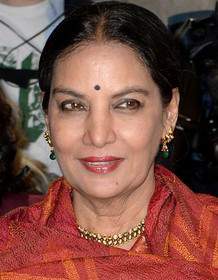
Meet the Full Cast and Actors of Morning Raga
Explore the complete cast of Morning Raga, including both lead and supporting actors. Learn who plays each character, discover their past roles and achievements, and find out what makes this ensemble cast stand out in the world of film and television.


External Links and Streaming Options
Discover where to watch Morning Raga online, including streaming platforms, rental options, and official sources. Compare reviews, ratings, and in-depth movie information across sites like IMDb, TMDb, Wikipedia or Rotten Tomatoes.





Take the Ultimate Morning Raga Movie Quiz
Challenge your knowledge of Morning Raga with this fun and interactive movie quiz. Test yourself on key plot points, iconic characters, hidden details, and memorable moments to see how well you really know the film.
Morning Raga Quiz: Test your knowledge of the 2004 film Morning Raga with these ten questions covering characters, plot points, and themes.
Which actress portrays the Carnatic singer Swarnalata?
Full Plot Summary and Ending Explained for Morning Raga
Read the complete plot summary of Morning Raga, including all major events, twists, and the full ending explained in detail. Explore key characters, themes, hidden meanings, and everything you need to understand the story from beginning to end.
Swarnalata Shabana Azmi stands as the moral and artistic center of a prosperous landowning family, a voice of Carnatic tradition in a village that clings to its roots. The film opens with a lush montage of rural life in South India, where her classical singing drapes the scene in memory and meaning. Abhinay [Prakash Kovelamudi] is introduced as the restless, city-raised heir of another influential clan nearby, someone who longs to break away from the inherited duties of land and lineage and instead start a Western-flavored music troupe that would feel alien to his community. Their paths cross in a moment charged with history and possibility, setting in motion a story that will test loyalty, ambition, and the healing power of music.
On the death anniversary of Abhinay’s parents, the ritual on the riverbank unfolds with the same solemn grace as in years past. As they arrive, a woman who has just completed her own ritual—Swarnalata’s [Shabana Azmi] presence—exchanges a long, searching look with the young man. Abhinay’s curiosity pulls him away from the ceremonies, and he follows the sense that a connection runs deeper than the village respectability permits. A near-disaster erupts when a car swerves into his path, careening into the roadside bushes and jolting him from the moment. The accident shakes Swarnalata to her core, the memory of a past burden pressing down on her as she hurries home. In the aftermath, Abhinay meets Pinky [Perizaad Zorabian], a stylish, modern city girl whose car has broken down in the village. He offers her hospitality at his grandfather’s house, and what begins as a simple act of aid quickly threads Pinky’s world into Abhinay’s quest for a new kind of music.
Swarnalata’s backstory unfolds in parallel, revealing a mother who once lived for music while carrying the grief of losing her son and her closest friend in a bus accident. Twenty years pass, and Vaishnavi’s son—the grandson of Swarnalata’s past—returns with a dream to compose enduring music, a vision of something as monumental as the Charminar itself. His longing to create a troupe that can translate memory into melody draws him back to the home that both sustains and constrains him. When Abhinay sees Swarnalata singing at a temple on the death anniversary, he asserts that she knew his mother, and the two are pulled toward one another by shared history and a stubborn artistic hunger. They reach a bridge where a car nearly takes him again, and Swarnalata’s guilt resurfaces—the memory of a single step that might have changed everything. Pinky’s arrival in the village has become more than a whim; it is a collision of two generations with two very different relationships to freedom and art.
The next stage follows Abhinay and Pinky as they travel to Hyderabad to recruit musicians for the envisioned troupe. They gather a guitarist and a drummer, Balaji, and set up shop at Pinky’s boutique, a space that embodies both modernity and color in contrast to the village’s calm austerity. Abhinay’s frustration with the city’s muted reception to their band grows as the group’s chemistry starts to take shape but struggles to earn the respect he anticipated. In a pivotal moment, Abhinay returns the violin his mother used to play to Swarnalata, explaining that the instrument’s voice is inseparable from hers and that the two should join forces for the project. Swarnalata, however, refuses to abandon the life she associates with hardship and the memory of the bridge—the place where fear and guilt first found her.
Back home, Abhinay’s father—Nassar—makes his disapproval loud and clear, voicing a fear that music will squander the family’s legacy. Swarnalata agrees to sing in the city after hearing the insistence in his words, and she and her husband set out again, only to experience another brush with danger when their bus crosses a bridge and Swarnalata falls ill, unable to perform. The trauma lingers, and she withdraws, leaving Pinky to carry the momentum of their shared project. In response, Pinky seeks out Swarnalata to learn Carnatic music herself, a gesture that gradually binds the two women in a common cause: to bridge worlds through song.
As days turn into weeks, Pinky becomes a catalyst for Swarnalata’s return to the stage. The plan for a concert coalesces, with Pinky positioned as the city’s rising star and Swarnalata as the soul of the troupe. Yet the old fear remains—a fear that the bridge, both literal and symbolic, could once again hold her back. Pinky, frustrated by Swarnalata’s reluctance, takes a risk and drives across the very bridge that haunts Swarnalata, forcing a confrontation that unfolds with quiet drama. The film’s emotional pivot arrives when Swarnalata, coaxed and urged by Pinky, steps out onto the stage for a final performance.
In the climactic concert, Swarnalata appears and delivers the resonant rendition of Thaaye Yashoda, a moment that feels both a personal absolution and a shared beacon for the troupe. The performance grows into a ten-week sensation, a testament to how memory, trauma, and tradition can be transformed through music into a hopeful, unifying force. The story closes on a note of reconciliation—the idea that the past can inform the present without imprisoning it, and that collaboration between generations can yield something lasting, transcendent, and deeply human.

Coming soon on iOS and Android
The Plot Explained Mobile App
From blockbusters to hidden gems — dive into movie stories anytime, anywhere. Save your favorites, discover plots faster, and never miss a twist again.
Sign up to be the first to know when we launch. Your email stays private — always.
Explore the mobile appWatch Trailers, Clips & Behind-the-Scenes for Morning Raga
Watch official trailers, exclusive clips, cast interviews, and behind-the-scenes footage from Morning Raga. Dive deeper into the making of the film, its standout moments, and key production insights.
Morning Raga Other Names and Titles
Explore the various alternative titles, translations, and other names used for Morning Raga across different regions and languages. Understand how the film is marketed and recognized worldwide.
Quick Links: Summary, Cast, Ratings, More

What's After the Movie?
Not sure whether to stay after the credits? Find out!
Check out our other apps:

SAT Sphere
Build confidence for the Digital SAT.

Mori Atlas
Discover wild places worth protecting.

Luntero
Search smarter for a home in Amsterdam.

Plot Explained
Unravel movie endings and hidden clues.

Pokechamp
Dive into Pokémon data and battle logic.

Driving Theory
Get ready for your European theory test.

Movie Dust
Plan your next cinema trip with ease.

Musemap
Find art and culture as you travel.

Selkobase
Compare credentials before committing.

Local Manual
Turn an unfamiliar country into practical next steps.

Lernavi
Compare school systems before your next move.

GymRoam
Find a workout stop wherever your plans take you.
Explore Our Movie Platform
New Movie Releases (2026)
Famous Movie Actors
Top Film Production Studios
Movie Plot Summaries & Endings
Major Movie Awards & Winners
Best Concert Films & Music Documentaries
Movie Collections and Curated Lists
© 2026 What's After the Movie. All rights reserved.
Privacy Policy