Main Azaad Hoon 1989
Runtime
160 mins
Language

Hindi

A reporter pays a man to pose as a crusader against corruption, fabricating stories to raise circulation. People accept him as a champion of the poor, turning him into a folk leader. When the paper prints a letter saying he will sacrifice himself fighting corruption, he cannot deny the narrative. He jumps from an unfinished building, ending his life.

Does Main Azaad Hoon have end credit scenes?
No!
Main Azaad Hoon does not have end credit scenes. You can leave when the credits roll.
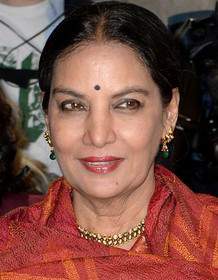
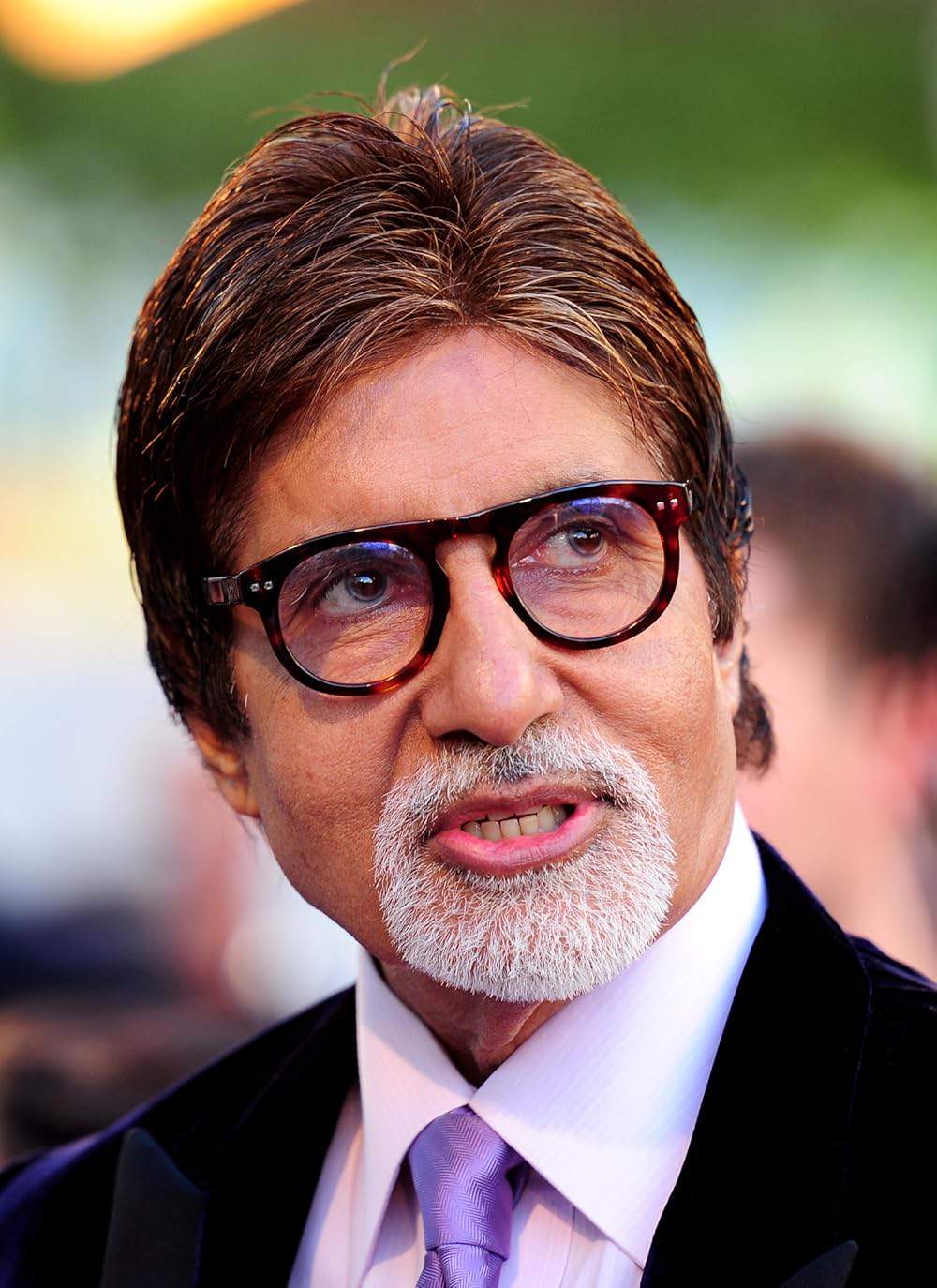
Meet the Full Cast and Actors of Main Azaad Hoon
Explore the complete cast of Main Azaad Hoon, including both lead and supporting actors. Learn who plays each character, discover their past roles and achievements, and find out what makes this ensemble cast stand out in the world of film and television.

External Links and Streaming Options
Discover where to watch Main Azaad Hoon online, including streaming platforms, rental options, and official sources. Compare reviews, ratings, and in-depth movie information across sites like IMDb, TMDb, Wikipedia or Rotten Tomatoes.






Take the Ultimate Main Azaad Hoon Movie Quiz
Challenge your knowledge of Main Azaad Hoon with this fun and interactive movie quiz. Test yourself on key plot points, iconic characters, hidden details, and memorable moments to see how well you really know the film.
Main Azaad Hoon Quiz: Test your knowledge of the 1989 film Main Azaad Hoon with these 10 mixed‑difficulty questions.
Who is the journalist that writes the provocative Azaad letter?
Full Plot Summary and Ending Explained for Main Azaad Hoon
Read the complete plot summary of Main Azaad Hoon, including all major events, twists, and the full ending explained in detail. Explore key characters, themes, hidden meanings, and everything you need to understand the story from beginning to end.
Subhashini, a journalist working for a daily in the city of Rajnagar, has built a reputation on her bold and open-mouthed reporting that targets corrupt politicians and exposes the creases in power. When the newspaper changes hands, the looming threat of layoffs sweeps through the staff, threatening Subhashini and many others who resist the new regime’s policies. Feeling betrayed by the corporate shake-up, she channels her frustration into a provocative column written in the guise of a letter from a mysterious figure named Azaad. The piece is written with striking candor, calling out the deepening divide between the rich and the poor and laying bare uncomfortable truths that the establishment would rather keep quiet. The letter makes a risky claim: the author would commit suicide from a high-rise building on 26 January, Republic Day, as a potent act of protest against a system that has failed the people. The sensational premise captures the public’s attention and ignites chatter among political elites, business leaders, and ordinary citizens alike, illustrating how a single provocative act can ripple through the city’s social fabric.
The newspaper’s new owner, Seth Gokulchand, senses an opportunity in this upheaval. He sees the letter as a chance to boost circulation and to position the paper as a fearless voice against corruption. His plan is pragmatic and carefully commercial: establish a regular column in the name of Azaad and use it to spotlight the ills of society and the failings of administration. The question that follows is who will become the face of Azaad, the visible embodiment of the character whose words stir the masses. This is where the story pivots from a provocative anonymous voice into a manufactured public persona, designed to captivate readers and fuel a growing movement.
Enter a nameless, jobless vaudevillian who drifts through Rajnagar with a friend in tow. Subhashini meets him and offers him work, proposing that he pose as Azaad for the newspaper’s evolving campaign. The man, sensing a practical way to earn money, accepts the role with little more than a shrug and a bare intention to cash in on the opportunity. Subhashini leverages the full spectrum of media machinery at her disposal—press, broadcasts, rallies, and the optics of public appearances—to sculpt a public figure for Azaad. The newly minted persona speaks at public forums, attends rallies, and wades into local issues, his every move broadcast to a widening audience. What begins as a calculated fabrication quickly gains an organic feel as the people respond to a down-to-earth, unpolished charm that resonates with the common folk. The word spreads with alarming speed, and crowds from nearby rural areas begin to converge on his appearances, sharing in the fervor that Azaad’s message has generated.
As the performance intensifies, Azaad evolves from a local curiosity into a nationwide symbol. The public rallies multiply; the media amplifies his voice, and his seemingly aligned rhetoric about justice and accountability attracts a growing list of sympathizers. For many, Azaad becomes a beacon of hope, a voice that seems to speak for the disenchanted and the disillusioned. Yet the rapid ascent alarms the political class and the entrenched powers who feel their influence slipping away. They perceive Azaad not merely as a columnist’s gimmick, but as a potential national leader who could redraw the political map. Subhashini, who orchestrated the transformation, witnesses the phenomenon she helped birth spiral beyond her control, as the line between fiction and reality blurs and the crowd clings to the belief that Azaad’s ideas might be genuine rather than manufactured.
In the end, the realization arrives with crushing clarity: he has been used as a vehicle for a larger scheme. The nameless vaudevillian discovers that the image of Azaad has grown beyond the author’s original intent and that the movement now dwarfs the man who began it all. Rather than reclaim control or resist, he chooses sacrifice as a final protest and a statement of solidarity with the cause he has come to symbolize. He decides to align with the very ideology he had helped propagate, embracing the idea that his life could serve as a catalyst for change. In a dramatic, fatal gesture, he leaps from a 30-storey under-construction building, sealing his fate with a public message directed to his supporters. Before the fall, he records a message that carries a last, unambiguous invitation: Azaad should take birth in each one of them, ensuring that the spark he ignited continues to burn in the hearts of the people long after his death.
The film’s arc invites reflection on the power—and perils—of media-driven movements. It scrutinizes how easily a fictional construct can be woven into the fabric of public life, how populist rhetoric can rise from stagecraft to policy, and how truth can be eclipsed by the spectacle of a compelling persona. Throughout, the story remains anchored in the human consequences of such a transformation: the journalist who stokes the fire, the shadowy architect of a media-driven legend, the ordinary citizen who becomes part of a national narrative, and the young man who learns too late that he has been used as a conduit for a purpose larger than himself. The ending leaves the audience with a careful, lingering tension about the ethics of manipulation, the fragile boundary between fiction and truth, and the enduring desire for genuine change in a country divided by wealth, power, and belief.

Coming soon on iOS and Android
The Plot Explained Mobile App
From blockbusters to hidden gems — dive into movie stories anytime, anywhere. Save your favorites, discover plots faster, and never miss a twist again.
Sign up to be the first to know when we launch. Your email stays private — always.
Explore the mobile appDiscover Film Music Concerts Near You – Live Orchestras Performing Iconic Movie Soundtracks
Immerse yourself in the magic of cinema with live orchestral performances of your favorite film scores. From sweeping Hollywood blockbusters and animated classics to epic fantasy soundtracks, our curated listings connect you to upcoming film music events worldwide.
Explore concert film screenings paired with full orchestra concerts, read detailed event information, and secure your tickets for unforgettable evenings celebrating legendary composers like John Williams, Hans Zimmer, and more.


Main Azaad Hoon Themes and Keywords
Discover the central themes, ideas, and keywords that define the movie’s story, tone, and message. Analyze the film’s deeper meanings, genre influences, and recurring concepts.
Main Azaad Hoon Other Names and Titles
Explore the various alternative titles, translations, and other names used for Main Azaad Hoon across different regions and languages. Understand how the film is marketed and recognized worldwide.
Quick Links: Summary, Cast, Ratings, More

What's After the Movie?
Not sure whether to stay after the credits? Find out!
Check out our other apps:

SAT Sphere
Build confidence for the Digital SAT.

Mori Atlas
Discover wild places worth protecting.

Luntero
Search smarter for a home in Amsterdam.

Plot Explained
Unravel movie endings and hidden clues.

Pokechamp
Dive into Pokémon data and battle logic.

Driving Theory
Get ready for your European theory test.

Movie Dust
Plan your next cinema trip with ease.

Musemap
Find art and culture as you travel.

Selkobase
Compare credentials before committing.

Local Manual
Turn an unfamiliar country into practical next steps.

Lernavi
Compare school systems before your next move.

GymRoam
Find a workout stop wherever your plans take you.
Explore Our Movie Platform
New Movie Releases (2026)
Famous Movie Actors
Top Film Production Studios
Movie Plot Summaries & Endings
Major Movie Awards & Winners
Best Concert Films & Music Documentaries
Movie Collections and Curated Lists
© 2026 What's After the Movie. All rights reserved.
Privacy Policy