Ley Chakka 2010

A South Kolkata cricketer, Abir, relocates with his family to Dorjipara in north Kolkata, where the struggling 11 Bullets cricket team calls home. He guides them to their first ever victory and confronts a local political strongman, freeing the team’s ground from the goon's control.


Does Ley Chakka have end credit scenes?
No!
Ley Chakka does not have end credit scenes. You can leave when the credits roll.
Meet the Full Cast and Actors of Ley Chakka
Explore the complete cast of Ley Chakka, including both lead and supporting actors. Learn who plays each character, discover their past roles and achievements, and find out what makes this ensemble cast stand out in the world of film and television.

Kharaj Mukherjee
Ismail Biryani waala
Dev
Abir Basu
Supriyo Dutta
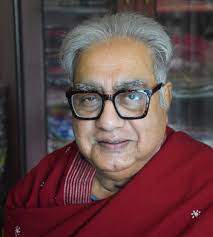
Biswajit Chakraborty
Abir's Father
Aritra Dutta Banik
Prasun Gain
Raja Datta
Dipankar Dey
Laboni Sarkar
Abir's Mother
Parthasarathi Chakraborty
Biswanath Basu
Gour
Debranjan Nag
Kanoo
Abhimanyu Mukherjee
Cricket Commentator
Ritwick Chakraborty
Rajat Mitra
Payel Sarkar
Rani Mitra
Debjani Chatterjee
Ratna Mitra
Padmanabha Dasgupta
Sanghashri Sinha Mitra
External Links and Streaming Options
Discover where to watch Ley Chakka online, including streaming platforms, rental options, and official sources. Compare reviews, ratings, and in-depth movie information across sites like IMDb, TMDb, Wikipedia or Letterboxd.




Full Plot Summary and Ending Explained for Ley Chakka
Read the complete plot summary of Ley Chakka, including all major events, twists, and the full ending explained in detail. Explore key characters, themes, hidden meanings, and everything you need to understand the story from beginning to end.
11 Bullets is a rough-and-ready cricket team from North Kolkata, formed by locals who work in different trades. In their opening clash against a South Kolkata team, the hero, Abir [Dev], alone dismantles the opposition, exposing the city’s social divide and the stubborn pride of a community that hasn’t quite found its footing in a changing world. The victory, while flashy, leaves the rest of the team facing a harsh reality: their neighbors regard them with scorn and ridicule, a reminder that talent alone isn’t enough to earn respect in a city that measures worth by lineage and location.
Among the residents is Ismail Biryani waala [Kharaj Mukherjee], a colorful figure who gives the neighborhood its flavor and texture, showing how daily life in a tight-knit area blends aspiration with humor. As Abir and his family move to Dorjipara, the very place that hosts the 11 Bullets, the dramatic clash between North Kolkata sensibilities and South Kolkata attitudes becomes impossible to ignore. The tenants’ house sits at the center of their world, and its fate becomes a barometer for the entire community’s future.
The move stirs friction: Abir finds himself irritated by the cultural mismatches that surface the moment he steps into this new block, where customs, languages, and expectations pull in different directions. The landlord’s niece — a persistent spark in the already tense atmosphere — starts a pattern of regular quarrels with Abir, testing his patience and his willingness to stand his ground without losing his humanity. The situation is further complicated when Abir uncovers a political leader who is quietly plotting to grab Dorjipara, aiming to seize the tenant house that the landlord refuses to sell. The revelation reveals how everyday life in a poor neighborhood can become a ladder for political maneuvering, turning a simple cricketing community into a battleground for power and control.
Motivated by this injustice, Abir challenges the 11 Bullets to see beyond mere sport. He emphasizes that without raising their voices and organizing their community, they won’t be able to resist the creeping influence of those who would profit from their displacement. As the team learns to protest, a newfound solidarity emerges. Gradually, the people of Dorjipara start to see in Abir a leader who can unite them, not just a player who can bat with flair. The bond between the community and Abir grows stronger, and the sense that they’re in this together becomes a quiet force that reshapes their daily lives.
Romance and risk enter the scene as Abir becomes close to Rani [Payel Sarkar], a connection that his new ally, Rajat [Ritwick Chakraborty], watches with mixed feelings. Rajat’s protective instincts and skepticism about Abir’s intentions create a delicate triangle of affection, loyalty, and expectation that adds emotional texture to a story already crowded with stakes. The tension between love and responsibility is mirrored by the political undercurrents around them, as the larger threat to Dorjipara looms ever larger.
Meanwhile, Shankar, aligned with the political faction, becomes entangled with Ratna Mitra [Debjani Chatterjee], the unmarried, frustrated elder sister of Rani. Shankar’s declaration that he intends to marry Rani rather than Ratna intensifies the already fragile family dynamics, and Ratna’s despair drives her to a tragic choice. Ratna’s subsequent suicide marks a turning point in the neighborhood’s struggle, underscoring how personal losses can sharpen collective resolve and reveal the depths of human vulnerability when political ambitions collide with intimate lives.
With party leaders arriving to take control of Dorjipara, Abir responds not with empty bravado but with a cricket match that stands as a test of communal resilience. The match becomes a crucible in which the neighborhood’s future is decided, turning sport into a strategic vehicle for safeguarding home and dignity. In a tense, meticulously played contest, the 11 Bullets earn a hard-fought victory, proving that unity and perseverance can outmatch coercive power, even in the face of intimidation and manipulation.
As the dust settles, Abir’s triumph is not only geographic but personal. The win cements his bond with Rani, offering a note of hope amid the darker plot lines that drive the story. The film uses the microcosm of a cricket team to explore broader themes — community resilience, the price of standing up to corruption, and the delicate balance between love, family, and political pressure. The narrative is anchored by strong performances from its ensemble, including Laboni Sarkar as Abir’s mother and Biswajit Chakraborty as Abir’s father, who ground the story in a warm, human center even as the surrounding world grows increasingly volatile. The colorful presence of other locals like Biswanath Basu as Gour and Debranjan Nag as Kanoo keeps the social tapestry vivid, while a local cricket commentator adds a wink of humor and texture to the game, brought to life by Abhimanyu Mukherjee.
In the end, the film invites the audience to look beyond a single winning shot and see how a village’s courage to stand up for its right to stay, live, and love can be as gripping and as dramatic as any sport. The story stays true to its core: a community finds its voice, negotiates its differences, and fights to keep what is theirs, all while chasing a future that feels just within reach.

Coming soon on iOS and Android
The Plot Explained Mobile App
From blockbusters to hidden gems — dive into movie stories anytime, anywhere. Save your favorites, discover plots faster, and never miss a twist again.
Sign up to be the first to know when we launch. Your email stays private — always.
Explore the mobile appDiscover Film Music Concerts Near You – Live Orchestras Performing Iconic Movie Soundtracks
Immerse yourself in the magic of cinema with live orchestral performances of your favorite film scores. From sweeping Hollywood blockbusters and animated classics to epic fantasy soundtracks, our curated listings connect you to upcoming film music events worldwide.
Explore concert film screenings paired with full orchestra concerts, read detailed event information, and secure your tickets for unforgettable evenings celebrating legendary composers like John Williams, Hans Zimmer, and more.


Ley Chakka Other Names and Titles
Explore the various alternative titles, translations, and other names used for Ley Chakka across different regions and languages. Understand how the film is marketed and recognized worldwide.
Quick Links: Summary, Cast, Ratings, More

What's After the Movie?
Not sure whether to stay after the credits? Find out!
Check out our other apps:

SAT Sphere
Build confidence for the Digital SAT.

Mori Atlas
Discover wild places worth protecting.

Luntero
Search smarter for a home in Amsterdam.

Plot Explained
Unravel movie endings and hidden clues.

Pokechamp
Dive into Pokémon data and battle logic.

Driving Theory
Get ready for your European theory test.

Movie Dust
Plan your next cinema trip with ease.

Musemap
Find art and culture as you travel.

Selkobase
Compare credentials before committing.

Local Manual
Turn an unfamiliar country into practical next steps.

Lernavi
Compare school systems before your next move.

GymRoam
Find a workout stop wherever your plans take you.
Explore Our Movie Platform
New Movie Releases (2026)
Famous Movie Actors
Top Film Production Studios
Movie Plot Summaries & Endings
Major Movie Awards & Winners
Best Concert Films & Music Documentaries
Movie Collections and Curated Lists
© 2026 What's After the Movie. All rights reserved.
Privacy Policy