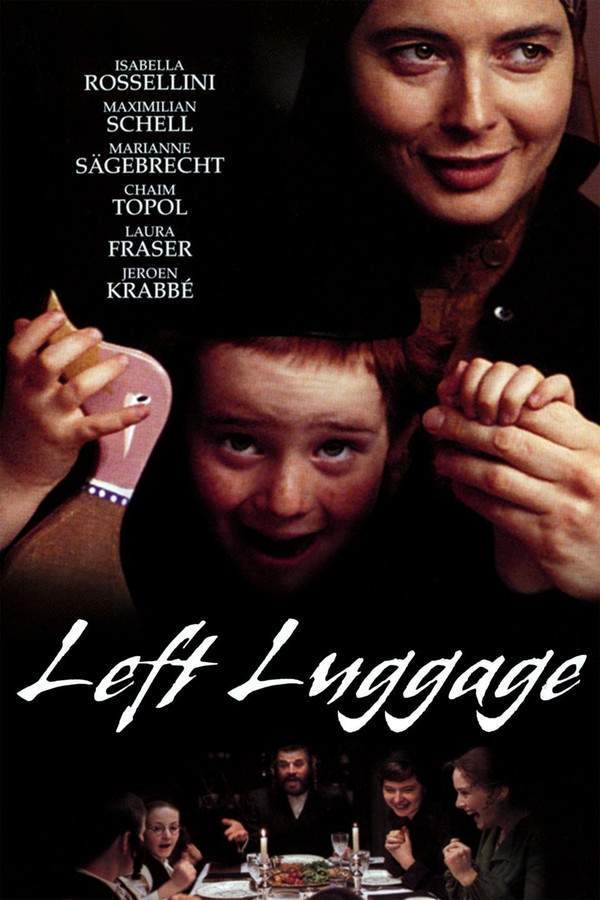
Left Luggage 1998


Escaping the Nazis in WWII, a Jewish man buries two suitcases of treasured items in Antwerp. After the war kills his family, he obsessively excavates the city, consulting old maps to recover what he lost. His daughter Chaya works as a nanny for a strict Hasidic family overwhelmed by children. She forms a bond with the mute four‑year‑old son Simcha.

Does Left Luggage have end credit scenes?
No!
Left Luggage does not have end credit scenes. You can leave when the credits roll.
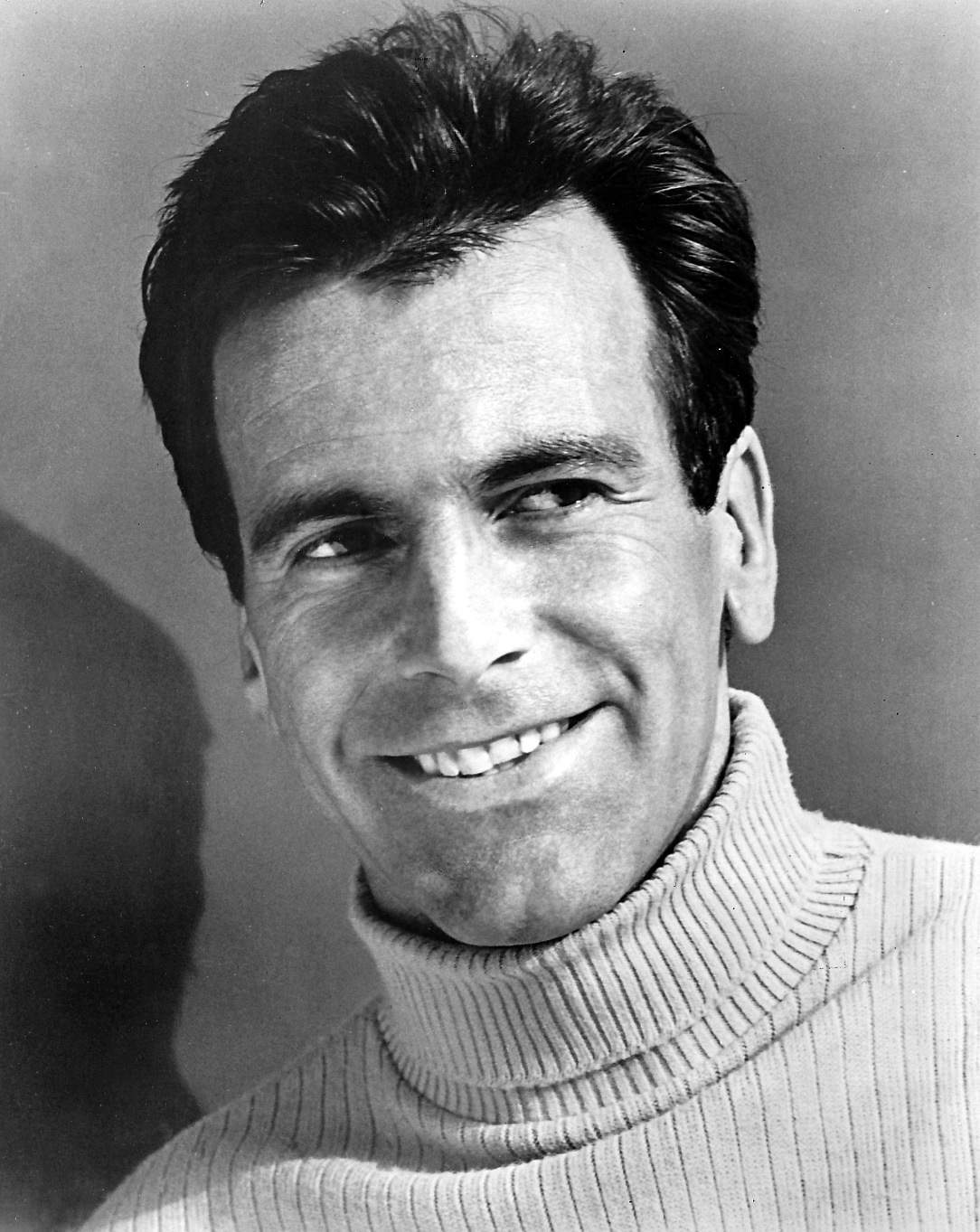
Meet the Full Cast and Actors of Left Luggage
Explore the complete cast of Left Luggage, including both lead and supporting actors. Learn who plays each character, discover their past roles and achievements, and find out what makes this ensemble cast stand out in the world of film and television.




External Links and Streaming Options
Discover where to watch Left Luggage online, including streaming platforms, rental options, and official sources. Compare reviews, ratings, and in-depth movie information across sites like IMDb, TMDb, Wikipedia or Rotten Tomatoes.







Take the Ultimate Left Luggage Movie Quiz
Challenge your knowledge of Left Luggage with this fun and interactive movie quiz. Test yourself on key plot points, iconic characters, hidden details, and memorable moments to see how well you really know the film.
Left Luggage (1998) Quiz: Test your knowledge of the 1998 film *Left Luggage*, covering its characters, key events, and themes.
Who is the young woman that arrives in Antwerp to work as a nanny?
Full Plot Summary and Ending Explained for Left Luggage
Read the complete plot summary of Left Luggage, including all major events, twists, and the full ending explained in detail. Explore key characters, themes, hidden meanings, and everything you need to understand the story from beginning to end.
In the wake of World War II, Mr. Kalman buries two suitcases full of things dear to his heart, a silent, stubborn ritual that keeps him turning the moist soil of Antwerp in a tireless search for the life he lost. The war has shredded his family, and his obsession becomes a way to almost physically hold onto memory, even as the present around him presses forward with quiet, unspoken pressure.
His daughter, Chaya Silberschmidt, a strikingly modern young woman, arrives in Antwerp hoping to work as a nanny. She steps into a strictly observant Hasidic family with many children, and her secular habits clash with the family’s devout routines. The Hasidic mother is overwhelmed by the household’s demands, so Chaya stays despite the resistance of the father, Mr. Silberschmidt, who normally asserts the family’s strict authority. The arrangement sketches a delicate balance between tradition and contemporary life that will test loyalties and beliefs on both sides.
Chaya forms a tender bond with the youngest boy, Simcha Kalman, a four-year-old who seems unable to speak at first. While strolling in the park, she encourages him to find his voice, and with a bit of patient coaching—a mutual learning process for both of them—he appears to be on the verge of speaking during the upcoming Passover Seder. The scene pivots on the moment when Simcha will be able to chant the Four Questions, a rite usually reserved for the child who speaks first, and the family gathers as the moment approaches.
At first, Simcha’s nerves keep him from speaking, and his brothers fill the moment with their louder voices. Yet, when Simcha finally lifts his voice, the entire family, including Chaya, bursts into applause. The father’s reaction is cooler, focusing on a perceived mistake rather than the achievement, a response that becomes a fault line in the family’s dynamic. Chaya confronts [Mr. Silberschmidt], and through their tense exchange, she sees the hidden ache of a Holocaust survivor—a window onto the grief that shadows the parental generations and a path toward understanding her own parents’ losses.
A relentless anti-Semitic superintendent in the building adds external pressure to an already fragile balance. Chaya refuses to yield to humiliation or to be a passive target, standing up to prejudice and earning the admiration of the children, even as it stirs the father’s anger and resolves.
Tragedy reshapes the entire story when Chaya and Simcha venture to the park secretly. Simcha drowns in a pond while chasing the ducks he loves, a loss that shocks the community and shocks Chaya with its emotional gravity. Some blame Chaya for the accident, but during the family’s mourning service, the mother, [Mrs. Silberschmidt], offers a reluctant, compassionate gesture that reveals a profound connection between Chaya and Simcha: she tears Chaya’s shirt—a traditional sign of mourning that marks Chaya as someone deeply linked to the deceased.
The graveside service becomes a decisive moment. [Mr. Silberschmidt] remains mostly silent, yet his presence and the solemnity of the ritual gradually acknowledge the bond between Chaya and Simcha, signaling a soft, unspoken acceptance of Chaya’s place in their story.
Chaya’s experiences gradually illuminate the past she carries and the life she chooses to embrace. By witnessing the family’s grief and the community’s reactions, she gains a deeper sense of what it means to belong, even within a framework of restraint and ritual. Her journey leads her to a kinder comprehension of her own parents’ histories and a more intimate connection to her Jewish identity.
Ultimately, the film offers a quiet meditation not just on outward anti-Semitism but also on the inner struggles of assimilated Jews—their longing to fit in, the pull of tradition, and the memory that binds generations. It’s a thoughtful, unhurried portrait of memory, faith, and belonging, told with restraint, empathy, and a steady moral curiosity.

Coming soon on iOS and Android
The Plot Explained Mobile App
From blockbusters to hidden gems — dive into movie stories anytime, anywhere. Save your favorites, discover plots faster, and never miss a twist again.
Sign up to be the first to know when we launch. Your email stays private — always.
Explore the mobile appDiscover Film Music Concerts Near You – Live Orchestras Performing Iconic Movie Soundtracks
Immerse yourself in the magic of cinema with live orchestral performances of your favorite film scores. From sweeping Hollywood blockbusters and animated classics to epic fantasy soundtracks, our curated listings connect you to upcoming film music events worldwide.
Explore concert film screenings paired with full orchestra concerts, read detailed event information, and secure your tickets for unforgettable evenings celebrating legendary composers like John Williams, Hans Zimmer, and more.


Left Luggage Themes and Keywords
Discover the central themes, ideas, and keywords that define the movie’s story, tone, and message. Analyze the film’s deeper meanings, genre influences, and recurring concepts.
Left Luggage Other Names and Titles
Explore the various alternative titles, translations, and other names used for Left Luggage across different regions and languages. Understand how the film is marketed and recognized worldwide.
Similar Movies To Left Luggage You Should Know About
Browse a curated list of movies similar in genre, tone, characters, or story structure. Discover new titles like the one you're watching, perfect for fans of related plots, vibes, or cinematic styles.






Quick Links: Summary, Cast, Ratings, More

What's After the Movie?
Not sure whether to stay after the credits? Find out!
Check out our other apps:

SAT Sphere
Build confidence for the Digital SAT.

Mori Atlas
Discover wild places worth protecting.

Luntero
Search smarter for a home in Amsterdam.

Plot Explained
Unravel movie endings and hidden clues.

Pokechamp
Dive into Pokémon data and battle logic.

Driving Theory
Get ready for your European theory test.

Movie Dust
Plan your next cinema trip with ease.

Musemap
Find art and culture as you travel.

Selkobase
Compare credentials before committing.

Local Manual
Turn an unfamiliar country into practical next steps.

Lernavi
Compare school systems before your next move.

GymRoam
Find a workout stop wherever your plans take you.
Explore Our Movie Platform
New Movie Releases (2026)
Famous Movie Actors
Top Film Production Studios
Movie Plot Summaries & Endings
Major Movie Awards & Winners
Best Concert Films & Music Documentaries
Movie Collections and Curated Lists
© 2026 What's After the Movie. All rights reserved.
Privacy Policy