Kim Ji-young, Born 1982 2019


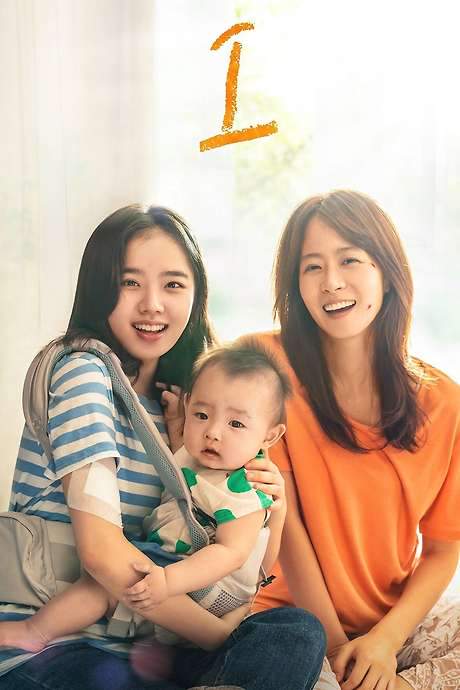
Kim Ji-young, an ordinary woman in her 30s, suddenly shows signs of being inhabited by other women from her life, past and present.

Does Kim Ji-young, Born 1982 have end credit scenes?
No!
Kim Ji-young, Born 1982 does not have end credit scenes. You can leave when the credits roll.
Where to Watch Kim Ji-young, Born 1982
See current US streaming, rental, and purchase options for Kim Ji-young, Born 1982 (2019) via JustWatch.














Meet the Full Cast and Actors of Kim Ji-young, Born 1982
Explore the complete cast of Kim Ji-young, Born 1982, including both lead and supporting actors. Learn who plays each character, discover their past roles and achievements, and find out what makes this ensemble cast stand out in the world of film and television.

Park Seong-yeon
Manager Kim
Jung Yu-mi
Kim Ji-young
Gong Yoo
Jung Dae-hyun
Ye Su-jeong
Maternal Grandmother
Kim Mi-kyeong
Mi-sook
Lee Bong-ryeon
Hye-soo
Choi Hee-jin
Young-ho's Mother
Kim Do-young
Cha Mi-kyeong
Dae-hyun's Mother
Yeom Hye-ran
Scarf Woman
Joo In-young
Teacher
Uh Sung-wook
Jong-gyu
Kwon Gwi-bin
Cafe Woman
Lee Jae-in
Manager Park
Son Seong-chan
Dae-hyun's Father
Woo Do-im
Fruit Shop Daughter
Kim Keum-soon
Aunt
Kim Jung-young
Doctor
Jeon Guk-hyang
Aunt
Jung Tae-sung
Male Student From Bus
Kang Ae-sim
Ji-young's Grandmother
Jung Hyung-suk
Soo-hyeon's Husband
Gong Min-jeung
Eun-young
Woo Yeon-seo
Eun-seo's Mother
Woo Ji-hyeon
Byeong-sik
Kim Guk-hee
Su-bin's Mother
Kim Sung-cheol
Ji-seok
Lee Eol
Yeong-su
Park Se-hyun
Young Kim Ji-young
External Links and Streaming Options
Discover where to watch Kim Ji-young, Born 1982 online, including streaming platforms, rental options, and official sources. Compare reviews, ratings, and in-depth movie information across sites like IMDb, TMDb, Wikipedia or Rotten Tomatoes.






Ratings and Reviews for Kim Ji-young, Born 1982
See how Kim Ji-young, Born 1982 is rated across major platforms like IMDb, Metacritic, and TMDb. Compare audience scores and critic reviews to understand where Kim Ji-young, Born 1982 stands among top-rated movies in its genre.

The Movie Echo Score
The film succeeds in delivering a sobering portrait of gender expectations through restrained direction and empathetic performances. Reviewers praise the realistic depiction of a mother's struggle, noting nuanced acting and thoughtful visual composition, while also highlighting the sluggish pacing and a neatly resolved ending that some viewers find unsatisfying. Consequently, the movie offers meaningful insight but may not sustain repeated viewings for all audiences.
The Movie Echo Score Breakdown for Kim Ji-young, Born 1982

Art & Craft
In terms of art and craft, the film displays commendable visual composition and an understated color palette. Critics note the cinematography captures everyday moments with clarity, and the production design reinforces the domestic atmosphere. However, the editing contributes to a deliberate, sometimes sluggish rhythm that can affect momentum. Overall, the technical execution enhances the film’s realistic tone.

Character & Emotion
Character and emotion are anchored by nuanced performances that convey internal conflict. Jung Yu‑Mi’s restrained portrayal of Ji‑young and the supporting mother’s heartfelt scenes receive particular acclaim. Reviewers also observe that the husband’s role feels peripheral, and some find the protagonist’s breakdown insufficiently explored. Nonetheless, the acting ensemble delivers authenticity that deepens audience empathy.

Story & Flow
In terms of story and flow, the narrative offers a realistic glimpse into the pressures faced by modern mothers. Viewers commend its honest depiction of gender bias and familial expectation, yet note that the pacing is slow and the resolution feels overly tidy compared with the novel’s ambiguity. The plot’s thematic clarity compensates partly for these structural drawbacks.

Sensory Experience
The sensory experience is marked by a gentle score and restrained sound design that complement the film’s subdued tone. Critics praise the visual style for capturing quotidian details, while noting the lack of a memorable soundtrack. Overall, the auditory and visual elements cohere to reinforce the intimate, everyday atmosphere without overwhelming the narrative.

Rewatch Factor
Rewatch value is moderate; the film's empowering social commentary and strong performances encourage reflection, yet its deliberate pacing and tidy conclusion may limit repeat enthusiasm. Some viewers feel empowered and wish to revisit the themes, while others find the slow rhythm and unresolved emotional depth reduce the desire for multiple viewings. Consequently, it offers worthwhile insight but modest repeat appeal.
Take the Ultimate Kim Ji-young, Born 1982 Movie Quiz
Challenge your knowledge of Kim Ji-young, Born 1982 with this fun and interactive movie quiz. Test yourself on key plot points, iconic characters, hidden details, and memorable moments to see how well you really know the film.
Kim Ji-young, Born 1982 Quiz: Test your knowledge of the 2019 South Korean film that explores motherhood, workplace discrimination, and mental health.
Which actress portrays the protagonist Ji-young?
Full Plot Summary and Ending Explained for Kim Ji-young, Born 1982
Read the complete plot summary of Kim Ji-young, Born 1982, including all major events, twists, and the full ending explained in detail. Explore key characters, themes, hidden meanings, and everything you need to understand the story from beginning to end.
The film opens with Ji-young Jung Yu-mi performing everyday housewife chores, painting a quiet portrait of a stay-at-home mother whose days revolve around her daughter while her husband, Dae-hyun Gong Yoo holds down a day job in an office. Through poignant flashbacks, we learn that Ji-young once thrived in a bustling marketing firm, finding purpose in a career she valued and in the mentorship of a standout leader, team leader Kim Park Seong-yeon, a woman who has managed to rise to a high position while navigating motherhood in a world of workplace discrimination against working mothers. A pivotal moment catches Ji-young’s then-shining path when team leader Kim calls to commend her for excellent work, a glimpse of the professional identity she once carried with pride. In these memories, the film briefly places Ji-young beside the shadow of her mother or late grandmother, two generations whose presence lingers as a measure of what she once could be and what she might still reclaim. The maternal or grandmotherly influence is felt again later in the story as Ji-young’s past reverberates through her present, reminding her of the voices that shaped her.
As years pass, Ji-young finds herself overwhelmed by a creeping sense of entrapment and a fading sense of self. The weight of postpartum experience, the demands of motherhood, and the social pressure surrounding working mothers coalesce into a growing unease she cannot quite name. The strain surfaces through unsettling episodes in which she seems briefly to inhabit the voices and mannerisms of her mother or grandmother, speaking in tones that are not entirely her own. Dae-hyun grows increasingly concerned and begins to document these moments on camera, seeking help from a psychiatrist to better understand what Ji-young is going through. He nudges her toward professional care by sharing the psychiatrist’s card, though financial worries and a lingering doubt about treatment keep Ji-young hesitant for a time.
Meanwhile, Ji-young contemplates a return to the workforce as a way to restore her sense of identity and independence. A part-time bakery job becomes a possibility, and the idea of reconnecting with the world she once loved fuels her tentative steps back toward the professional life she left behind. Her husband, ever supportive, proposes a bold plan: he will take parental leave for a year to become a stay-at-home father, allowing Ji-young to rejoin Manager Kim’s firm and reassert her professional footing. This shift brings a glimmer of hope, and Ji-young re-enters the workplace, where the bouts of possession recede in frequency and her mood brightens, at least for a while. Yet the friction with her mother-in-law intensifies when she learns about the shift in Ji-young’s career and her husband’s new role, criticizing Ji-young for hindering Dae-hyun’s advancement. In a difficult turn, Dae-hyun reveals the truth about Ji-young’s possession and mental health to his mother, who witnesses an episode herself and breaks down in tears, torn between familial loyalty and the troubling reality of Ji-young’s condition.
The turning point arrives when Ji-young finally agrees to pursue help after Dae-hyun presents him the video records of her possessions. She makes the choice to step away from the bakery and the office, acknowledging that healing requires distance from the stresses that fed the episode. Under a clinician’s guidance, she resumes therapy and begins the painstaking work of self-discovery. Ji-young keeps a journal to document her emotions, a practice encouraged by the psychiatrist Kim Jung-young. As she confronts the sexism and discrimination she faced in the workplace, she starts to articulate her experiences more openly, recounting how women are often underestimated or mocked, seen as “freeloaders” by younger colleagues, and judged for stepping beyond traditional roles. These revelations empower her to raise her voice in public, and she begins to write opinion pieces and personal essays for magazines, giving voice to those who find themselves navigating similar barriers as mothers and women in South Korea.
With each session, Ji-young grows more confident, more outspoken, and more compassionate toward her own needs. The transformation breathes new life into her—she channels her pain into purpose, seeking not only personal healing but a platform to advocate for social change. The film traces her evolution from a restrained, exhausted mother to a candid, resilient author who refuses to be defined by others’ expectations. In a closing image, Ji-young sits at a desk, pen poised over the first line of her self-titled memoir, signaling a new beginning and a commitment to telling her truth. The story ends on a note of hopeful self-determination, suggesting that the road to reclaiming her voice—and perhaps inspiring others to do the same—has only just begun.
Throughout the journey, the family and coming-of-age dynamics anchor the emotional core: Ji-young’s internal struggle is mirrored by the reactions of Dae-hyun, his mother Cha Mi-kyeong, and the extended circle who observe, judge, and, ultimately, support her quest for healing. The film uses intimate moments, flashbacks, and documentary-like clarity to present a nuanced portrait of motherhood, ambition, stigma, and resilience, inviting viewers to witness a woman’s rebirth as she writes her own future.

Coming soon on iOS and Android
The Plot Explained Mobile App
From blockbusters to hidden gems — dive into movie stories anytime, anywhere. Save your favorites, discover plots faster, and never miss a twist again.
Sign up to be the first to know when we launch. Your email stays private — always.
Explore the mobile appWatch Trailers, Clips & Behind-the-Scenes for Kim Ji-young, Born 1982
Watch official trailers, exclusive clips, cast interviews, and behind-the-scenes footage from Kim Ji-young, Born 1982. Dive deeper into the making of the film, its standout moments, and key production insights.
Kim Ji-young, Born 1982 Themes and Keywords
Discover the central themes, ideas, and keywords that define the movie’s story, tone, and message. Analyze the film’s deeper meanings, genre influences, and recurring concepts.
Kim Ji-young, Born 1982 Other Names and Titles
Explore the various alternative titles, translations, and other names used for Kim Ji-young, Born 1982 across different regions and languages. Understand how the film is marketed and recognized worldwide.
Similar Movies To Kim Ji-young, Born 1982 You Should Know About
Browse a curated list of movies similar in genre, tone, characters, or story structure. Discover new titles like the one you're watching, perfect for fans of related plots, vibes, or cinematic styles.












Quick Links: Summary, Cast, Ratings, More

What's After the Movie?
Not sure whether to stay after the credits? Find out!
Check out our other apps:

SAT Sphere
Build confidence for the Digital SAT.

Mori Atlas
Discover wild places worth protecting.

Luntero
Search smarter for a home in Amsterdam.

Plot Explained
Unravel movie endings and hidden clues.

Pokechamp
Dive into Pokémon data and battle logic.

Driving Theory
Get ready for your European theory test.

Movie Dust
Plan your next cinema trip with ease.

Musemap
Find art and culture as you travel.

Selkobase
Compare credentials before committing.

Local Manual
Turn an unfamiliar country into practical next steps.

Lernavi
Compare school systems before your next move.

GymRoam
Find a workout stop wherever your plans take you.
Explore Our Movie Platform
New Movie Releases (2026)
Famous Movie Actors
Top Film Production Studios
Movie Plot Summaries & Endings
Major Movie Awards & Winners
Best Concert Films & Music Documentaries
Movie Collections and Curated Lists
© 2026 What's After the Movie. All rights reserved.
Privacy Policy