Killer: A Journal of Murder 1995


A liar, thief and murderer who despises humanity, Carl Panzram is sent to Leavenworth for burglary. After a brutal beating by a guard, rookie officer Henry Lesser sympathizes, befriends him and persuades Panzram to write his memoir. As Lesser reads, he learns of Panzram’s violence and a glimpse of humanity that challenges staff assumptions.


Does Killer: A Journal of Murder have end credit scenes?
No!
Killer: A Journal of Murder does not have end credit scenes. You can leave when the credits roll.
Where to Watch Killer: A Journal of Murder
See current US streaming, rental, and purchase options for Killer: A Journal of Murder (1995) via JustWatch.






Meet the Full Cast and Actors of Killer: A Journal of Murder
Explore the complete cast of Killer: A Journal of Murder, including both lead and supporting actors. Learn who plays each character, discover their past roles and achievements, and find out what makes this ensemble cast stand out in the world of film and television.

Cara Buono
Esther Lesser
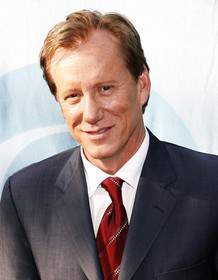
James Woods
Carl Panzram

Robert John Burke
R.G. Greiser

Ellen Greene
Elizabeth Wyatt

Lili Taylor
Woman in Speakeasy
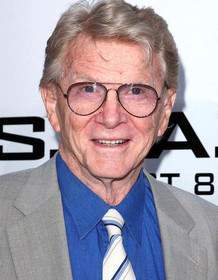
Steve Forrest
Warden Charles Casey
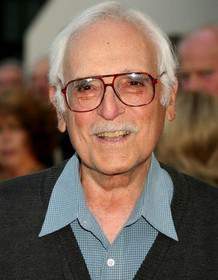
Harold Gould
Old Henry Lesser
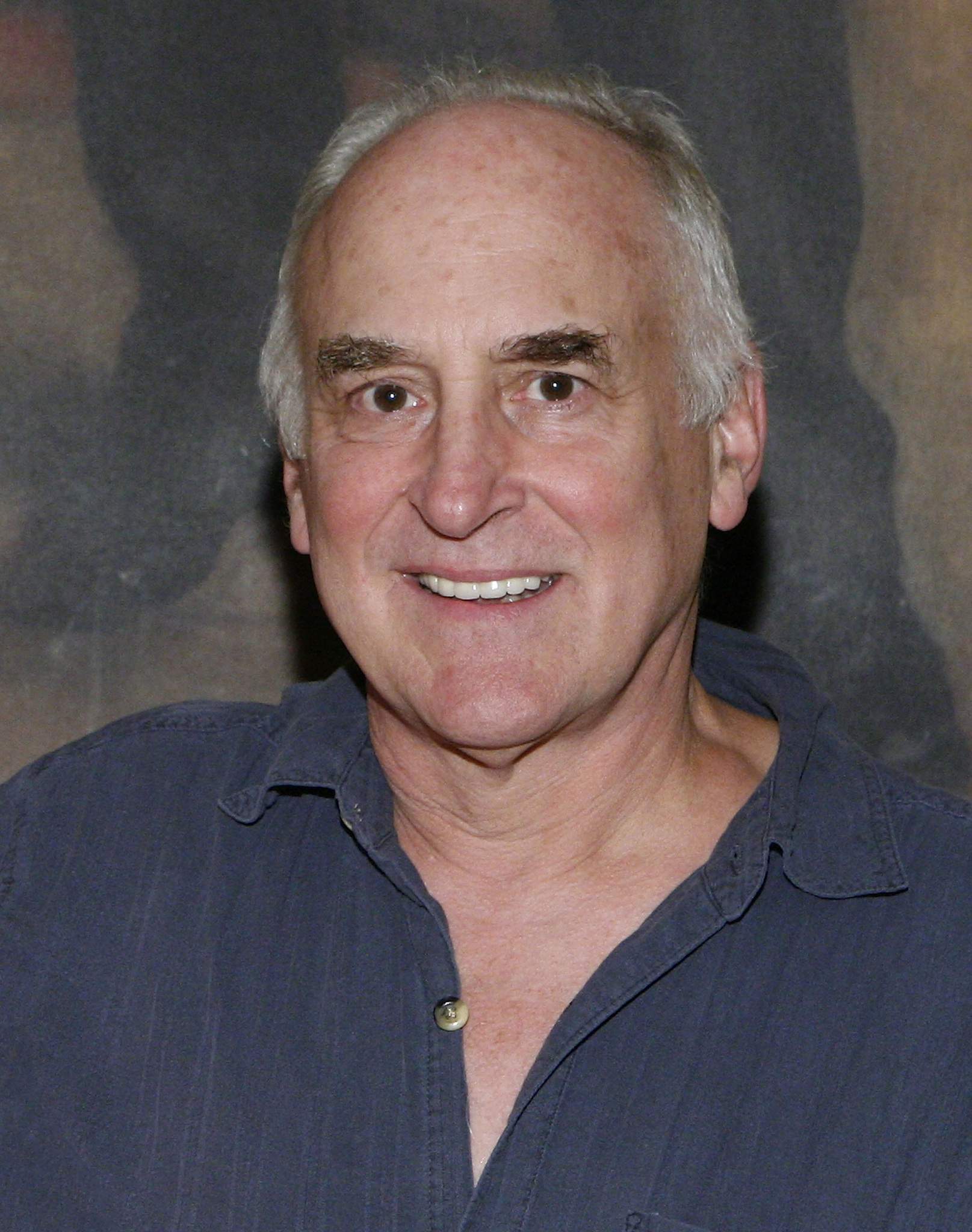
Jeffrey DeMunn
Sam Lesser

John Bedford Lloyd
Dr. Karl Menninger
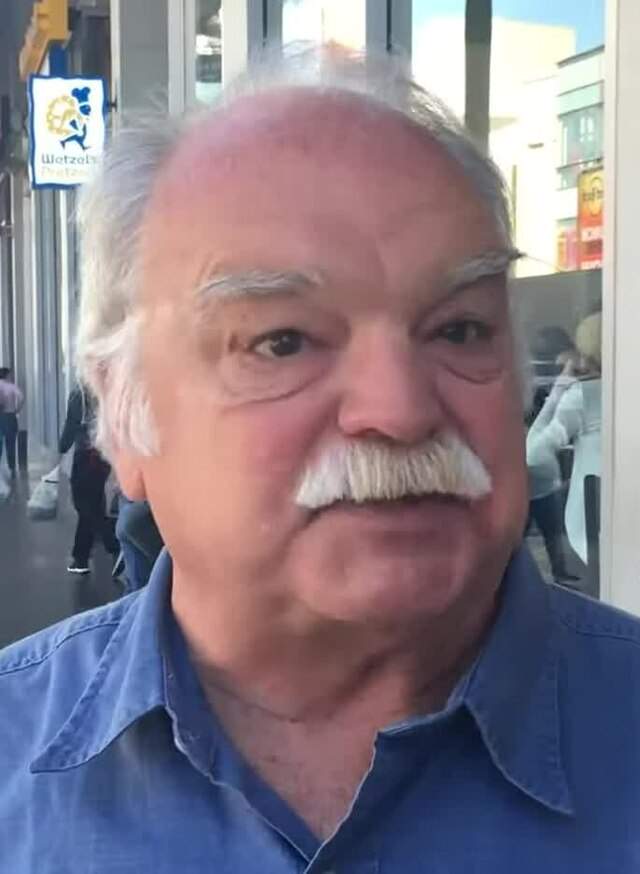
Richard Riehle
Warden Quince
Robert Sean Leonard
Henry Lesser
Richard Council
Cop
Seth Romatelli
Teenaged Carl Panzram
Conrad McLaren
Judge John W. Kingman
External Links and Streaming Options
Discover where to watch Killer: A Journal of Murder online, including streaming platforms, rental options, and official sources. Compare reviews, ratings, and in-depth movie information across sites like IMDb, TMDb, Wikipedia or Rotten Tomatoes.






Take the Ultimate Killer: A Journal of Murder Movie Quiz
Challenge your knowledge of Killer: A Journal of Murder with this fun and interactive movie quiz. Test yourself on key plot points, iconic characters, hidden details, and memorable moments to see how well you really know the film.
Killer: A Journal of Murder (1995) Quiz: Test your knowledge of the 1995 film that explores the complex relationship between inmate Carl Panzram and prison guard Henry Lesser.
Which actor portrays the infamous criminal Carl Panzram?
Full Plot Summary and Ending Explained for Killer: A Journal of Murder
Read the complete plot summary of Killer: A Journal of Murder, including all major events, twists, and the full ending explained in detail. Explore key characters, themes, hidden meanings, and everything you need to understand the story from beginning to end.
Carl Panzram (James Woods) is introduced as a dangerous, repeat offender whose crimes span robbery, violence, and a chilling pattern of brutality. He is serving time once again at Leavenworth penitentiary for burglary, a sentence that threads through a larger portrait of a man shaped by a brutal early-20th-century world. The story centers on a developing, uneasy dynamic between Panzram and a young prison guard, Henry Lesser (Robert Sean Leonard). Lesser, at the start of his career, approaches the prison’s grim environment with a belief in reform and a desire to see people change for the better. This belief draws him into an unlikely correspondence with Panzram, whom he invites to write and tell his life story.
As the pages of Panzram’s confession unfold, a troubling record emerges: murders, vicious assaults, and a cascade of violence against men and boys. He lays out the circumstances he believes shaped his cruel impulses, and the act of writing becomes a mirror that forces Lesser to confront the depths of a psyche marked by nihilism and cold calculation. Across their exchanges, the two men form a complicated relationship—one built on the guard’s hope for rehabilitation and the inmate’s insistence on the unflinching honesty of his own past. The film carefully traces this tension, showing how Lesser’s earnest efforts to guide, understand, and perhaps rehabilitate are tested by the sheer scale of Panzram’s crimes.
A pivotal moment arrives when Panzram is granted a furlough, a test of the rehabilitation project that he seems to mock with chilling indifference. During this reprieve, he rapes a woman, a brutal act that shatters the program’s fragile promise and leads to his immediate return to prison. The narrative then follows the consequences of his violent life as Panzram faces a harsh verdict: he is convicted and sentenced to death. Lesser, trying to sway him to seek clemency through insanity, finds the inmate unmoved by appeals to mercy, and Panzram openly refuses any apology or excuses. In one of the film’s starkest moments, he declares, “I want out of this body, I want out of this life!”
The execution scene, set in 1930 at Leavenworth, marks the culmination of a life defined by defiance and defilement of others. Panzram is hanged, and in his final hours he rejects a priest and refuses to seek mercy. He also presses the executioner for speed, urging a blunt, piercing mantra: “Hurry up, you Hoosier bastard. I could kill ten men while you’re fooling around here.” The weight of his death ripples through the prison, provoking a conflicted response in Lesser, who remains haunted by the violence that defined his subject’s life.
Beyond the courtroom and the cell doors, the film delves into Lesser’s marital relationship with Esther (Cara Buono), a secondary, but emotionally resonant thread in the narrative. Their brief, intimate moments reveal the strain that working with such a dangerous, nihilistic figure places on a household and a personal sense of normalcy. Lesser confides to Esther the moral complexities, the fear, and the moral questions raised by his interactions with Panzram. Esther’s struggle to grasp the world her husband must navigate—one where brutality and the will to survive clash with any humane impulse—adds a poignant counterpoint to the grim history being recounted.
Throughout the film, the veneer of rehabilitation clashes with the stark reality of Panzram’s acts, raising difficult questions about forgiveness, accountability, and the limits of reform. The portrayal does not shy away from the horror of Panzram’s crimes, but it also refuses to reduce Lesser’s experience to simple triumph or failure. Instead, it chronicles a nuanced, sometimes painful, exchange between two men whose lives intersect within the rigid, unforgiving confines of a penitentiary system that is trying—and sometimes failing—to shape the human beings within it.

Coming soon on iOS and Android
The Plot Explained Mobile App
From blockbusters to hidden gems — dive into movie stories anytime, anywhere. Save your favorites, discover plots faster, and never miss a twist again.
Sign up to be the first to know when we launch. Your email stays private — always.
Explore the mobile appWatch Trailers, Clips & Behind-the-Scenes for Killer: A Journal of Murder
Watch official trailers, exclusive clips, cast interviews, and behind-the-scenes footage from Killer: A Journal of Murder. Dive deeper into the making of the film, its standout moments, and key production insights.
Killer: A Journal of Murder Themes and Keywords
Discover the central themes, ideas, and keywords that define the movie’s story, tone, and message. Analyze the film’s deeper meanings, genre influences, and recurring concepts.
Killer: A Journal of Murder Other Names and Titles
Explore the various alternative titles, translations, and other names used for Killer: A Journal of Murder across different regions and languages. Understand how the film is marketed and recognized worldwide.
Similar Movies To Killer: A Journal of Murder You Should Know About
Browse a curated list of movies similar in genre, tone, characters, or story structure. Discover new titles like the one you're watching, perfect for fans of related plots, vibes, or cinematic styles.
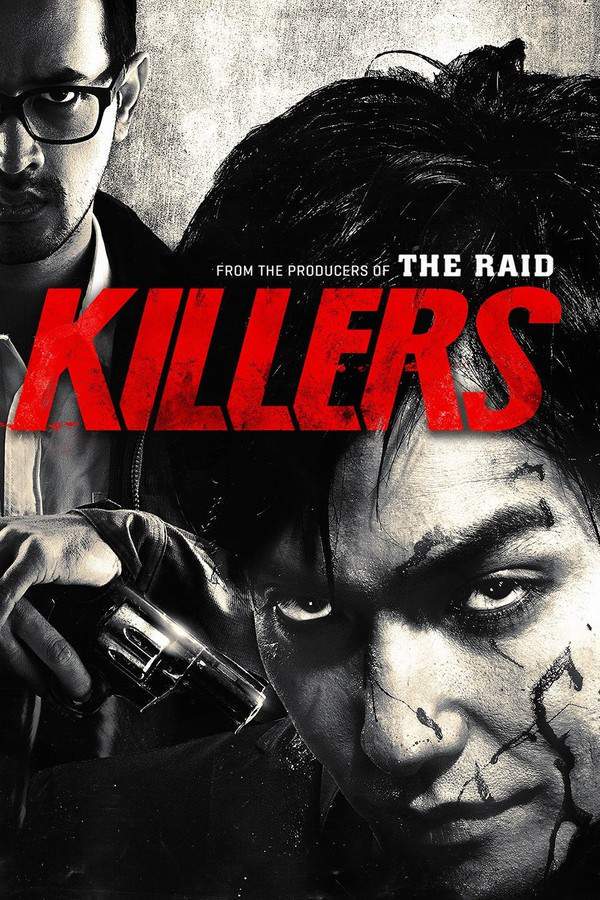
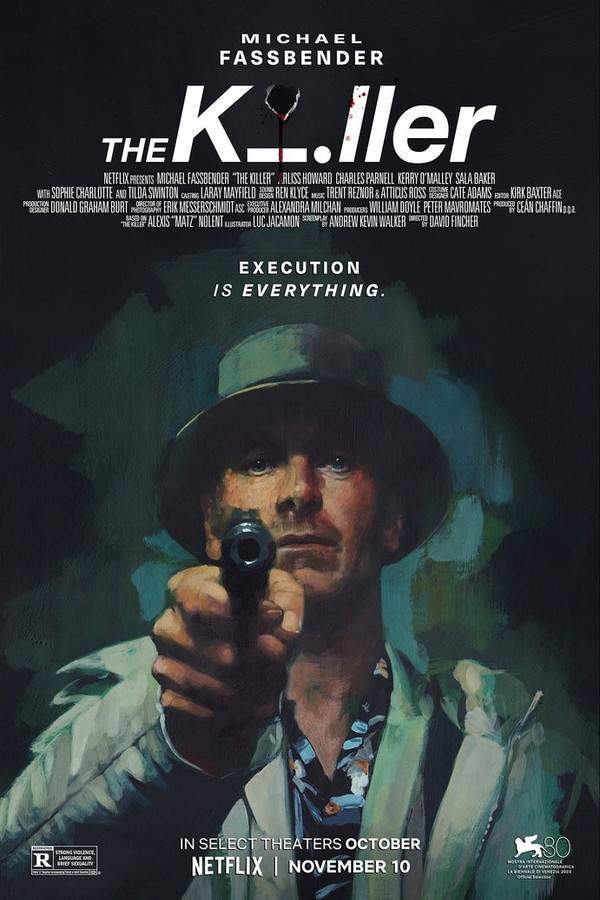
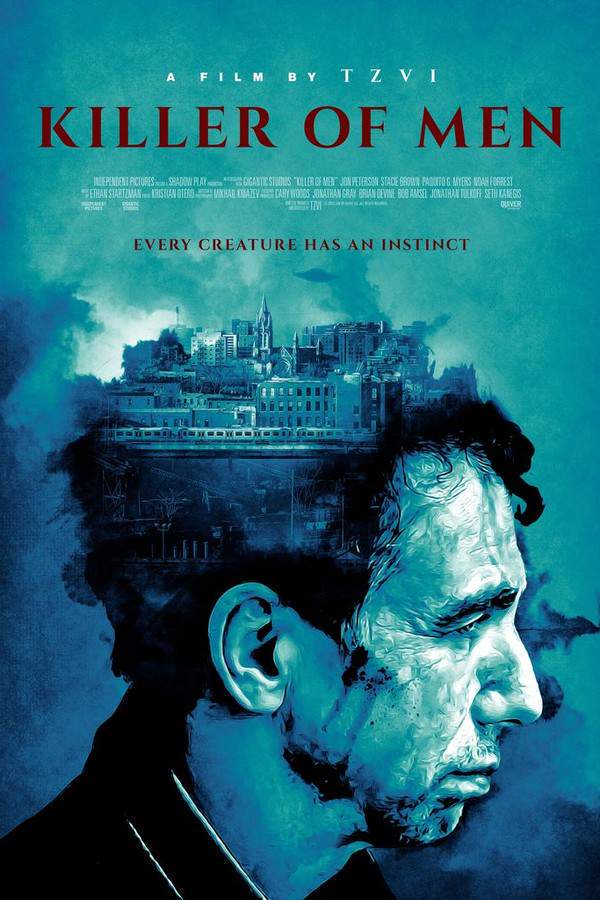





Quick Links: Summary, Cast, Ratings, More

What's After the Movie?
Not sure whether to stay after the credits? Find out!
Check out our other apps:

SAT Sphere
Build confidence for the Digital SAT.

Mori Atlas
Discover wild places worth protecting.

Luntero
Search smarter for a home in Amsterdam.

Plot Explained
Unravel movie endings and hidden clues.

Pokechamp
Dive into Pokémon data and battle logic.

Driving Theory
Get ready for your European theory test.

Movie Dust
Plan your next cinema trip with ease.

Musemap
Find art and culture as you travel.

Selkobase
Compare credentials before committing.

Local Manual
Turn an unfamiliar country into practical next steps.

Lernavi
Compare school systems before your next move.

GymRoam
Find a workout stop wherever your plans take you.
Explore Our Movie Platform
New Movie Releases (2026)
Famous Movie Actors
Top Film Production Studios
Movie Plot Summaries & Endings
Major Movie Awards & Winners
Best Concert Films & Music Documentaries
Movie Collections and Curated Lists
© 2026 What's After the Movie. All rights reserved.
Privacy Policy