Kaos 1984

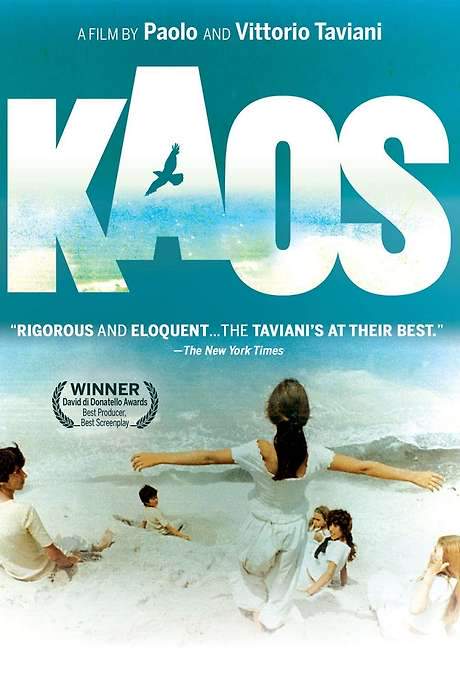
Five stories center on a werewolf, a feudal landlord, peasants, a ghost, and a mother and her sons.

Does Kaos have end credit scenes?
No!
Kaos does not have end credit scenes. You can leave when the credits roll.
Where to Watch Kaos
See current US streaming, rental, and purchase options for Kaos (1984) via JustWatch.








Meet the Full Cast and Actors of Kaos
Explore the complete cast of Kaos, including both lead and supporting actors. Learn who plays each character, discover their past roles and achievements, and find out what makes this ensemble cast stand out in the world of film and television.
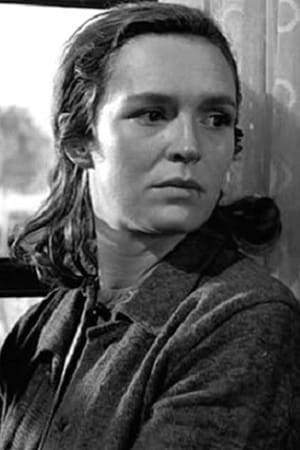
Margarita Lozano
Mariagrazia (segment "L'altro figlio")
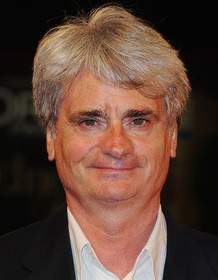
Claudio Bigagli
Batà (segment "Mal di luna")

Massimo Bonetti
Saro (segments "Mal di luna" and "Colloquio con la madre")
Tony Sperandeo
Omero Antonutti
Luigi Pirandello (segment "Colloquio con la madre")
Biagio Barone
Salvatore (segment "Requiem")
Laura Mollica
The girl / Francesca (segments "L'altro figlio" and "Requiem")
Domenico Gennaro
Regina Bianchi
Mother of Pirandello (segment "Colloquio con la madre")
Enrica Maria Modugno
Sidora (segment "Mal di luna")
Mariella Lo Sardo
Sara (segment "La giara")
Carlo Cartier
The Young Doctor (segment "L'altro figlio")
Franco Franchi
Zi' Dima (segment "La giara")
Ciccio Ingrassia
Don Lollò (segment "La giara")
Orazio Torrisi
Comizzi (segment "L'altro figlio")
Giovanni Marsala
Jeli (segment "La giara")
External Links and Streaming Options
Discover where to watch Kaos online, including streaming platforms, rental options, and official sources. Compare reviews, ratings, and in-depth movie information across sites like IMDb, TMDb, Wikipedia or Letterboxd.




Full Plot Summary and Ending Explained for Kaos
Read the complete plot summary of Kaos, including all major events, twists, and the full ending explained in detail. Explore key characters, themes, hidden meanings, and everything you need to understand the story from beginning to end.
Across Sicily, in the late 19th century and the early 20th, a tapestry of four stories unfolds with a quiet, intimate realism. A crow acts as a roaming thread that ties the tales together: captured by villagers in a brief opening moment, bells are tied to its neck and it is freed to circle above them, its ringing serving as a herald that can signal misfortune or renewal, all underscored by a recurring musical leitmotif. The crow also stands as a symbol of social marginalization, since in the opening scene it is caught while incubating eggs despite being male; the peasants torment it before releasing it, a image that frames the film’s moral center. In the first tale L’altro figlio, Mariagrazia, Margarita Lozano appears as a key figure who navigates the pressures of family and tradition within a society on the cusp of change. The piece gently explores how those on the edges of respectability endure, endure, then attempt to find footing within stubborn social constraints.
The stories deliberately focus on social outcasts, and the dramatic arc of the first three offers moments of painful acceptance, renewal, and quiet triumph. In the second tale, Mal di luna, the world is seen through the eyes of the man at its margins, with Batà, Claudio Bigagli among the cast, and through the lives threaded by Saro, Massimo Bonetti. The uneasy tenderness of the era surfaces as Saro’s fate brushes against the lives of those around him, touching Sidora, Enrica Maria Modugno as a figure who embodies the era’s fragile optimism, and the segment Colloquio con la madre where Luigi Pirandello, Omero Antonutti, speaks with his mother, Regina Bianchi. These threads explore the tension between social judgment and personal longing, hinting at renewal and consolation even in the wake of hardship. The same circle returns to Francesca, the girl in L’altro figlio and Requiem, who is portrayed by Laura Mollica, weaving a throughline of youth, memory, and the weight of expectation across the films’ mosaic.
The film remains essentially anchored in realism, yet it is threaded with delicate, fleeting surreal moments that catch the eye. In nearly every episode there are subtle allusions to other parts of the film—surprises that become more apparent on repeated viewings. A restrained silence punctuates key moments, creating a counterpoint to the plot’s sometimes brisk, social realism. This quiet surrealism appears in scenes such as the cruel game of Rocco Trupia’s gang in the first story, the dance around the jar in the third, and the dispersal of a demonstration in the fourth, each interrupting the normal rhythm with a calm, almost breathless stillness that lingers after the moment passes.
The latter chapters broaden the scope of the storytelling, drawing in new faces and settings while preserving the same core interest in people living on the fringes of their communities. In La giara, the final tale, the circle closes with the peasants from the opening reappearing as the lives on the margins intersect once more. Here Sara, Mariella Lo Sardo, along with Zi’ Dima, Franco Franchi, Don Lollò, Ciccio Ingrassia, and Jeli, Giovanni Marsala, inhabit a story built around social bonds, rumor, and stubborn endurance. The way these figures interact, with dignity and a touch of humor, underscores the film’s belief in resilience and community even when life is hard.
Throughout, the film’s voice stays calm, observant, and human. It is not afraid to linger on small, almost invisible moments—the look of a child, a shared silenced breath, a gesture that says more than words—while still offering a clear throughline about marginal lives, their trials, and their quiet victories. The crow’s leitmotif returns as a soft reminder that fortune can bend, sometimes gently, sometimes with a rough edge, and that the world’s margins hold stories worth telling with honesty and care. The result is a piece that feels both true to its place and time and generous in its attention to people who live just outside the center of the village’s gaze.

Coming soon on iOS and Android
The Plot Explained Mobile App
From blockbusters to hidden gems — dive into movie stories anytime, anywhere. Save your favorites, discover plots faster, and never miss a twist again.
Sign up to be the first to know when we launch. Your email stays private — always.
Explore the mobile appDiscover Film Music Concerts Near You – Live Orchestras Performing Iconic Movie Soundtracks
Immerse yourself in the magic of cinema with live orchestral performances of your favorite film scores. From sweeping Hollywood blockbusters and animated classics to epic fantasy soundtracks, our curated listings connect you to upcoming film music events worldwide.
Explore concert film screenings paired with full orchestra concerts, read detailed event information, and secure your tickets for unforgettable evenings celebrating legendary composers like John Williams, Hans Zimmer, and more.


Kaos Themes and Keywords
Discover the central themes, ideas, and keywords that define the movie’s story, tone, and message. Analyze the film’s deeper meanings, genre influences, and recurring concepts.
Kaos Other Names and Titles
Explore the various alternative titles, translations, and other names used for Kaos across different regions and languages. Understand how the film is marketed and recognized worldwide.
Similar Movies To Kaos You Should Know About
Browse a curated list of movies similar in genre, tone, characters, or story structure. Discover new titles like the one you're watching, perfect for fans of related plots, vibes, or cinematic styles.





Quick Links: Summary, Cast, Ratings, More

What's After the Movie?
Not sure whether to stay after the credits? Find out!
Check out our other apps:

SAT Sphere
Build confidence for the Digital SAT.

Mori Atlas
Discover wild places worth protecting.

Luntero
Search smarter for a home in Amsterdam.

Plot Explained
Unravel movie endings and hidden clues.

Pokechamp
Dive into Pokémon data and battle logic.

Driving Theory
Get ready for your European theory test.

Movie Dust
Plan your next cinema trip with ease.

Musemap
Find art and culture as you travel.

Selkobase
Compare credentials before committing.

Local Manual
Turn an unfamiliar country into practical next steps.

Lernavi
Compare school systems before your next move.

GymRoam
Find a workout stop wherever your plans take you.
Explore Our Movie Platform
New Movie Releases (2026)
Famous Movie Actors
Top Film Production Studios
Movie Plot Summaries & Endings
Major Movie Awards & Winners
Best Concert Films & Music Documentaries
Movie Collections and Curated Lists
© 2026 What's After the Movie. All rights reserved.
Privacy Policy