Joji 2021


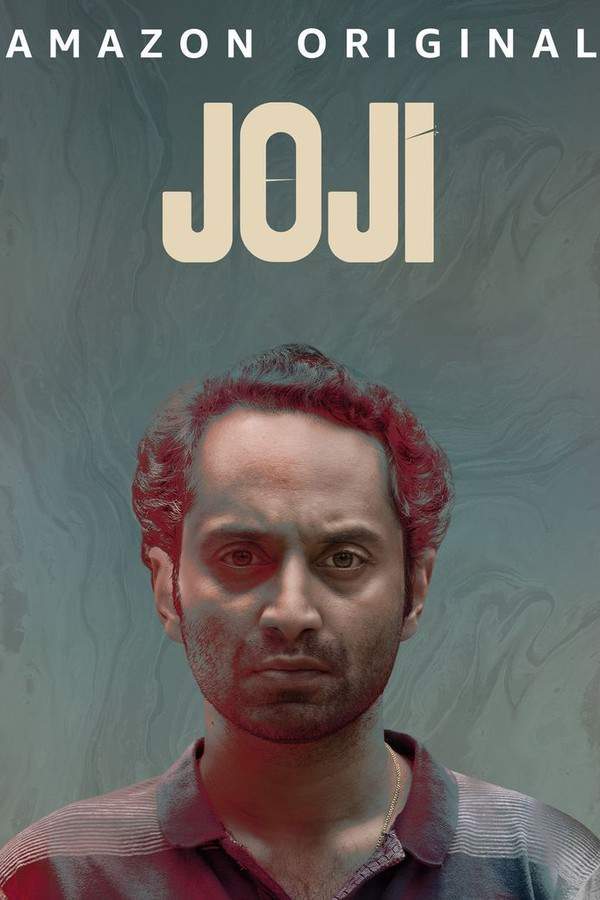
The youngest son of a wealthy family, Joji drops out of engineering to pursue dreams of immense riches. Driven by ambition and greed, he embarks on a plan following a significant event that impacts his family. His pursuit of wealth leads him down a complex and morally ambiguous path, testing his relationships and ultimately revealing the darker side of desire.

Does Joji have end credit scenes?
No!
Joji does not have end credit scenes. You can leave when the credits roll.
Where to Watch Joji
See current US streaming, rental, and purchase options for Joji (2021) via JustWatch.


Streaming availability powered by 
Meet the Full Cast and Actors of Joji
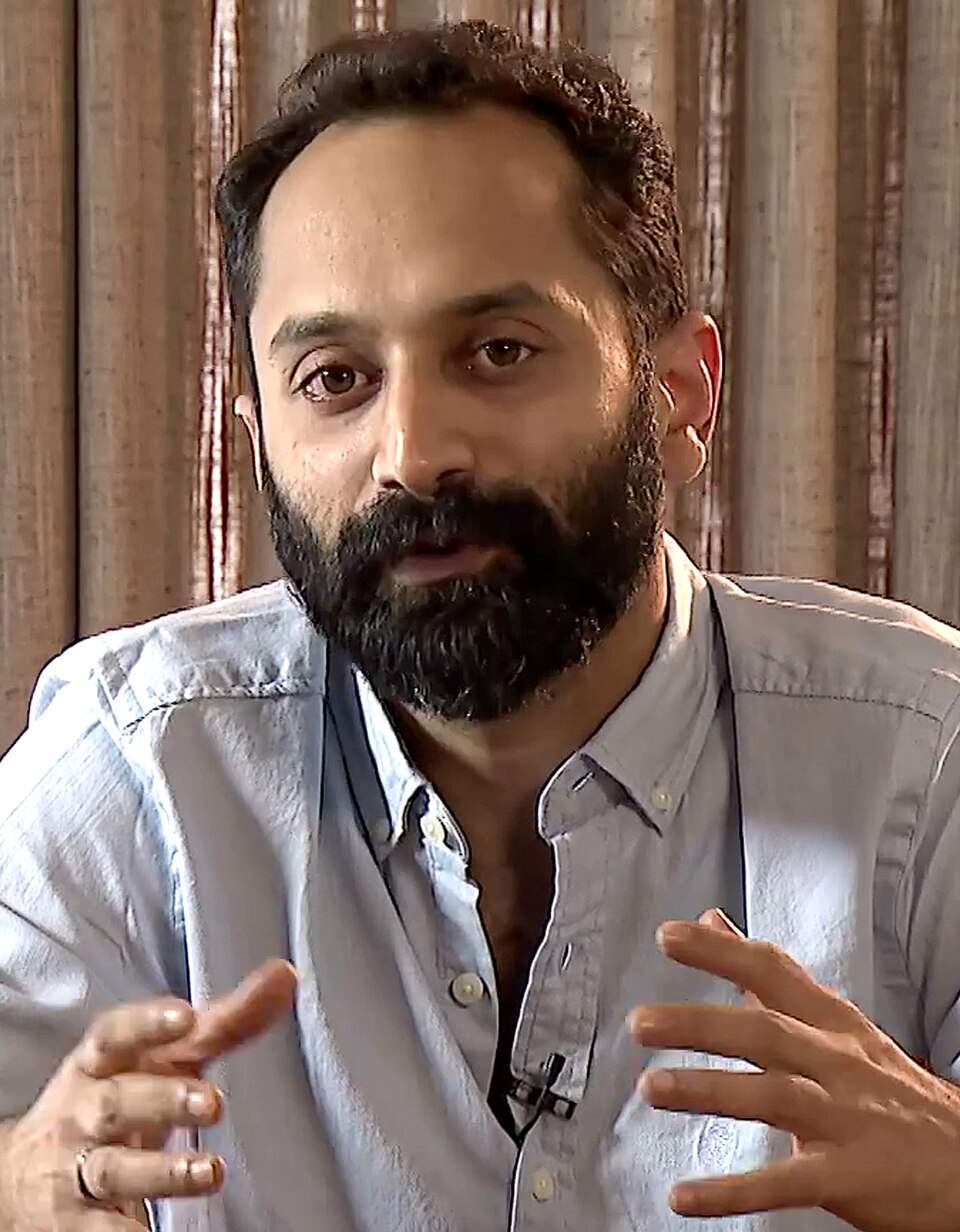
Explore the complete cast of Joji, including both lead and supporting actors. Learn who plays each character, discover their past roles and achievements, and find out what makes this ensemble cast stand out in the world of film and television.

External Links and Streaming Options
Discover where to watch Joji online, including streaming platforms, rental options, and official sources. Compare reviews, ratings, and in-depth movie information across sites like IMDb, TMDb, Wikipedia or Rotten Tomatoes.







Ratings and Reviews for Joji
See how Joji is rated across major platforms like IMDb, Metacritic, and TMDb. Compare audience scores and critic reviews to understand where Joji stands among top-rated movies in its genre.

The Movie Echo Score
The film excels in visual craftsmanship and performances, though its deliberate pacing divides viewers. In terms of art and craft, reviewers frequently cite the lush cinematography and meticulous framing as standout elements, while the soundtrack’s measured use of tension received broad praise. Character portrayal garnered acclaim for its subtle emotional undercurrents, even as some noted limited depth in secondary figures. The narrative’s slow-burning structure and ironical tone inspired engagement for many, though its predictability and languid moments temper its universal appeal. Overall, the net impression is of a compelling but occasionally uneven thriller.
The Movie Echo Score Breakdown for Joji

Art & Craft
In terms of art and craft, the film’s visual composition stands out as its greatest asset. Multiple observers praise the lush, wide-angle framing of Kerala’s landscape and precise shot construction that heighten thematic tension. Production design and editing receive commendations for their seamless integration with narrative development. The film’s visual elegance consistently reinforces its mood, yielding a cohesive aesthetic that anchors the viewer’s experience.

Character & Emotion
In terms of character and emotion, performances anchor the film’s psychological depth. The lead portrayal is noted for its nuanced restraint and expressive subtlety, while supporting roles contribute credible familial dynamics. Some viewers, however, found secondary figures less fully realized, limiting emotional resonance at moments. On balance, the cast’s measured performances sustain the film’s unsettling tone and lend credibility to its moral explorations.

Story & Flow
When it comes to story and flow, the film delivers a taut narrative framework infused with dark humor. Early pacing is deliberate, allowing tension to accumulate through measured developments, though some viewers cite predictability and sparse plot twists. The script’s adaptation of classical motifs supports thematic coherence, while the climactic progression offers a stark commentary on patriarchal decline. Overall, the story engages effectively despite its occasional narrative familiarity.

Sensory Experience
In terms of sensory experience, the background score and sound design are consistently highlighted for their catalytic tension-building qualities. Observers commend the score’s sparse orchestration and strategic restraint, which amplify key dramatic moments. Visual styling and color grading further enhance the film’s moody atmosphere with understated palettes. Collectively, these sensory elements combine to sustain an immersive and suspenseful viewing environment throughout the runtime.

Rewatch Factor
When considering rewatch factor, the film’s layered thematic underpinnings and subtle visual motifs invite additional viewings. The deliberate pacing and gradual revelation of character motives reward attentive repeat watches, even as its slow burn may deter some audiences. The interplay between tonal irony and tension suggests enduring appeal for those who appreciate measured storytelling. Ultimately, its nuanced structure offers a durable experience that can sustain ongoing viewer interest.

7.8 /10
IMDb Rating

3.8
From 66 fan ratings
Full Plot Summary and Ending Explained for Joji
Read the complete plot summary of Joji, including all major events, twists, and the full ending explained in detail. Explore key characters, themes, hidden meanings, and everything you need to understand the story from beginning to end.
Joji, an engineering dropout, drifts through a tense, tightly controlled life with his elder brothers Jomon and Jaison, under the stern thumb of their father, Kuttappan. The family circle also includes Jaison’s wife, Bincy, and Jomon’s teenage son, Popy. They inhabit a sprawling house set amid a vast plantation in the high ranges of Kerala, a place shadowed by the persistent storm of a COVID-era world. Joji often presents a milder appearance than his imposing father and brothers, yet there are quiet, almost uneasy connections with Bincy and Popy that hint at something more underneath the surface.
Kuttappan, a physically imposing man at 74, remains the undisputed head of the family, while Jomon, a divorcee, tends to the agricultural side of the estate, and Jaison runs their town ventures. Joji’s own attempts at business have mostly failed, leaving him financially dependent on his father, who does not hesitate to use harsh discipline to maintain control. Bincy keeps the household running, forever busy in the kitchen, and the family’s yard features a pond tended by workers, including Gireesh and Sudhi. A crucial moment arrives when Kuttappan manages to free a heavy valve stuck in the mud, only to suffer a stroke and be hospitalized. In a discussion with the close circle, Dr. Felix reveals that Kuttappan is paralyzed and the prognosis is grim, while Joji briefly glimpses a glimmer of hope when he manages to sell his horse to buyers in the yard.
As Kuttappan returns home bedridden and unable to speak, the household’s dynamics tighten around fear, resentment, and whispered hopes. Jomon’s anger at the collapse of the old order grows clear, while others quietly entertain the notion that Kuttappan’s time may be running out. Joji, ever the quiet observer, visits his father and provocatively mocks the paralyzed hand that had once wielded abuse. When Kuttappan’s condition worsens, Jomon pushes for a risky surgery, which, against the odds, proves successful. The old man comes home again, this time confined to a wheelchair, and life at the house seems to fall back into familiar patterns of control and fear.
The family faces new strains when Jaison asks for funds to buy a house in town, only to be scornfully rejected by Kuttappan. The elder patriarch regains enough strength to sign a cheque, signaling an unsettling recovery, and Bincy vents her frustrations to Joji. Seizing the moment, Joji resolves to challenge his father’s dominance, but a brutal moment follows as Kuttappan chokes Joji with his left hand and jeers at him. In a desperate bid to reclaim control, Joji initiates a plan to end his father’s life by secretly replacing his daily medications with look-alike pills. Bincy witnesses something that chills her: a conspiracy that could end in murder, yet she keeps quiet because she and Jaison both fear losing what little leverage they have left. Joji’s gambit succeeds by the time Kuttappan dies, leaving the house in shocked silence.
The funeral processional becomes a volatile scene, with Jomon’s impulsive act of setting off firecrackers to honor his father’s memory clashing with the church’s priest, Father Kevin. Dr. Felix and the attending doctors convene again to discuss the estate’s partition, while Jomon argues over what would be respectful to Kuttappan’s spirit. Joji steps forward with a proposal that tries to balance competing loyalties, and the family agrees to his plan, though the air remains thick with suspicion and unspoken guilt. Rumors swirl about Kuttappan’s death, and Joji wrestles with nightmares of his father, even attempting to burn all the medicine strips used in the act to erase the evidence. A fire near the pond becomes a telltale sign, and Jomon, who notices the glow, grows more suspicious of Joji’s involvement.
When Sudhi is confronted, he bolts, spilling clues that Nudge Jomon toward Joji’s possible guilt. Realizing that Joji is hiding something, Jomon confronts him; Joji defuses the moment with a sudden, violent exchange—using an air gun borrowed from Popy’s stash to subdue Jomon, then hurling Sudhi’s explosives at him, killing Jomon in a brutal instant. Joji then goes to the police to frame Sudhi for the murder, while Jaison notices the strange changes in Joji’s conduct: he becomes conspicuously religious and distant, and Bincy begins to question the possibility that Joji could have killed Jomon as well. During the autopsy, pellets from the gun turn up in Jomon’s body, revealing Joji as the unlikely wielder of the weapon—and the only one who knew about the gun, purchased with money stolen from Kuttappan.
Confronted with mounting evidence, Joji insists he is innocent, but the truth feels inescapable. He tries to blackmail Jaison, threatening to implicate him as a co-conspirator if he does not stand with Joji, while Bincy finally confesses that she knew something was wrong. With no viable escape, Joji makes a final, desperate bid for control and attempts suicide by shooting himself with the air gun, leaving behind a suicide note that blames society for his acts. The mid-credits scene reveals a harsher truth: Joji survives, waking in a hospital bed paralyzed, and when a police officer asks him to blink to confess, he deliberately refuses to blink, a chilling, unresolved note to the consequences of his choices.

Coming soon on iOS and Android
The Plot Explained Mobile App
From blockbusters to hidden gems — dive into movie stories anytime, anywhere. Save your favorites, discover plots faster, and never miss a twist again.
Sign up to be the first to know when we launch. Your email stays private — always.
Explore the mobile appWatch Trailers, Clips & Behind-the-Scenes for Joji
Watch official trailers, exclusive clips, cast interviews, and behind-the-scenes footage from Joji. Dive deeper into the making of the film, its standout moments, and key production insights.
Joji Themes and Keywords
Discover the central themes, ideas, and keywords that define the movie’s story, tone, and message. Analyze the film’s deeper meanings, genre influences, and recurring concepts.
Joji Other Names and Titles
Explore the various alternative titles, translations, and other names used for Joji across different regions and languages. Understand how the film is marketed and recognized worldwide.
Similar Movies To Joji You Should Know About
Browse a curated list of movies similar in genre, tone, characters, or story structure. Discover new titles like the one you're watching, perfect for fans of related plots, vibes, or cinematic styles.
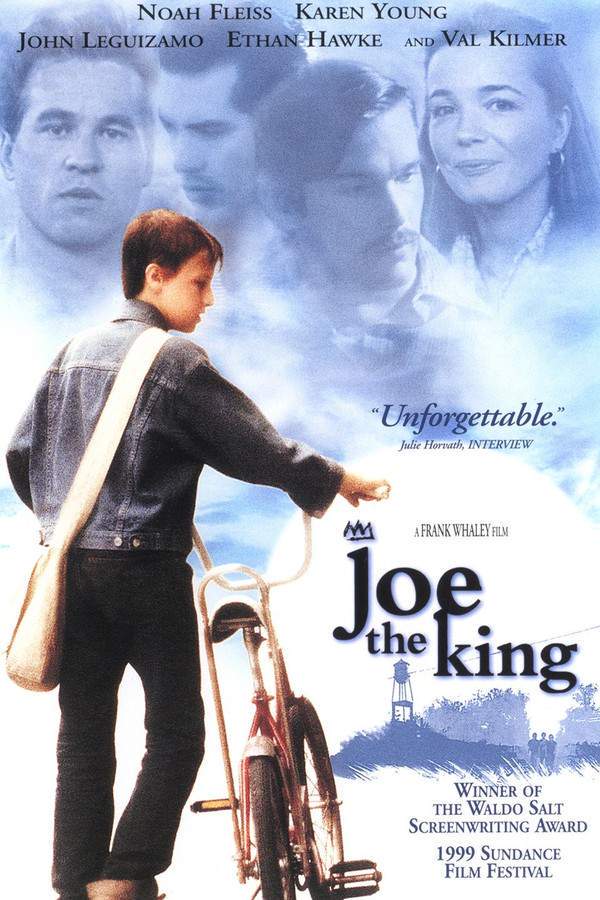
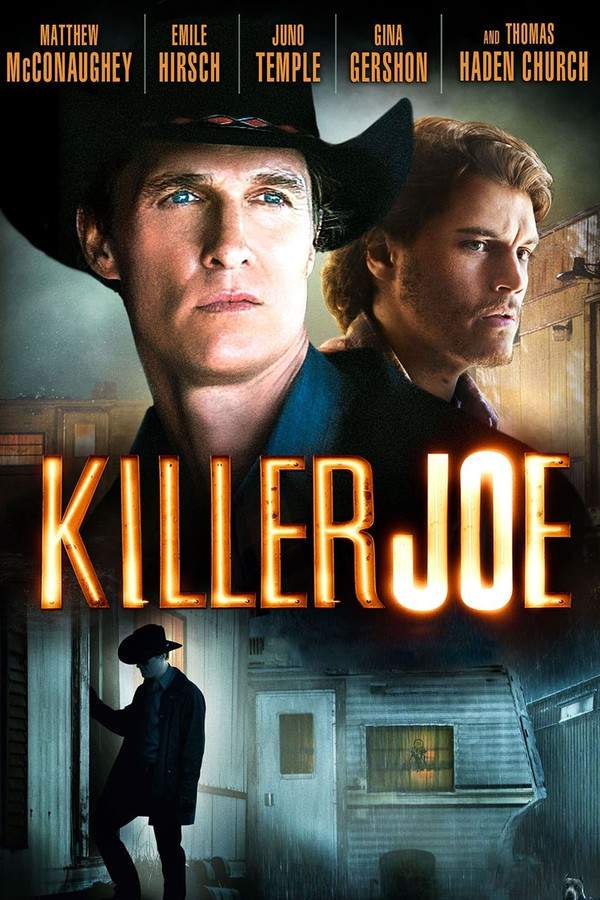







Quick Links: Summary, Cast, Ratings, More

What's After the Movie?
Not sure whether to stay after the credits? Find out!
Check out our other apps:

SAT Sphere
Build confidence for the Digital SAT.

Mori Atlas
Discover wild places worth protecting.

Luntero
Search smarter for a home in Amsterdam.

Plot Explained
Unravel movie endings and hidden clues.

Pokechamp
Dive into Pokémon data and battle logic.

Driving Theory
Get ready for your European theory test.

Movie Dust
Plan your next cinema trip with ease.

Musemap
Find art and culture as you travel.

Selkobase
Compare credentials before committing.

Local Manual
Turn an unfamiliar country into practical next steps.

Lernavi
Compare school systems before your next move.

GymRoam
Find a workout stop wherever your plans take you.
Explore Our Movie Platform
New Movie Releases (2026)
Famous Movie Actors
Top Film Production Studios
Movie Plot Summaries & Endings
Major Movie Awards & Winners
Best Concert Films & Music Documentaries
Movie Collections and Curated Lists
© 2026 What's After the Movie. All rights reserved.
Privacy Policy