It’s Tough Being a Man 1969


Japan’s beloved drifter Tora-san, cast out from his father’s house two decades ago, returns to his aunt, uncle and sister Sakura. He stirs chaos—getting drunk at a marriage meeting, jeopardizing Sakura’s wedding prospects, and generally being a nuisance—yet his heartfelt moments reveal a tender, endearing side that slowly wins you over.


Does It’s Tough Being a Man have end credit scenes?
No!
It’s Tough Being a Man does not have end credit scenes. You can leave when the credits roll.
Meet the Full Cast and Actors of It’s Tough Being a Man
Explore the complete cast of It’s Tough Being a Man, including both lead and supporting actors. Learn who plays each character, discover their past roles and achievements, and find out what makes this ensemble cast stand out in the world of film and television.

Chieko Baisho
Sakura

Takashi Shimura
Hyôichirô Suwa
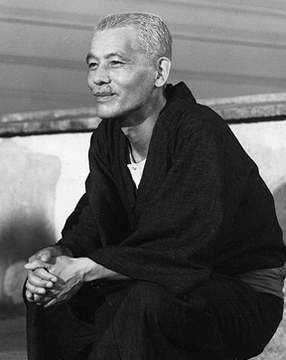
Chishû Ryû
Gozen-sama

Gajirō Satō
Genkichi
Gin Maeda
Hiroshi Suwa
Kiyoshi Atsumi
Torajirô Kuruma
Taichiro Hirokawa
Michio
Kota Mizumori
Taisaku Akino
Noboru Kawamata
Ken'ichi Ishii
Nobuo Takagi
Yoshino Tani
Kiyo Murakami
Haruko Chichibu
Chieko Misaki
Tsune Kuruma
Hisao Dazai
Umetarô Katsura
Keiroku Seki
Shikaisha
Yasuko Goto
Ryōko Mizuki
Kiyoko Tsuji
Ikuko
Shin Morikawa
Ryûzô
Fusatarō Ishijima
Michio's Father
Terumitsu Kawashima
Sachiko Mitsumoto
Fuyuko
Ryûsuke Kita
Matsuko Shiga
Michio's Mother
Kimiyo Ōtsuka
Toshio Ohkubo
Shunsuke Omi
Buchô
Yoshiko Yonemoto
Kazuko Sato
External Links and Streaming Options
Discover where to watch It’s Tough Being a Man online, including streaming platforms, rental options, and official sources. Compare reviews, ratings, and in-depth movie information across sites like IMDb, TMDb, Wikipedia or Letterboxd.




Full Plot Summary and Ending Explained for It’s Tough Being a Man
Read the complete plot summary of It’s Tough Being a Man, including all major events, twists, and the full ending explained in detail. Explore key characters, themes, hidden meanings, and everything you need to understand the story from beginning to end.
Torajiro Kuruma Kiyoshi Atsumi returns to his birthplace, the old neighborhood of Shibamata in Katsushika, Tokyo, after a long absence that began with a fight when he was just fourteen. He arrives in the midst of the Taishakuten temple’s Koshin Shinko Festival, a colorful, almost ceremonial backdrop that mirrors the emotional mix of nostalgia and restlessness tugging at him. In a impulsive burst of energy, he dives into the festival procession, letting the crowd carry him along as if riding a memory back to a place he once knew so well. The scene abruptly shifts to a more intimate stage—the family confectionery shop, Toraya—where a teary reunion unfolds with his uncle and aunt and, most importantly, his sister Sakura Chieko Baisho. The shop, its sweets, and the familiar scent of rice flour and sugar provide a fragile comfort as the siblings and their elders navigate the fragility of time that has stubbornly kept them apart.
The next day brings a social moment that tests Tora’s boundary-pushing instincts. Sakura steps into a matchmaking meeting, or Miai, with the son of a company president, a pairing arranged with traditional expectations in mind. Tora’s boorish humor and heavy, drunken bravado during the proceedings undermine Sakura’s prospects and cast a long shadow over the family’s plans for her future. The tension peaks in a fierce quarrel with his uncle—an outburst that seems to puncture any lingering sense of belonging Tora might have found at Toraya. He leaves, a man caught between a past he cannot fully reclaim and a future that feels out of reach.
In the following month, the journey continues beyond Tokyo as Tora travels with foreign guests and ends up in Nara, a change of pace that allows him to breathe and see the world through fresh eyes. It is there, away from home, that he encounters Fuyuko, the daughter of Gozen-sama Chishû Ryû, a connection that blossoms with an unexpected tenderness. The romance that unfurls between Tora and Fuyuko creates a tender counterpoint to the chaos he leaves behind, signaling a possible new start away from old habits. When they return to Shibamata, their time together begins to resemble something more settled, something that hints at permanence, even if fleeting.
Back in the familiar confines of Sakura’s life, love begins to take shape in a different direction. Sakura meets Hiroshi, a print shop worker whom she eventually grows to trust and care for. Hiroshi is played by Gin Maeda, and his straightforward honesty starts to erode the doubts that Tora had about a life Sakura could have with him. Despite Tora’s initial doubts about Hiroshi—rooted in the all-too-human concern that Hiroshi isn’t climbing the conventional ladder—Hiroshi’s earnest feelings for Sakura win him a place in the family’s regard. The union of Sakura and Hiroshi marks a meaningful shift in the household’s dynamics, one that Tora seems to begin accepting, even as his own romance with Fuyuko remains a fragile thread in the fabric of his life.
As the relationships deepen, the narrative threads pull tighter around Tora. His bond with Fuyuko—though intense and meaningful—proves to be uneven, never quite maturing into the lasting bond one might hope for in such a story. Meanwhile, Fuyuko’s life intersects with the broader world as she becomes part of an evolving web of connections once she is introduced to another man, a development that stirs embarrassment and concern within the family. The emotional weight of this revelation lands squarely on Tora’s shoulders, and the consequences ripple through the clan, culminating in a moment of collective realization that reverberates beyond the immediate circle.
The household’s response to these revelations is tempered by the shared history that binds them. The narrative threads weave together as the family, and Tora, confront the consequences of choices made and paths not taken. In the wake of these events, the aging, reflective voice of the story guides us toward a quiet acceptance that life’s messy, imperfect romance can endure even when plans derail. After a year of distance and introspection, Tora reaches out with a letter of advice for Fuyuko, urging her to help care for his sister Sakura and her new baby. It is a gesture that embodies a sense of responsibility and affection, a wish for lasting care that transcends the shifting tides of romance and time.
This story, grounded in the intimate rituals of family life and the pull of old ties, remains tender and observational in tone. Its humor is gentle and human, never cruel, and its emotional beats arrive not as melodrama but as a nuanced portrait of a man trying to navigate love, loyalty, and the obligations that come with family. The world of Shibamata—its stalls, temples, and everyday rituals—serves not just as a backdrop but as a living character that shapes every choice and every reunion. The result is a rich, patient meditation on the costs and rewards of staying true to one’s kin, even when the self keeps wandering toward other possibilities.
- Note on the cast: Sakura Chieko Baisho and Tsune Kuruma Chieko Misaki anchor the family’s heart, while Gozen-sama Chishû Ryû and Hiroshi Suwa Gin Maeda chart the evolving relationships within the same household. The emotional core centers on Torajiro Kuruma Kiyoshi Atsumi and his sister Sakura, whose lives are inevitably touched by the kindness and mistakes of those around them. Fuyuko Sachiko Mitsumoto provides a counterpoint of young, hopeful love, as does Hiroshi, whose sincerity helps bridge gaps that seemed insurmountable at first glance. The film’s quiet, character-driven arcs unfold with a steady rhythm, inviting the audience to reflect on the enduring ties that bind families together, even as the world around them continues to change.

Coming soon on iOS and Android
The Plot Explained Mobile App
From blockbusters to hidden gems — dive into movie stories anytime, anywhere. Save your favorites, discover plots faster, and never miss a twist again.
Sign up to be the first to know when we launch. Your email stays private — always.
Explore the mobile appDiscover Film Music Concerts Near You – Live Orchestras Performing Iconic Movie Soundtracks
Immerse yourself in the magic of cinema with live orchestral performances of your favorite film scores. From sweeping Hollywood blockbusters and animated classics to epic fantasy soundtracks, our curated listings connect you to upcoming film music events worldwide.
Explore concert film screenings paired with full orchestra concerts, read detailed event information, and secure your tickets for unforgettable evenings celebrating legendary composers like John Williams, Hans Zimmer, and more.


It’s Tough Being a Man Themes and Keywords
Discover the central themes, ideas, and keywords that define the movie’s story, tone, and message. Analyze the film’s deeper meanings, genre influences, and recurring concepts.
It’s Tough Being a Man Other Names and Titles
Explore the various alternative titles, translations, and other names used for It’s Tough Being a Man across different regions and languages. Understand how the film is marketed and recognized worldwide.
Similar Movies To It’s Tough Being a Man You Should Know About
Browse a curated list of movies similar in genre, tone, characters, or story structure. Discover new titles like the one you're watching, perfect for fans of related plots, vibes, or cinematic styles.


Quick Links: Summary, Cast, Ratings, More

What's After the Movie?
Not sure whether to stay after the credits? Find out!
Check out our other apps:

SAT Sphere
Build confidence for the Digital SAT.

Mori Atlas
Discover wild places worth protecting.

Luntero
Search smarter for a home in Amsterdam.

Plot Explained
Unravel movie endings and hidden clues.

Pokechamp
Dive into Pokémon data and battle logic.

Driving Theory
Get ready for your European theory test.

Movie Dust
Plan your next cinema trip with ease.

Musemap
Find art and culture as you travel.

Selkobase
Compare credentials before committing.

Local Manual
Turn an unfamiliar country into practical next steps.

Lernavi
Compare school systems before your next move.

GymRoam
Find a workout stop wherever your plans take you.
Explore Our Movie Platform
New Movie Releases (2026)
Famous Movie Actors
Top Film Production Studios
Movie Plot Summaries & Endings
Major Movie Awards & Winners
Best Concert Films & Music Documentaries
Movie Collections and Curated Lists
© 2026 What's After the Movie. All rights reserved.
Privacy Policy