Gypo 2005

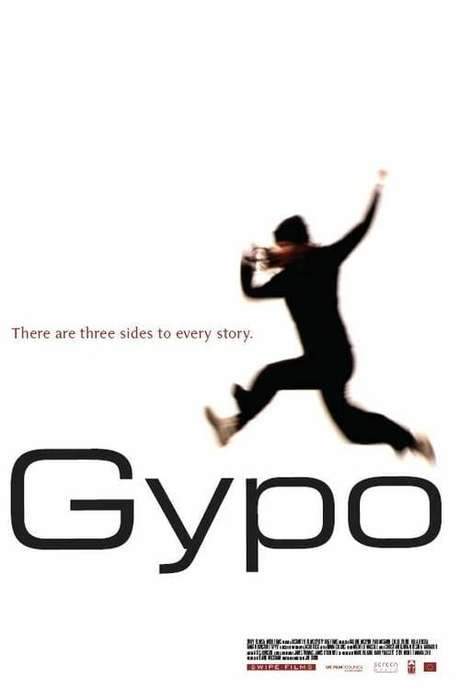
Gypo follows a working‑class family in Margate, Kent, a seaside town where anti‑immigrant sentiment is growing. Over a few weeks their routine is disrupted when a young Czech visitor, Tash, arrives. Shot in the Dogme 95 style with no lighting, costumes, props or sets, the film’s raw handheld aesthetic underscores its gritty, charged narrative.


Does Gypo have end credit scenes?
No!
Gypo does not have end credit scenes. You can leave when the credits roll.
Meet the Full Cast and Actors of Gypo
Explore the complete cast of Gypo, including both lead and supporting actors. Learn who plays each character, discover their past roles and achievements, and find out what makes this ensemble cast stand out in the world of film and television.

Pauline McLynn
Helen

Ashley McGuire
Penny

Chloe Sirene
Tasha
Paul McGann
Paul
James Blanchard
Tall Bully
Olegar Fedoro
Tasha's Father
Josef Altin
Michael
Tom Stuart
Darren
Freddie Connor
Tasha's Husband
James Thomas
Hotelier
Rula Lenska
Irina
Tamzin Dunstone
Kelly
Barry Latchford
Jimmy
Sean Wilton
Art Tutor
Angelica O'Reilly
Prostitute
Rebecca Clow
Terminal Hostess
Majid Iqbal
Illegal Worker
Claire Angus
Irina's Neighbour
Clara Clow
Baby Jordan
Charlotte Edmundson
Katy
External Links and Streaming Options
Discover where to watch Gypo online, including streaming platforms, rental options, and official sources. Compare reviews, ratings, and in-depth movie information across sites like IMDb, TMDb, Wikipedia or Rotten Tomatoes.







Full Plot Summary and Ending Explained for Gypo
Read the complete plot summary of Gypo, including all major events, twists, and the full ending explained in detail. Explore key characters, themes, hidden meanings, and everything you need to understand the story from beginning to end.
Gypo traces the slow disintegration of a working-class family in a small English coastal town after their teenage daughter befriends a young Romani refugee from the Czech Republic. The story unfolds through three overlapping perspectives — Paul McGann, Pauline McLynn, and Chloe Sirene — with key events revisited from each character’s point of view, exposing contradictions in memory and motive. This framing invites the audience to weigh what really happened from different angles, highlighting how personal biases, past hurts, and hidden agendas shape what each teller believes and recalls.
As the friendship between the teenage daughter and the Romani refugee develops, neighborhood suspicion, institutional indifference, and private tensions within the household escalate into confrontations that reveal prejudice, fear, and personal failings. The tensions spill over into conversations and moments that feel both intimate and public, pulling in neighbors, authorities, and the everyday texture of the town. The film emphasizes how small decisions or overheard comments can tilt perceptions and seed misunderstandings that echo through days and nights.
The Rashomon‑like structure forces the audience to weigh competing versions of the same incidents, gradually uncovering hidden motives and small betrayals that contribute to the family’s breakdown. Memory becomes a contested space, and what feels like a settled truth in one scene can be called into question in the next, creating a layered map of cause and effect that refuses neat conclusions. The result is a narrative that questions how easily trust is built—and how quickly it can fracture under fear, rumor, and fear of difference.
Stylistically, Gypo employs a naturalistic, improvisatory approach influenced by Dogme 95, using handheld camerawork and improvised dialogue to create a documentary-adjacent immediacy that makes the story feel lived-in and urgent. The filmmakers lean into spontaneity and proximity, letting scenes breathe and letting characters speak in unguarded ways that reveal their anxieties and vulnerabilities. This technique deepens the sense that viewers are witnessing real, messy human drama unfold in real time, rather than watching a neatly plotted tale.
The climax dramatizes the social and personal consequences for the family and the Romani girl, and the film closes on an ambiguous note that resists tidy moral resolution. Rather than delivering a clear verdict, it leaves the audience to ponder questions of prejudice, responsibility, and the price of miscommunication, long after the final image fades. In the end, Gypo invites reflection on how communities handle difference, how memory can betray truth, and how small acts of fear can reverberate through a family long after the moment has passed.

Coming soon on iOS and Android
The Plot Explained Mobile App
From blockbusters to hidden gems — dive into movie stories anytime, anywhere. Save your favorites, discover plots faster, and never miss a twist again.
Sign up to be the first to know when we launch. Your email stays private — always.
Explore the mobile appDiscover Film Music Concerts Near You – Live Orchestras Performing Iconic Movie Soundtracks
Immerse yourself in the magic of cinema with live orchestral performances of your favorite film scores. From sweeping Hollywood blockbusters and animated classics to epic fantasy soundtracks, our curated listings connect you to upcoming film music events worldwide.
Explore concert film screenings paired with full orchestra concerts, read detailed event information, and secure your tickets for unforgettable evenings celebrating legendary composers like John Williams, Hans Zimmer, and more.


Gypo Themes and Keywords
Discover the central themes, ideas, and keywords that define the movie’s story, tone, and message. Analyze the film’s deeper meanings, genre influences, and recurring concepts.
Gypo Other Names and Titles
Explore the various alternative titles, translations, and other names used for Gypo across different regions and languages. Understand how the film is marketed and recognized worldwide.
Similar Movies To Gypo You Should Know About
Browse a curated list of movies similar in genre, tone, characters, or story structure. Discover new titles like the one you're watching, perfect for fans of related plots, vibes, or cinematic styles.










Quick Links: Summary, Cast, Ratings, More

What's After the Movie?
Not sure whether to stay after the credits? Find out!
Check out our other apps:

SAT Sphere
Build confidence for the Digital SAT.

Mori Atlas
Discover wild places worth protecting.

Luntero
Search smarter for a home in Amsterdam.

Plot Explained
Unravel movie endings and hidden clues.

Pokechamp
Dive into Pokémon data and battle logic.

Driving Theory
Get ready for your European theory test.

Movie Dust
Plan your next cinema trip with ease.

Musemap
Find art and culture as you travel.

Selkobase
Compare credentials before committing.

Local Manual
Turn an unfamiliar country into practical next steps.

Lernavi
Compare school systems before your next move.

GymRoam
Find a workout stop wherever your plans take you.
Explore Our Movie Platform
New Movie Releases (2026)
Famous Movie Actors
Top Film Production Studios
Movie Plot Summaries & Endings
Major Movie Awards & Winners
Best Concert Films & Music Documentaries
Movie Collections and Curated Lists
© 2026 What's After the Movie. All rights reserved.
Privacy Policy