Good Night, and Good Luck 2025



This stage adaptation, livestreamed from the Winter Garden Theatre, explores the conflict between journalist Edward R. Murrow and Senator Joseph McCarthy during the anti-communist campaigns of the early 1950s. The production recounts Murrow’s courageous stand against McCarthy’s increasingly controversial tactics and the impact it had on his career and the nation. It’s a powerful portrayal of integrity and the importance of defending freedom of speech.



Does Good Night, and Good Luck have end credit scenes?
No!
Good Night, and Good Luck does not have end credit scenes. You can leave when the credits roll.
Where to Watch Good Night, and Good Luck
See current US streaming, rental, and purchase options for Good Night, and Good Luck (2025) via JustWatch.







Meet the Full Cast and Actors of Good Night, and Good Luck
Explore the complete cast of Good Night, and Good Luck, including both lead and supporting actors. Learn who plays each character, discover their past roles and achievements, and find out what makes this ensemble cast stand out in the world of film and television.
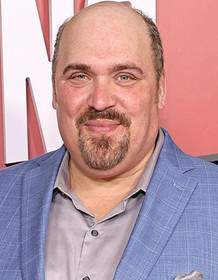
Glenn Fleshler
Fred W. Friendly
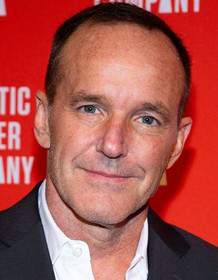
Clark Gregg
Don Hollenbeck
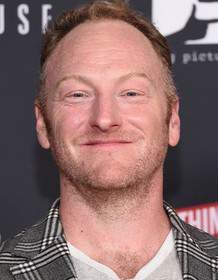
Mac Brandt
Colonel Anderson

George Clooney
Edward R. Murrow
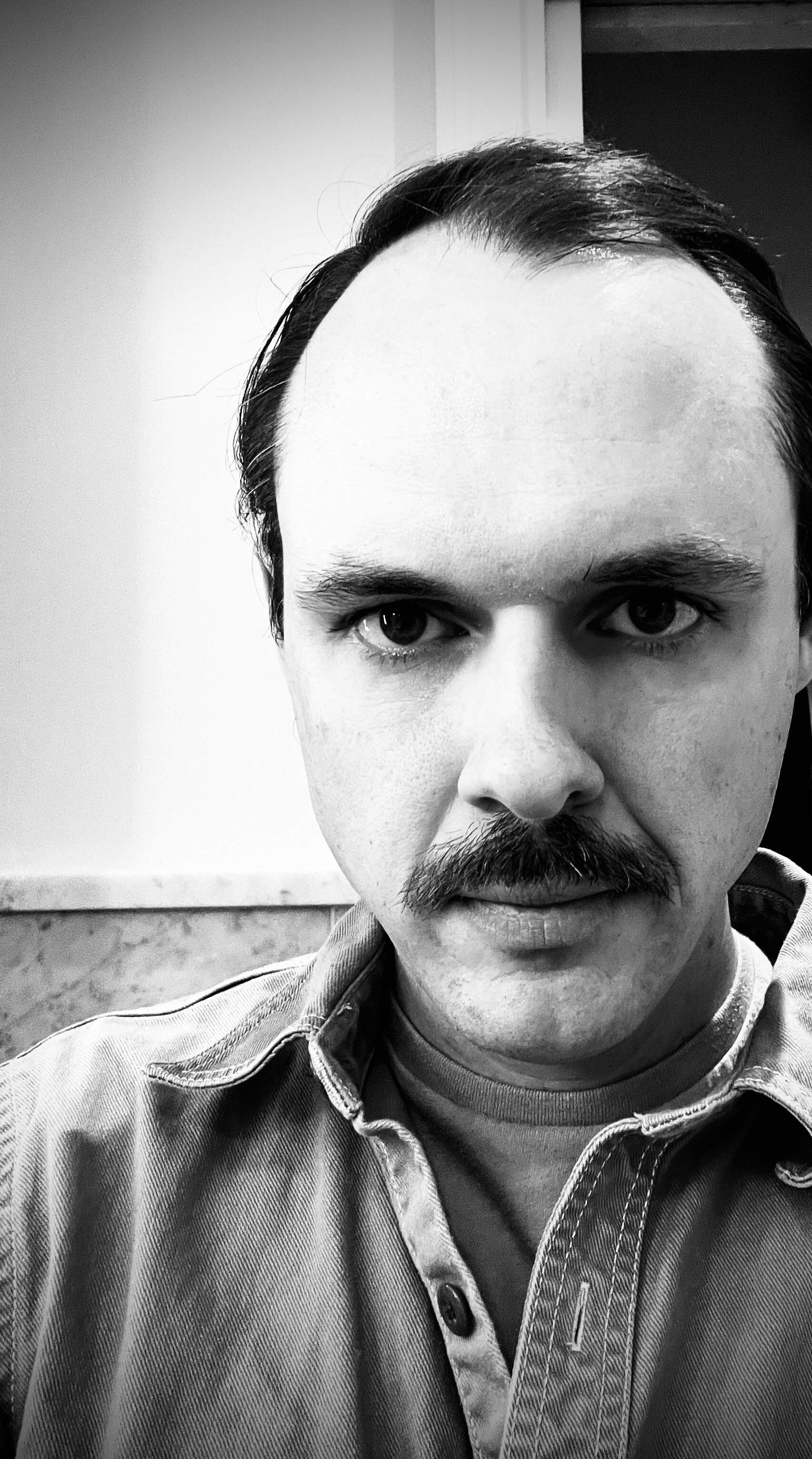
Christopher Denham
John Aaron

Andrew Polk
Charlie Mack
Ilana Glazer
Shirley Wershba
Aaron Roman Weiner
Don Surine
R. Ward Duffy
CBS Staff
Joe Forbrich
CBS Staff
Michael Nathanson
Eddie Scott
Will Dagger
Don Hewitt
JD Taylor
CBS Staff
Greg Stuhr
Georgia Heers
Ella / Jazz Singer
Carter Hudson
Joseph Wershba
Jennifer Morris
Millie Green
Imani Rousselle
CBS Staff
Sophia Tzougros
CBS Staff
External Links and Streaming Options
Discover where to watch Good Night, and Good Luck online, including streaming platforms, rental options, and official sources. Compare reviews, ratings, and in-depth movie information across sites like IMDb, TMDb, Wikipedia or Rotten Tomatoes.






Ratings and Reviews for Good Night, and Good Luck
See how Good Night, and Good Luck is rated across major platforms like IMDb, Metacritic, and TMDb. Compare audience scores and critic reviews to understand where Good Night, and Good Luck stands among top-rated movies in its genre.


%
TOMATOMETER

0%
User Score

7.6 /10
IMDb Rating

71
%
User Score
Take the Ultimate Good Night, and Good Luck Movie Quiz
Challenge your knowledge of Good Night, and Good Luck with this fun and interactive movie quiz. Test yourself on key plot points, iconic characters, hidden details, and memorable moments to see how well you really know the film.
Good Night, and Good Luck (2025) Movie Quiz: A quiz about the key events, characters, and themes of the 2025 film 'Good Night, and Good Luck'.
On what date does the film 'Good Night, and Good Luck' primarily open with Ed Murrow's speech?
Full Plot Summary and Ending Explained for Good Night, and Good Luck
Read the complete plot summary of Good Night, and Good Luck, including all major events, twists, and the full ending explained in detail. Explore key characters, themes, hidden meanings, and everything you need to understand the story from beginning to end.
On October 25, 1958, during a special event called “A Salute to Edward R Murrow,” George Clooney delivers a speech that references Senator McCarthy among other political figures. The film then shifts back in time to October 14, 1953, taking place within the CBS Studios, where on-screen titles inform viewers that McCarthy has claimed there are over 200 Communists working within the US government. This sets the stage for a tense and politically charged atmosphere surrounding the era of McCarthyism.
The story follows Fred Friendly, Clark Gregg, and the rest of the CBS news team as they prepare for upcoming episodes. During this period, Murrow, played by [George Clooney], openly states his intention to scrutinize the American military. This comes after the military has tried and convicted [Milo Radulovich] because his family members, including his sister and father, were accused of having communist sympathies. Murrow points out that the charges against Radulovich were kept in a sealed envelope, unseen by the public, raising questions about the transparency and fairness of the military tribunals. He emphasizes the need to investigate the story further to determine if it warrants coverage on their show.
Several days later, Joseph Wershba, a CBS correspondent, interviews Radulovich, and the footage is reviewed by [Friendly] and [Sig Mickelson], the CBS director. Mickelson criticizes the report for being unbalanced, accusing Wershba of editorializing—highlighting the tensions between journalistic integrity and corporate influence. Despite pressure from military officials attempting to dissuade CBS from airing the story, the network proceeds with broadcasting the segment on Murrow’s program, See It Now.
As the narrative unfolds, the focus narrows onto [McCarthy], portrayed by [George Clooney], with the news team systematically challenging his claims. One notable segment involves McCarthy accusing a man who had received legal representation from the ACLU in 1932 of being a communist—a charge that was tested and debunked during the show. Murrow himself invites Senator McCarthy to appear on the program to defend his accusations, leading to a confrontational exchange. Murrow questions McCarthy’s methods and confronts him about the falsehoods and misinformation that characterized his hearings. He highlights that the ACLU, which McCarthy claims to be linked with, was actually praised by several U.S. presidents, contradicting McCarthy’s assertions.
Throughout the broadcast, Shirley Wershba reads a series of mostly favorable newspaper reports, but tension arises when a journalist named O’Brien accuses Don Hollenbeck of being a “pinko,” a derogatory term implying communist sympathies. The team learns that the Air Force has reinstated Radulovich, reversing its previous decision to dismiss him.
The climax occurs when McCarthy appears live on See It Now on April 6, 1954. Without interruption, McCarthy directly addresses the camera, leveling an unsubstantiated claim that Murrow and his colleagues are communists. This moment signifies the height of McCarthy’s aggressive tactics. In response, Murrow makes a powerful rebuttal, explicitly denying that he was a Communist Party member and criticizing McCarthy’s methods. He also points out how opposition to McCarthy’s tactics is often met with accusations of communism, a tactic used to silence critics.
As the narrative continues, the investigation into McCarthy deepens, leading to charges related to his conduct during the Army–McCarthy hearings. The documentary footage shows [Joseph Welch], the Army’s special counsel, challenging McCarthy’s lack of decency. Meanwhile, the mood in the newsroom turns somber when [Hollenbeck] is revealed to have committed suicide by gassing himself, highlighting the personal toll of the McCarthy era.
The story concludes with the Army–McCarthy hearings footage and Welch asking McCarthy, >“Have you no sense of decency?”—a pivotal moment that exposes McCarthy’s conduct. Following this, William S. Paley, CBS’s chief executive, discusses the fallout with Murrow and Friendly, revealing that the network has lost a major sponsor, which results in only five more episodes of See It Now, and a scheduling change moving the program from Tuesday night to Sunday afternoons. Paley privately tells Friendly that layoffs are imminent, asking a staff member, Joseph Wershba, to choose between layoffs, leading Wershba to volunteer to be let go.
In the closing scenes, [Murrow] delivers a heartfelt speech about the importance of ideas and the power of television to inform and enlighten society. He underscores that television has vast potential to serve the public good but warns that if it becomes just “wires and lights in a box,” it will lose its meaning. Murrow’s closing words serve as a reminder of the crucial role journalism plays in a democracy, ending with his renowned catchphrase, “Good night, and good luck.”
This story not only chronicles a pivotal moment in broadcast history but also emphasizes the enduring importance of courage in journalism and the lasting impact of standing up against tyranny and misinformation.

Coming soon on iOS and Android
The Plot Explained Mobile App
From blockbusters to hidden gems — dive into movie stories anytime, anywhere. Save your favorites, discover plots faster, and never miss a twist again.
Sign up to be the first to know when we launch. Your email stays private — always.
Explore the mobile appWatch Trailers, Clips & Behind-the-Scenes for Good Night, and Good Luck
Watch official trailers, exclusive clips, cast interviews, and behind-the-scenes footage from Good Night, and Good Luck. Dive deeper into the making of the film, its standout moments, and key production insights.
Good Night, and Good Luck Other Names and Titles
Explore the various alternative titles, translations, and other names used for Good Night, and Good Luck across different regions and languages. Understand how the film is marketed and recognized worldwide.
Quick Links: Summary, Cast, Ratings, More

What's After the Movie?
Not sure whether to stay after the credits? Find out!
Check out our other apps:

SAT Sphere
Build confidence for the Digital SAT.

Mori Atlas
Discover wild places worth protecting.

Luntero
Search smarter for a home in Amsterdam.

Plot Explained
Unravel movie endings and hidden clues.

Pokechamp
Dive into Pokémon data and battle logic.

Driving Theory
Get ready for your European theory test.

Movie Dust
Plan your next cinema trip with ease.

Musemap
Find art and culture as you travel.

Selkobase
Compare credentials before committing.

Local Manual
Turn an unfamiliar country into practical next steps.

Lernavi
Compare school systems before your next move.

GymRoam
Find a workout stop wherever your plans take you.
Explore Our Movie Platform
New Movie Releases (2026)
Famous Movie Actors
Top Film Production Studios
Movie Plot Summaries & Endings
Major Movie Awards & Winners
Best Concert Films & Music Documentaries
Movie Collections and Curated Lists
© 2026 What's After the Movie. All rights reserved.
Privacy Policy