Golden Girl 1951


Against the background of the Civil War, sixteen-year-old song-and-dance artiste Lotta Crabtree works her way across America, becoming ever more popular.

Does Golden Girl have end credit scenes?
No!
Golden Girl does not have end credit scenes. You can leave when the credits roll.
Meet the Full Cast and Actors of Golden Girl
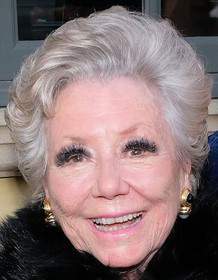
Explore the complete cast of Golden Girl, including both lead and supporting actors. Learn who plays each character, discover their past roles and achievements, and find out what makes this ensemble cast stand out in the world of film and television.


External Links and Streaming Options
Discover where to watch Golden Girl online, including streaming platforms, rental options, and official sources. Compare reviews, ratings, and in-depth movie information across sites like IMDb, TMDb, Wikipedia or Letterboxd.




Full Plot Summary and Ending Explained for Golden Girl
Read the complete plot summary of Golden Girl, including all major events, twists, and the full ending explained in detail. Explore key characters, themes, hidden meanings, and everything you need to understand the story from beginning to end.
In Grass Valley, 1863, the town buzzes with the arrival of a larger-than-life idol and a teenager who dreams of sharing the stage. Lotta Crabtree, brilliantly played by Mitzi Gaynor, is a vivacious girl who adores the idea of becoming a singer, inspired in no small part by the famous Lola Montez Carmen D’Antonio who lands in town. Her parents, Una Merkel as Mary Ann Crabtree and James Barton as John Crabtree, run a bustling boarding house and quietly worry about the cost of chasing fame. The dynamic in the house grows tense as Lotta’s appetite for performance clashes with her parents’ practical concerns, setting up a delicate balance between duty and desire.
Lotta’s heart finds two eager suitors: the local boy Mart Taylor Dennis Day and the older, more enigmatic Tom Richmond Dale Robertson. Tom makes it clear he’s drawn to Lotta, but he’s also the first to remind her—and the audience—that she is barely sixteen, a line she must navigate as she steps toward the spotlight. The story takes a sharp turn when a lodger named Cornelius Raymond Walburn arrives with a gambling pitch—an almost surefire method for winning at roulette that he lures John Crabtree into trying. The gamble is costly: Lotta’s family loses not only money but the security of their boarding house, pushing Lotta to consider a path that mirrors the very hunger for fortune that surrounds her idol Lola Montez.
With her family squeezed by debt, Lotta resolves to replicate Lola Montez’s era-defining financial success, this time by singing for miners in mining camps. The miners respond to her voice with warmth, yet the pay she seeks is guarded; they want more than a pretty song—they want spectacle, which means she must push the boundaries of her costume and performance. The arc accelerates when Lotta’s father wins a San Francisco theater in a card game, thrusting Lotta into a professional arena where she can truly become a star. The ascent from boarding-house hopeful to stage sensation is quick, and it carries its own tension as Lotta travels from the West Coast to New York, chasing the possibilities of a larger stage.
In New York, Lotta’s star rises further, but the journey uncovers a darker thread: Tom Richmond has been robbing to raise money for the Confederate cause, complicating the romance and testing Lotta’s trust in those around her. The Civil War eventually draws to a close, yet the emotional battlefield remains on the stage. In a pivotal moment, Lotta takes the spotlight to sing the rousing “Dixie” in New York, and the crowd’s initial reaction is chilly and skeptical. It’s Mart Taylor who steps forward to bridge the growing rift, turning the moment into a shared musical confession and a communal moment of reconciliation. As he begins to sing, the audience gradually joins in, transforming the performance into a unifying chorus rather than a solitary display.
The city’s mood shifts as the audience moves from resistance to resonance, reflecting a larger truth about show business and history: art can soften wounds and bring people together even in unsettled times. Into this charged finale, Tom Richmond enters the theater, reported as near death from an injury, and Lotta’s feelings flare with a mix of relief and renewed hope. The moment underscores the film’s core message: ambition, loyalty, and love all contend within a world shaped by upheaval, but music has the power to heal and unite.
Throughout the journey, the characters collide with ambition and consequence, offering a portrait of a young performer balancing personal dreams with public expectations. Lotta’s rise, the family’s sacrifice, Mart’s steadying influence, Tom’s conflicted loyalties, and Lola Montez’s lingering shadow all weave together into a colorful, musical tapestry. The film paints a vivid picture of 1860s America—a landscape of mining camps, theater stages, gambling rooms, and bustling boarding houses—where a girl with a song can become a beacon for a community seeking hope, identity, and a shared sense of possibility.

Coming soon on iOS and Android
The Plot Explained Mobile App
From blockbusters to hidden gems — dive into movie stories anytime, anywhere. Save your favorites, discover plots faster, and never miss a twist again.
Sign up to be the first to know when we launch. Your email stays private — always.
Explore the mobile appDiscover Film Music Concerts Near You – Live Orchestras Performing Iconic Movie Soundtracks
Immerse yourself in the magic of cinema with live orchestral performances of your favorite film scores. From sweeping Hollywood blockbusters and animated classics to epic fantasy soundtracks, our curated listings connect you to upcoming film music events worldwide.
Explore concert film screenings paired with full orchestra concerts, read detailed event information, and secure your tickets for unforgettable evenings celebrating legendary composers like John Williams, Hans Zimmer, and more.


Golden Girl Themes and Keywords
Discover the central themes, ideas, and keywords that define the movie’s story, tone, and message. Analyze the film’s deeper meanings, genre influences, and recurring concepts.
Golden Girl Other Names and Titles
Explore the various alternative titles, translations, and other names used for Golden Girl across different regions and languages. Understand how the film is marketed and recognized worldwide.
Similar Movies To Golden Girl You Should Know About
Browse a curated list of movies similar in genre, tone, characters, or story structure. Discover new titles like the one you're watching, perfect for fans of related plots, vibes, or cinematic styles.


Quick Links: Summary, Cast, Ratings, More

What's After the Movie?
Not sure whether to stay after the credits? Find out!
Check out our other apps:

SAT Sphere
Build confidence for the Digital SAT.

Mori Atlas
Discover wild places worth protecting.

Luntero
Search smarter for a home in Amsterdam.

Plot Explained
Unravel movie endings and hidden clues.

Pokechamp
Dive into Pokémon data and battle logic.

Driving Theory
Get ready for your European theory test.

Movie Dust
Plan your next cinema trip with ease.

Musemap
Find art and culture as you travel.

Selkobase
Compare credentials before committing.

Local Manual
Turn an unfamiliar country into practical next steps.

Lernavi
Compare school systems before your next move.

GymRoam
Find a workout stop wherever your plans take you.
Explore Our Movie Platform
New Movie Releases (2026)
Famous Movie Actors
Top Film Production Studios
Movie Plot Summaries & Endings
Major Movie Awards & Winners
Best Concert Films & Music Documentaries
Movie Collections and Curated Lists
© 2026 What's After the Movie. All rights reserved.
Privacy Policy