
God’s Not Dead: We The People (2020): Cast, Ratings & Box Office
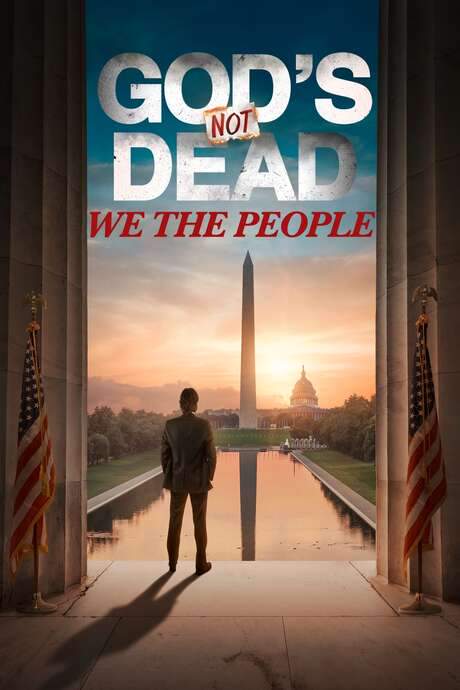
God’s Not Dead: We The People is a 2020 drama directed by Vance Null, starring David A.R. White as Reverend Dave, Benjamin Ochieng and Isaiah Washington. It runs 1 hour 31 minutes and earned $1.2 million worldwide on a $5 million budget. Its Echo Score is 47/100.
- Released
- Runtime
- 1h 31m (91 min)
- Director
- Vance Null
- Genre
- Drama
- Original language
-
 English
 - Studio
- Pure Flix Entertainment
- Budget
- $5M
- After the credits
- No No extra scene
What Is God’s Not Dead: We The People About?
The premise of God’s Not Dead: We The People without spoilers. The whole story is in the plot summary further down.
The Next Chapter Reverend Dave has to defend himself and a group of Christian homeschooling families after an inspection by local government officials.
God’s Not Dead: We The People Themes & Keywords
· 49 tags- anti christian
- god in title
- christian
- christian film
- homeschooling
- christian propaganda
- religious nut
- education
- freedom
- social services
- pastor
- liberty
+37 more Show fewer
- secularism
- curriculum
- city hall
- courtroom
- judge
- court order
- prayer
- church
- widow
- washington d.c.
- congressman
- common core
- congress
- congressional hearing
- politician
- politics
- religion
- christianity
- bible quote
- convert
- muslim converts to christianity
- car crash
- hospital
- muslim
- religious differences
- government
- mother daughter relationship
- hearing
- immigrant
- chinese american
- iranian american
- school choice
- government overreach
- government interference
- parental rights
- family relationships
- group
God’s Not Dead: We The People Cast & Characters
David A.R. White leads the cast as Reverend Dave, with Benjamin Ochieng as Reverend Jude Mbaye and Isaiah Washington as Daryl Smith. Directed by Vance Null; 16 actors are credited in all.
- Director Vance Null
-
 David A.R. White as Reverend Dave
 - Benjamin Ochieng as Reverend Jude Mbaye
-
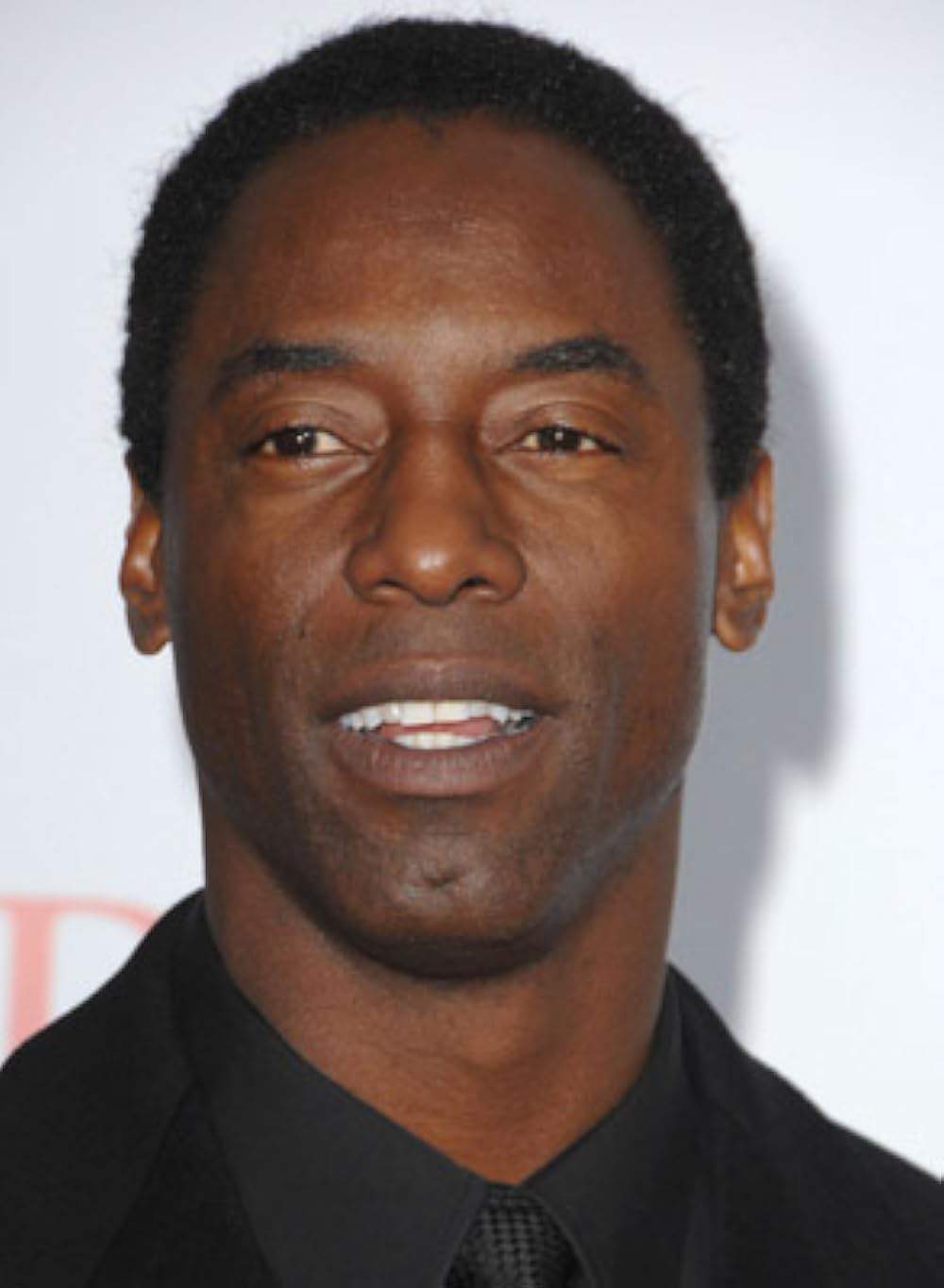 Isaiah Washington as Daryl Smith
 - Antonio Sabàto, Jr. as Mike McKinnon
Also Starring in God’s Not Dead: We The People
· 12 more- Francesca Battistelli Rebecca McKinnon
- Matt Anspach Brandon McKinnon
- Deborah Tucker Congresswoman Denise Campbell
- Dani Oliveros Kayla Neely
- Jeanine Pirro Judge Elizabeth Neely
- William Forsythe Senator Robert Benson
- Alexandra Harris Receptionist
- Marco Khan Misrab
- Ryan T. Johnson Congressional Page
- Bryce Barfield US Congressperson
- Paul Kwo Martin Yip
- Hadeel Sittu Ayisha
God’s Not Dead: We The People Reviews & Ratings
Our Echo Score gives it 47/100, strongest in sensory experience (55) and weakest in story & flow (40).
God’s Not Dead: We The People Echo Score Breakdown
God’s Not Dead: We The People elicits sharply divided reactions, with some viewers praising its affirming message and others condemning it as overt propaganda. Critics note its divisive nature, and audience scores range from 0.5 to 5, reflecting a polarised reception. The film’s thematic focus on religious freedom and American identity fuels this split. Consequently, the aggregate Echo Score settles in the low‑mid‑forties, indicating mixed overall appraisal.
Our own 0–100 rating, built from five aspects: art, character, story, the sensory experience and how well a film rewatches.
- Art & Craft 45
In terms of direction and production design, the film shows competent but unremarkable craftsmanship. Reviewers do not highlight any standout cinematography, suggesting a conventional visual style. The editing appears functional, yet the overall aesthetic is perceived as serviceable rather than innovative. Hence, the art and craft rating reflects modest technical execution.
- Character & Emotion 50
When evaluating acting and character depth, responses are polarized. Some users appreciate the earnest portrayal of Christian protagonists, while others criticize the figures as flat and serving agenda‑driven dialogue. Emotional resonance is limited to viewers aligned with the film’s worldview. Consequently, the character score balances modest appreciation with notable criticism.
- Story & Flow 40
The narrative centers on a courtroom defense of religious freedom, yet critics label it as uneven and overly didactic. Pacing is described as slow at the start, improving toward the conclusion, but overall originality is limited. This combination of formulaic plotting and heavy-handed messaging depresses the story rating.
- Sensory Experience 55
The soundtrack and sound design receive minimal commentary, indicating a functional but unexceptional auditory experience. Visual style is described as conventional, without notable stylistic choices. Viewers focus more on thematic content than sensory impact, leading to a neutral perception of the film’s sensory dimensions.
- Rewatch Factor 45
Rewatch potential is limited by the film’s polarizing message; supporters may view it again for affirmation, while detractors find little incentive to revisit. The lack of narrative nuance and modest technical flair reduces excitement on subsequent viewings. Accordingly, the rewatch factor lands in the low‑mid range.
God’s Not Dead: We The People Plot Summary
What happens in God’s Not Dead: We The People from start to finish, spoilers included, with a timeline of 12 key events. The opening is below; the full summary is a 2-minute read.
Spoilers ahead
In a close-knit community of home-schooling families, a steady eye toward faith and parental guidance anchors their daily lives. Leading the effort is Reverend Dave Hill, a calm and passionate figure who helps his neighbors navigate a world that suddenly questions their methods. When an unannounced visit from a social-services representative arrives, the inspector declares that their religiously informed curriculum does not meet federal education standards, setting off a chain of legal and emotional challenges. The families are summoned to court, and the initial ruling goes in favor of the state, a decision that tests their resolve and their beliefs.
Full summary
The whole story of God’s Not Dead: We The People, scene by scene
God’s Not Dead: We The People Box Office & Budget
God’s Not Dead: We The People grossed $1.2 million worldwide on a $5 million budget, 23% of what it cost.
Worldwide gross
$1.2M
23% of its budget back
- US & Canada
- $1.2M
- Budget
- $5M
God’s Not Dead: We The People Trailers & Videos
The trailer of God’s Not Dead: We The People.
How Well Do You Know God’s Not Dead: We The People?
10 questions about the story, each with a hint if you get stuck. Pick an answer to see whether you were right.
Question 1 of 10
- Question 1: not answered
- Question 2: not answered
- Question 3: not answered
- Question 4: not answered
- Question 5: not answered
- Question 6: not answered
- Question 7: not answered
- Question 8: not answered
- Question 9: not answered
- Question 10: not answered
Who is the calm and passionate leader who helps the home-schooling families navigate the legal challenges?
God’s Not Dead: We The People Also Known As
9 alternative titles, including “God's Not Dead 4” and “Dios no está muerto 4”.
- Also known as
-
- God's Not Dead 4
- Dios no está muerto 4
- Deus Não Esta Morto: O Próximo Capítulo
- Bóg nie umarł: My naród
- Gott ist nicht tot 4 - Wir sind das Volk
- 上帝之死4
- Dieu n'est pas mort 4 : Nous le peuple
- Dieu n'est pas mort 4
- Chúa Không Chết 4
Seen God’s Not Dead: We The People?
Movies Like God’s Not Dead: We The People
Films with a similar story, tone or audience, including God's Not Dead: A Light in Darkness, God's Not Dead and God's Not Dead: In God We Trust.
-
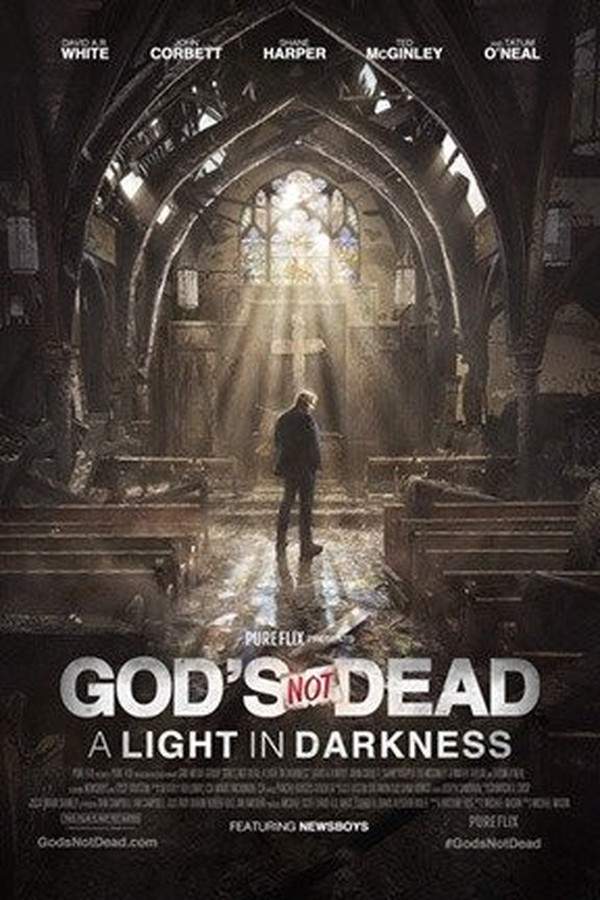 God's Not Dead: A Light in Darkness 2018
 -
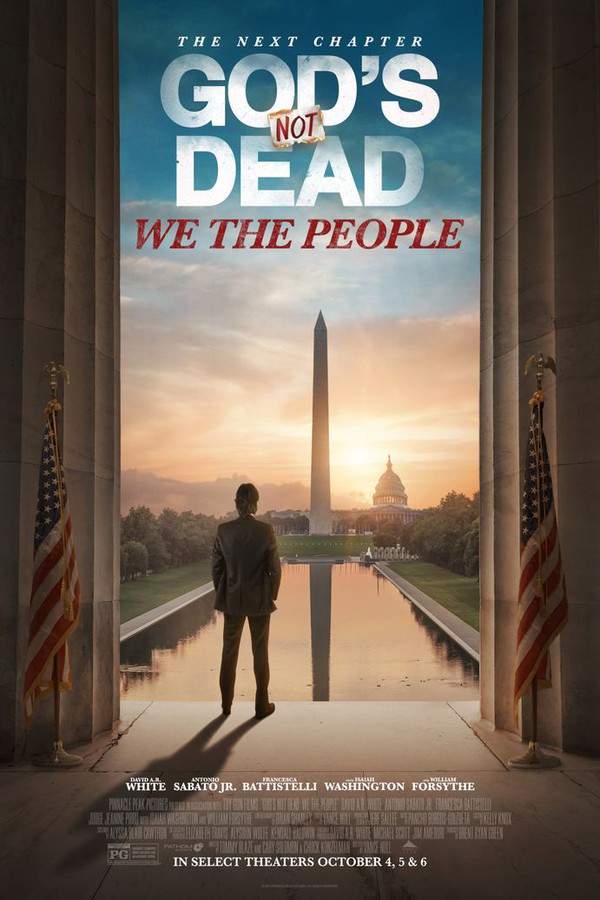 God's Not Dead 2014
 -
 God's Not Dead: In God We Trust 2024
 -
 God's Not Dead 2 2016
 -
 One Nation Under God 2020
 -
 God’s Army 2: States of Grace 2005
 -
 God & Country 2024
 -
 The Godless Girl 1928
 -
 The God Who Wasn’t There 2005
 -
 God's Army 2000
 -
 In God’s Country 2007
 -
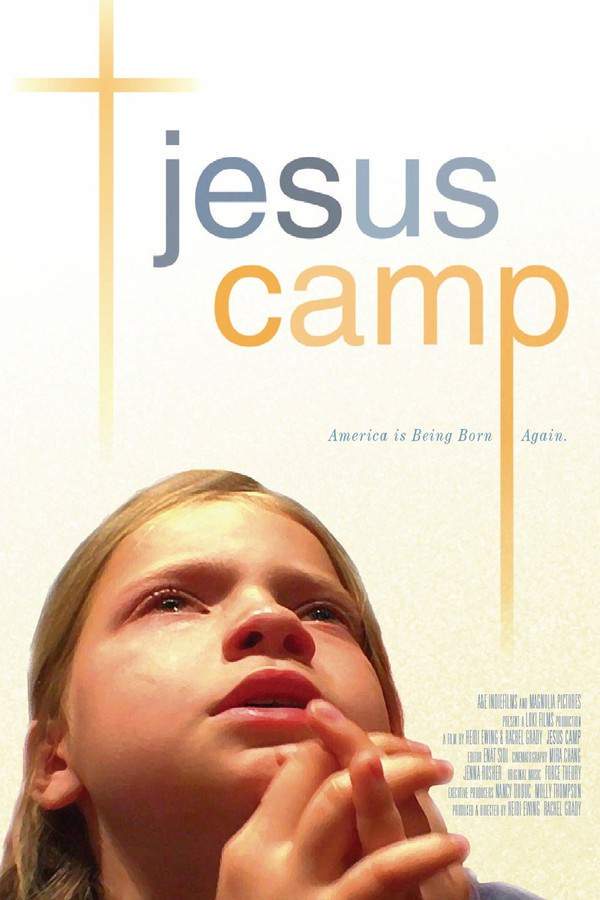 Jesus Camp 2006
God’s Not Dead: We The People FAQ: Cast & Box Office
Runtime, release date, director, cast, box office and post-credit scenes of God’s Not Dead: We The People, each answered in a sentence.
How long is God’s Not Dead: We The People?
God’s Not Dead: We The People runs 1 hour 31 minutes (91 minutes).
When was God’s Not Dead: We The People released?
God’s Not Dead: We The People was released on May 10, 2020.
Who directed God’s Not Dead: We The People?
God’s Not Dead: We The People was directed by Vance Null.
More films by Vance Null Who is in the cast of God’s Not Dead: We The People?
God’s Not Dead: We The People stars David A.R. White as Reverend Dave, Benjamin Ochieng as Reverend Jude Mbaye and Isaiah Washington as Daryl Smith, among 16 credited actors.
How much did God’s Not Dead: We The People make at the box office?
God’s Not Dead: We The People grossed $1.2 million worldwide on a budget of $5 million.
Does God’s Not Dead: We The People have a post-credit scene?
No. God’s Not Dead: We The People has no extra scene during or after the credits.
Coming soon to your phone
The Plot Explained Movie Summary App
From blockbusters to hidden gems: plot summaries, endings explained and timelines on your phone. Save your favorites and never miss a twist again.
Be the first to know when it launches. Your email stays private, always. Learn more about the app
