Funny People II 1983


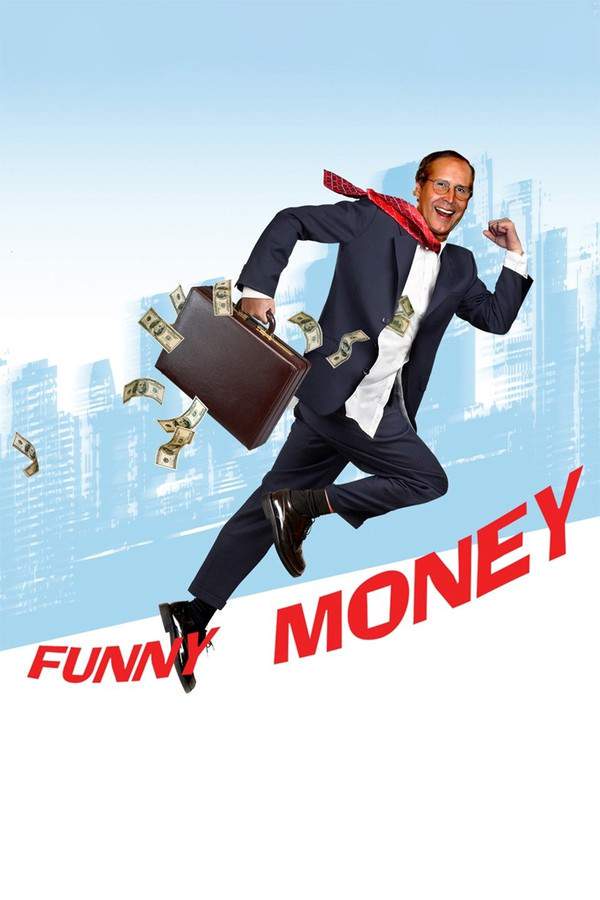
Packed with slap‑slap comedy set‑pieces, the film follows a hapless passer‑by who’s suddenly smacked with a passionate kiss from a stranger, scrambles to escape a scorching audition chair, and joins a frantic crowd trying to retrieve a banknote wedged under a car wheel, complete with a detached mud‑guard and blaring horn. The chaotic antics build up to laugh‑inducing moments that leave viewers in tears.


Does Funny People II have end credit scenes?
No!
Funny People II does not have end credit scenes. You can leave when the credits roll.
Meet the Full Cast and Actors of Funny People II
Explore the complete cast of Funny People II, including both lead and supporting actors. Learn who plays each character, discover their past roles and achievements, and find out what makes this ensemble cast stand out in the world of film and television.

External Links and Streaming Options
Discover where to watch Funny People II online, including streaming platforms, rental options, and official sources. Compare reviews, ratings, and in-depth movie information across sites like IMDb, TMDb or Letterboxd.



Take the Ultimate Funny People II Movie Quiz
Challenge your knowledge of Funny People II with this fun and interactive movie quiz. Test yourself on key plot points, iconic characters, hidden details, and memorable moments to see how well you really know the film.
Funny People II - Movie Quiz: A diverse quiz testing your knowledge on the plot, characters, and details of the 1983 film Funny People II.
What character does Adam Sandler play in Funny People II?
Full Plot Summary and Ending Explained for Funny People II
Read the complete plot summary of Funny People II, including all major events, twists, and the full ending explained in detail. Explore key characters, themes, hidden meanings, and everything you need to understand the story from beginning to end.
George Simmons, Adam Sandler, is a once-successful stand-up comedian whose career is marked by a series of absurdly silly movies. In many of his films, he plays exaggerated, comic versions of himself—like a merman in a Splash-like comedy or a baby with an adult’s head in a Little Man parody. Now, in what feels almost autobiographical, George is confronted with a harsh reality when he visits his doctor and learns he has an advanced form of leukemia that conventional treatments cannot treat. Despite being offered experimental medication with only about an 8% chance of survival, he faces the frightening prospect of his own mortality.
Back at his luxurious mansion, George’s wealth and fame starkly contrast with his emotional isolation. He is surrounded by material comforts but lacks genuine connection and companionship. One of his first attempts at reconciliation involves calling Laura, Rachel Keller, the woman he loved many years ago, hoping to apologize for destroying their relationship. However, the conversation is awkward and unfulfilling, highlighting his estranged relationship with her.
Meanwhile, Ira Wright, Seth Rogen, is an aspiring comedian working a low-paying job at a delicatessen. His life revolves around performing at local comedy clubs, often with financial aid and encouragement from his roommates Leo and Mark. Mark, played by a successful actor, is already earning well on a sitcom called “Yo, Teach!”, and he’s dating Daisy, a fellow stand-up comedian and Ira’s long-time crush. Mark’s confident yet threatening promise to sleep with Daisy in ten days adds tension to Ira’s insecurities.
During an open-mic night, Ira’s night takes an unexpected turn when George Simmons unexpectedly arrives, stunting the show with a depressing, uninspired stand-up routine that leaves the audience uncomfortable. Ira’s own performance begins poorly but ends with him insulting George, which catches George’s attention. Later, in the parking lot, George playfully threatens Ira before speeding off in his luxurious truck. The next day, George calls Ira, expressing admiration for his talent and asking if he and Leo can write jokes for him, as George plans to get back into stand-up. Ira, excited and eager, agrees, deliberately withholding this opportunity from Leo.
Soon, George hires Ira to be his personal assistant, a role that involves writing jokes, running errands, and, significantly, sitting with George during his nightly medication routines. These bedside conversations reveal intimate details about George’s troubled past—his strained relationship with his abusive father and how humor helped him survive. Despite his illness, George remains promiscuous, bringing home women and having sex, even as Ira watches uneasily from the sidelines. Their bond deepens as Ira helps George manage his illness and offers emotional support, making George open up about past heartbreaks, including his failed relationship with Laura.
As they spend more time together, George’s attempts to reconnect with old friends—famous comedians like Paul Reiser and George Wallace—fail to lift his spirits or heal old wounds. His efforts to fix his fractured relationship with his sister are equally unsuccessful, leaving him further isolated. Visits to his Swedish oncologist, Dr. Lars, become humorous yet poignant moments as Ira and George tease the doctor, while navigating the reality of George’s illness.
The story intensifies with personal setbacks, including a betrayal when Ira discovers that his roommate Mark has had sex with Daisy—crucial to Ira, who believed she was interested in him. Though Daisy defends her actions, claiming Ira was never her boyfriend, this deepens Ira’s insecurities. During Thanksgiving dinner, George delivers a heartfelt toast, warning everyone to cherish their friendships and time with loved ones before they slip away, subtly encouraging Ira to pursue what makes him happy.
Later, George reconnects with Laura, now more understanding and warm, and they share tender moments. He even invites her to a comedy show in San Francisco, where she is living with her new family. The reunion sparks hope that they might rekindle their relationship. Back at Laura’s home, George and Ira spend time with her daughters, playing and bonding, which underscores the importance of family and love.
Things take a complicated turn when Ira unexpectedly follows Laura to the airport, hoping to prevent her from reuniting with her unfaithful husband, Clarke. The confrontation erupts into a chaotic scene, with Clarke discovering George at the house and engaging in a fierce fight, during which Ira, trying to protect his friends, gets badly beaten. Laura’s determination to preserve her marriage ultimately prevails, and George, disappointed and hurt, falls into a cycle of regret and self-pity.
Their friendship, once a close bond rooted in honesty and mutual support, crumbles as George accuses Ira of destroying his chances at love. In a hurtful exchange, George dismisses Ira as a loser who will never find happiness, and Ira fires back with accusations of George’s selfishness and inability to love. The film closes with Ira returning to his simpler life—working at the deli, performing comedy with newfound confidence, and dating Daisy seriously. Although George is in the audience, he remains silent, perhaps reflecting on his shortcomings.
Eventually, George approaches Ira at the deli, but not with anger—he admits that Ira’s criticisms were valid. The two begin to reconnect, sharing jokes and ideas, hinting that despite their rocky journey, their friendship might have a chance to heal. Through this poignant and often humorous story, the film explores themes of mortality, friendship, love, and self-acceptance, revealing that even in the face of life’s harshest realities, humor and human connection can provide a way forward.

Coming soon on iOS and Android
The Plot Explained Mobile App
From blockbusters to hidden gems — dive into movie stories anytime, anywhere. Save your favorites, discover plots faster, and never miss a twist again.
Sign up to be the first to know when we launch. Your email stays private — always.
Explore the mobile appDiscover Film Music Concerts Near You – Live Orchestras Performing Iconic Movie Soundtracks
Immerse yourself in the magic of cinema with live orchestral performances of your favorite film scores. From sweeping Hollywood blockbusters and animated classics to epic fantasy soundtracks, our curated listings connect you to upcoming film music events worldwide.
Explore concert film screenings paired with full orchestra concerts, read detailed event information, and secure your tickets for unforgettable evenings celebrating legendary composers like John Williams, Hans Zimmer, and more.


Funny People II Themes and Keywords
Discover the central themes, ideas, and keywords that define the movie’s story, tone, and message. Analyze the film’s deeper meanings, genre influences, and recurring concepts.
Funny People II Other Names and Titles
Explore the various alternative titles, translations, and other names used for Funny People II across different regions and languages. Understand how the film is marketed and recognized worldwide.
Similar Movies To Funny People II You Should Know About
Browse a curated list of movies similar in genre, tone, characters, or story structure. Discover new titles like the one you're watching, perfect for fans of related plots, vibes, or cinematic styles.



Quick Links: Summary, Cast, Ratings, More

What's After the Movie?
Not sure whether to stay after the credits? Find out!
Check out our other apps:

SAT Sphere
Build confidence for the Digital SAT.

Mori Atlas
Discover wild places worth protecting.

Luntero
Search smarter for a home in Amsterdam.

Plot Explained
Unravel movie endings and hidden clues.

Pokechamp
Dive into Pokémon data and battle logic.

Driving Theory
Get ready for your European theory test.

Movie Dust
Plan your next cinema trip with ease.

Musemap
Find art and culture as you travel.

Selkobase
Compare credentials before committing.

Local Manual
Turn an unfamiliar country into practical next steps.

Lernavi
Compare school systems before your next move.

GymRoam
Find a workout stop wherever your plans take you.
Explore Our Movie Platform
New Movie Releases (2026)
Famous Movie Actors
Top Film Production Studios
Movie Plot Summaries & Endings
Major Movie Awards & Winners
Best Concert Films & Music Documentaries
Movie Collections and Curated Lists
© 2026 What's After the Movie. All rights reserved.
Privacy Policy