
Footnote (2012): Cast, Ratings, Box Office & Where to Watch

Footnote is a 2012 drama directed by Joseph Cedar, starring Shlomo Bar-Aba, Lior Ashkenazi and Aliza Rosen. It runs 1 hour 43 minutes and earned $2.5 million worldwide. It was nominated for 1 Oscar. Critics gave it 88% on Rotten Tomatoes and 83 on Metacritic, and IMDb users rate it 7.1/10. Rent or buy it on Amazon Video and Apple TV Store.
- Released
- Runtime
- 1h 43m (103 min)
- Director
- Joseph Cedar
- Genre
- Drama
- Original language
-
 Hebrew
 - Studio
- Sony Pictures Classics
- After the credits
- No No extra scene
What Is Footnote About?
The premise of Footnote without spoilers. The whole story is in the plot summary further down.
A poignant drama centered on the complicated relationship between two Talmudic scholars, Eliezer and Uriel Shkolnik. Their bond is tested when Eliezer receives Israel’s highest honor, unexpectedly revealing deep insecurities and sparking a crisis of ambition. Uriel is forced to confront his own loyalties and the complexities of their shared history as the recognition threatens to unravel their connection.
Footnote Themes & Keywords
· 15 tags- rivalry
- talmud
- scholar
- father son relationship
- father
- male nudity
- male rear nudity
- israel
- university
- prize
- israeli
- jerusalem israel
+3 more Show fewer
- hebrew university of jerusalem
- judaism
- one upmanship
Where to Watch Footnote
Rent or buy it from Amazon Video and Apple TV Store. US availability and prices from JustWatch.





Streaming availability in the US, powered by 
Footnote Cast
Shlomo Bar-Aba leads the cast, with Lior Ashkenazi and Aliza Rosen. Directed by Joseph Cedar.
-
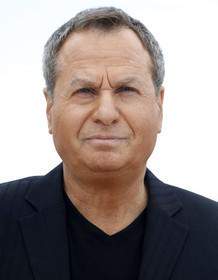
 Director Joseph Cedar

Footnote Reviews & Ratings
Critics gave Footnote 88% on Rotten Tomatoes and 83 on Metacritic, and IMDb users rate it 7.1/10.
-
 IMDb
IMDb 7.1 /10
See on IMDb -
 Rotten Tomatoes
 88% Tomatometer
Popcornmeter 72%
See on Rotten Tomatoes -
 Metacritic
 83 Metascore
User score 6.4
See on Metacritic -
 TMDB
TMDB 71% User score
See on TMDB -
 Movie Insider
 3.8 /5
See on Movie Insider
Footnote Plot Summary
What happens in Footnote from start to finish, spoilers included, with a timeline of 12 key events. The opening is below; the full summary is a 3-minute read.
Spoilers ahead
Eliezer Shkolnik, Shlomo Bar-Aba, is a meticulous philologist who dedicates his career to the textual tradition of the Jerusalem Talmud. He and his son Uriel, Lior Ashkenazi, are both professors in the Talmudic Research department at the Hebrew University of Jerusalem. Uriel stands out as a charismatic academic, beloved by students and the public alike, and his rising profile brings him public recognition when he is elected as a member of the Israel Academy of Sciences and Humanities. The contrast between father and son is stark: Eliezer remains stubbornly old-school, a purist in his research methods who is widely seen as unpopular, unrewarded, and trapped in the shadow of a rival scholar, Prof. Yehuda Grossman, who published similar findings just before him.
Full summary
The whole story of Footnote, scene by scene
Footnote Box Office
Footnote grossed $2.5 million worldwide. $2 million came from the US and Canada and $443,501 (18%) from the rest of the world.
Worldwide gross
$2.5M
- US & Canada
- $2M
- International
- $443.5K
Footnote Awards & Nominations
Footnote was nominated for 1 Oscar. The 2 nominations come from 2 ceremonies.
2 nominations2 ceremonies
-
 Spirit Awards 2012 1 nomination
- Nominated Best Screenplay
-
 Oscars 2012 1 nomination
- Nominated Foreign Language Film
Footnote Trailers & Videos
The trailer of Footnote.
How Well Do You Know Footnote?
10 questions about the story, each with a hint if you get stuck. Pick an answer to see whether you were right.
Question 1 of 10
- Question 1: not answered
- Question 2: not answered
- Question 3: not answered
- Question 4: not answered
- Question 5: not answered
- Question 6: not answered
- Question 7: not answered
- Question 8: not answered
- Question 9: not answered
- Question 10: not answered
What is the name of the meticulous philologist who studies the Jerusalem Talmud?
Footnote Also Known As
17 alternative titles, including “H'rs shvlm” and “He'arat shulayim”.
- Also known as
-
- H'rs shvlm
- He'arat shulayim
- Lábjegyzet
- フットノート
- Down the Hill
- 꼬장꼬장 슈콜닉 교수의 남모를 비밀
- Dipnot
- Примечание
- 脚注
- Pie de página
- Nota de Rodapé
- Fotnot
+5 more Show fewer
- Бележки под линия
- Γράψε Λάθος
- 親情據點
- Pastaba
- Poznámka pod čarou
Seen Footnote?
Movies Like Footnote
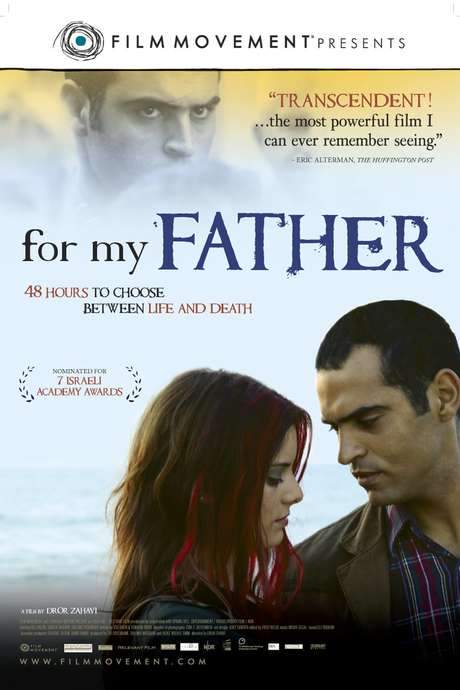
Films with a similar story, tone or audience, including Foxtrot, Knafayim Shvurot and For My Father.











Footnote FAQ: Where to Watch, Cast & Box Office
Runtime, release date, director, cast, where to watch, box office, ratings and awards of Footnote, each answered in a sentence.
How long is Footnote?
Footnote runs 1 hour 43 minutes (103 minutes).
When was Footnote released?
Footnote was released on March 9, 2012.
Who directed Footnote?
Footnote was directed by Joseph Cedar.
More films by Joseph Cedar Who is in the cast of Footnote?
Footnote stars Shlomo Bar-Aba, Lior Ashkenazi and Aliza Rosen.
Where can I watch Footnote?
In the US, Footnote is available to rent or buy on Amazon Video, Apple TV Store and Fandango At Home (availability from JustWatch).
How much did Footnote make at the box office?
Footnote grossed $2.5 million worldwide ($2 million domestic, $443,501 international).
How is Footnote rated?
Footnote has 7.1/10 on IMDb, 88% on Rotten Tomatoes, 83 on Metacritic and 71% on TMDB.
Was Footnote nominated for any awards?
Footnote received 2 nominations across 2 ceremonies.
Coming soon to your phone
The Plot Explained Movie Summary App
From blockbusters to hidden gems: plot summaries, endings explained and timelines on your phone. Save your favorites and never miss a twist again.
Be the first to know when it launches. Your email stays private, always. Learn more about the app
