Elizabeth of Ladymead (1948): Cast & Plot
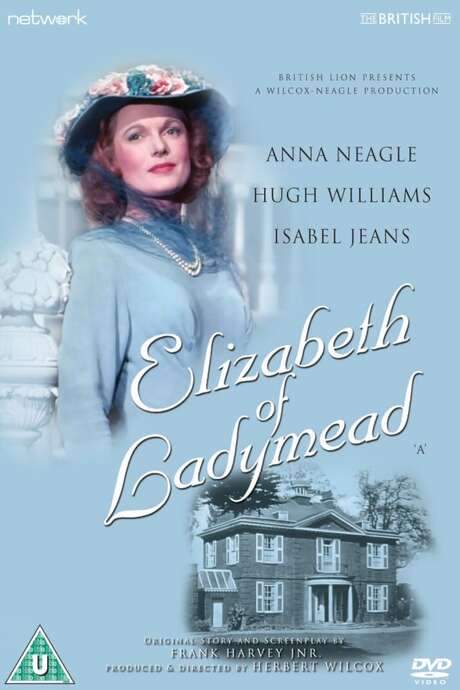
Elizabeth of Ladymead is a 1948 war drama directed by Herbert Wilcox, starring Anna Neagle as Beth in 1854 / Elizabeth in 1903 / Betty in 1919 / Liz in 1946, Bernard Lee and Nicholas Phipps. It runs 1 hour 37 minutes.
- Released
- Runtime
- 1h 37m (97 min)
- Director
- Herbert Wilcox
- Original language
-
 English
 - Studio
- Herbert Wilcox Productions
- After the credits
- No No extra scene
What Is Elizabeth of Ladymead About?
The premise of Elizabeth of Ladymead without spoilers. The whole story is in the plot summary further down.
Four generations of a British family experience successive conflicts—from the Crimean War through the Boer War, then World I and World II—each war reshapes their lives, ambitions and relationships, illustrating how each era transforms the family's fortunes and values over time.
Elizabeth of Ladymead Themes & Keywords
· 4 tags- character name as title
- three word title
- family relationships
- based on play
Elizabeth of Ladymead Cast & Characters
Anna Neagle leads the cast as Beth in 1854 / Elizabeth in 1903 / Betty in 1919 / Liz in 1946, with Bernard Lee as John Beresford in 1903 and Nicholas Phipps as John Beresford in 1854. Directed by Herbert Wilcox; 18 actors are credited in all.
- Director Herbert Wilcox
- Anna Neagle as Beth in 1854 / Elizabeth in 1903 / Betty in 1919 / Liz in 1946
-
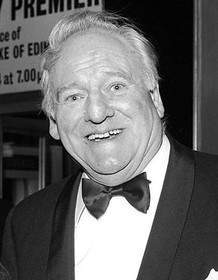 Bernard Lee as John Beresford in 1903
 - Nicholas Phipps as John Beresford in 1854
- Hugh Williams as John Beresford in 1946
Also Starring in Elizabeth of Ladymead
· 14 more- Michael Lawrence John Beresford in 1919
- Claude Bailey Maj. Wrigley in 1854
- Michael Shepley Maj. Wrigley in 1903
- Kenneth Warrington Maj. Wrigley in 1919
- Jack Allen Maj. Wrigley in 1946
- Edie Martin Annie
- Norman Pierce Franklin
- Henry Edwards Frank
- Jean Anderson
- Isabel Jeans Mother in 1903
- Hilda Bayley Mother in 1946
- Edgar Norfolk
- Catherine Paul Mother in 1854
- Hamlyn Benson
Elizabeth of Ladymead Plot Summary
What happens in Elizabeth of Ladymead from start to finish, spoilers included, with a timeline of 12 key events. The opening is below; the full summary is a 4-minute read.
Spoilers ahead
Four generations of women, all portrayed by Anna Neagle, have lived at Ladymead, a Georgian mansion, while their husbands go off to fight in wars from the Crimean era to the Second World War. Across the years, each era shapes the matriarch’s outlook and the family’s sense of independence: the Crimean War wife inspired by Florence Nightingale becomes a beacon of care and service, the Boer War wife evolves into a suffragette and peace activist, and the Great War wife embraces the bold, Jazz Age spirit of a new woman. The film threads these chapters together with a quiet, steady gaze at how war retreat and personal resolve redefine a household across generations.
Full summary
The whole story of Elizabeth of Ladymead, scene by scene
How Well Do You Know Elizabeth of Ladymead?
10 questions about the story, each with a hint if you get stuck. Pick an answer to see whether you were right.
Question 1 of 10
- Question 1: not answered
- Question 2: not answered
- Question 3: not answered
- Question 4: not answered
- Question 5: not answered
- Question 6: not answered
- Question 7: not answered
- Question 8: not answered
- Question 9: not answered
- Question 10: not answered
Which actress portrayed all four generations of the female lead in the film?
Seen Elizabeth of Ladymead?
Movies Like Elizabeth of Ladymead
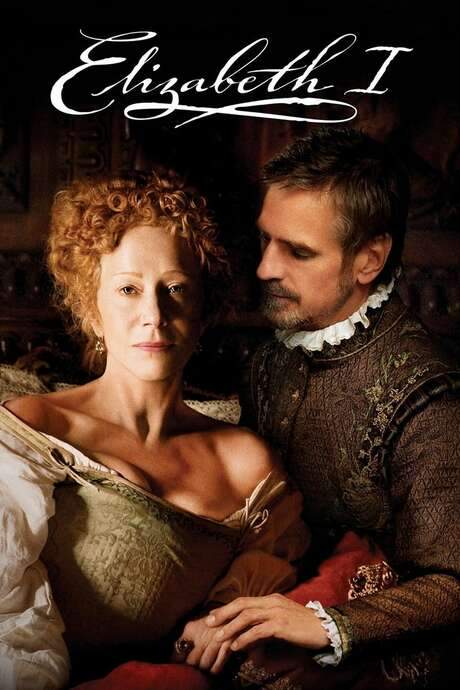
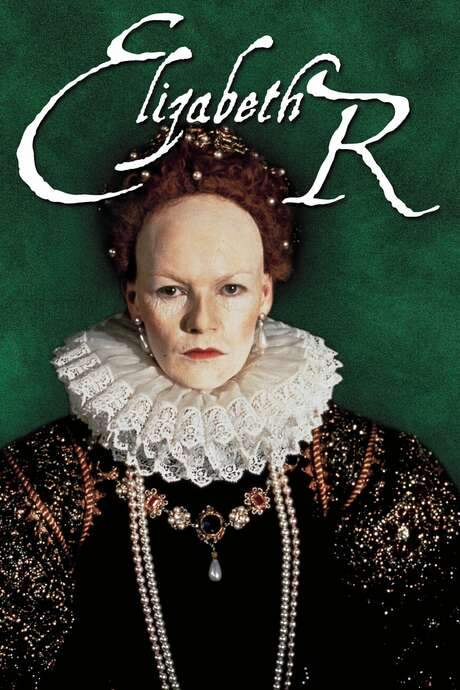
Films with a similar story, tone or audience, including Elizabeth I, Elizabeth R and Elizabeth.



Elizabeth of Ladymead FAQ: Cast, Runtime & Release Date
Runtime, release date, director, cast and post-credit scenes of Elizabeth of Ladymead, each answered in a sentence.
How long is Elizabeth of Ladymead?
Elizabeth of Ladymead runs 1 hour 37 minutes (97 minutes).
When was Elizabeth of Ladymead released?
Elizabeth of Ladymead was released on December 22, 1948.
Who directed Elizabeth of Ladymead?
Elizabeth of Ladymead was directed by Herbert Wilcox.
More films by Herbert Wilcox Who is in the cast of Elizabeth of Ladymead?
Elizabeth of Ladymead stars Anna Neagle as Beth in 1854 / Elizabeth in 1903 / Betty in 1919 / Liz in 1946, Bernard Lee as John Beresford in 1903 and Nicholas Phipps as John Beresford in 1854, among 18 credited actors.
Does Elizabeth of Ladymead have a post-credit scene?
No. Elizabeth of Ladymead has no extra scene during or after the credits.
Coming soon to your phone
The Plot Explained Movie Summary App
From blockbusters to hidden gems: plot summaries, endings explained and timelines on your phone. Save your favorites and never miss a twist again.
Be the first to know when it launches. Your email stays private, always. Learn more about the app