
Detective Story (2007): Cast & Plot
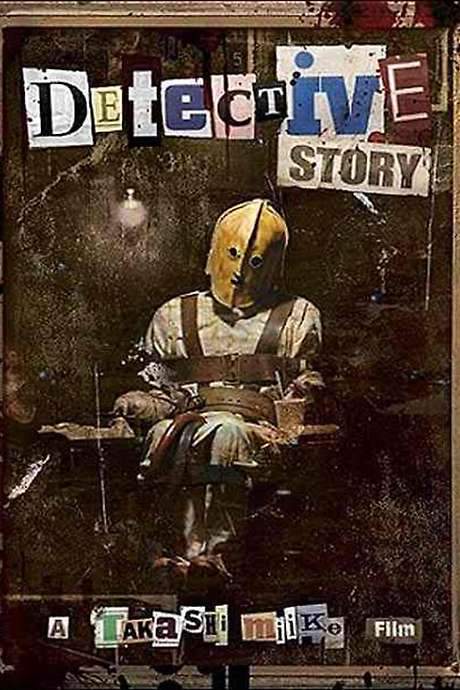
Detective Story is a 2007 horror film directed by Takashi Miike, starring Hiroyuki Watanabe, Kai Ato and Yuya Uchida. It runs 1 hour 39 minutes.
- Released
- Runtime
- 1h 39m (99 min)
- Director
- Takashi Miike
- Genre
- Horror
- Original language
-
 Japanese
 - Studio
- Maki Production
- After the credits
- No No extra scene
What Is Detective Story About?
The premise of Detective Story without spoilers. The whole story is in the plot summary further down.
A detective and a businessman search for a serial killer who removes people’s organs.
Detective Story Themes & Keywords
· 50 tags- thrown through a glass door
- fired
- boot
- wig
- private detective
- neighbor
- murder
- lung
- liver
- kidney
- blood
- painting with blood
+38 more Show fewer
- blood as ink
- blood as paint
- kicked in the stomach
- urination
- tokyo japan
- female topless nudity
- bare chested male
- wetting oneself
- whodunit
- video camera
- umbrella
- trick
- train
- tied to a chair
- thumb sucking
- threatened with a knife
- suspicion
- car theft
- stalking
- stabbed in the chest
- stabbed in the back
- patricide
- severed finger
- scene during end credits
- rotting corpse
- rotary phone
- revelation
- rain
- pistol
- photograph
- perversion
- pen
- painting
- office worker
- occult
- nude painting
- news report
- masturbation
Detective Story Cast
Hiroyuki Watanabe leads the cast, with Kai Ato and Yuya Uchida. Directed by Takashi Miike; 12 actors are credited in all.
- Director Takashi Miike
Also Starring in Detective Story
· 8 moreDetective Story Plot Summary
What happens in Detective Story from start to finish, spoilers included, with a timeline of 14 key events. The opening is below; the full summary is a 4-minute read.
Spoilers ahead
Takashima Raita, known as a brilliant hacker, moves into a low-rent apartment next door to Kazama Raita, a private detective who shares the same given name. One night, a girl named Inoue Manami comes looking for the detective, finds him drunk and unwilling to help, and they agree to meet again in the morning. But on her walk home she is murdered, a chilling start that pulls Kazama Raita into a case that seems to intensify with every new clue.
Full summary
The whole story of Detective Story, scene by scene
Detective Story Trailers & Videos
The trailer of Detective Story.
How Well Do You Know Detective Story?
10 questions about the story, each with a hint if you get stuck. Pick an answer to see whether you were right.
Question 1 of 10
- Question 1: not answered
- Question 2: not answered
- Question 3: not answered
- Question 4: not answered
- Question 5: not answered
- Question 6: not answered
- Question 7: not answered
- Question 8: not answered
- Question 9: not answered
- Question 10: not answered
What is the profession of Kazama Raita?
Detective Story Also Known As
4 alternative titles, including “Tantei monogatari” and “Детективна історія”.
- Also known as
-
- Tantei monogatari
- Детективна історія
- 탐정 이야기
- 侦探物语
Seen Detective Story?
Movies Like Detective Story
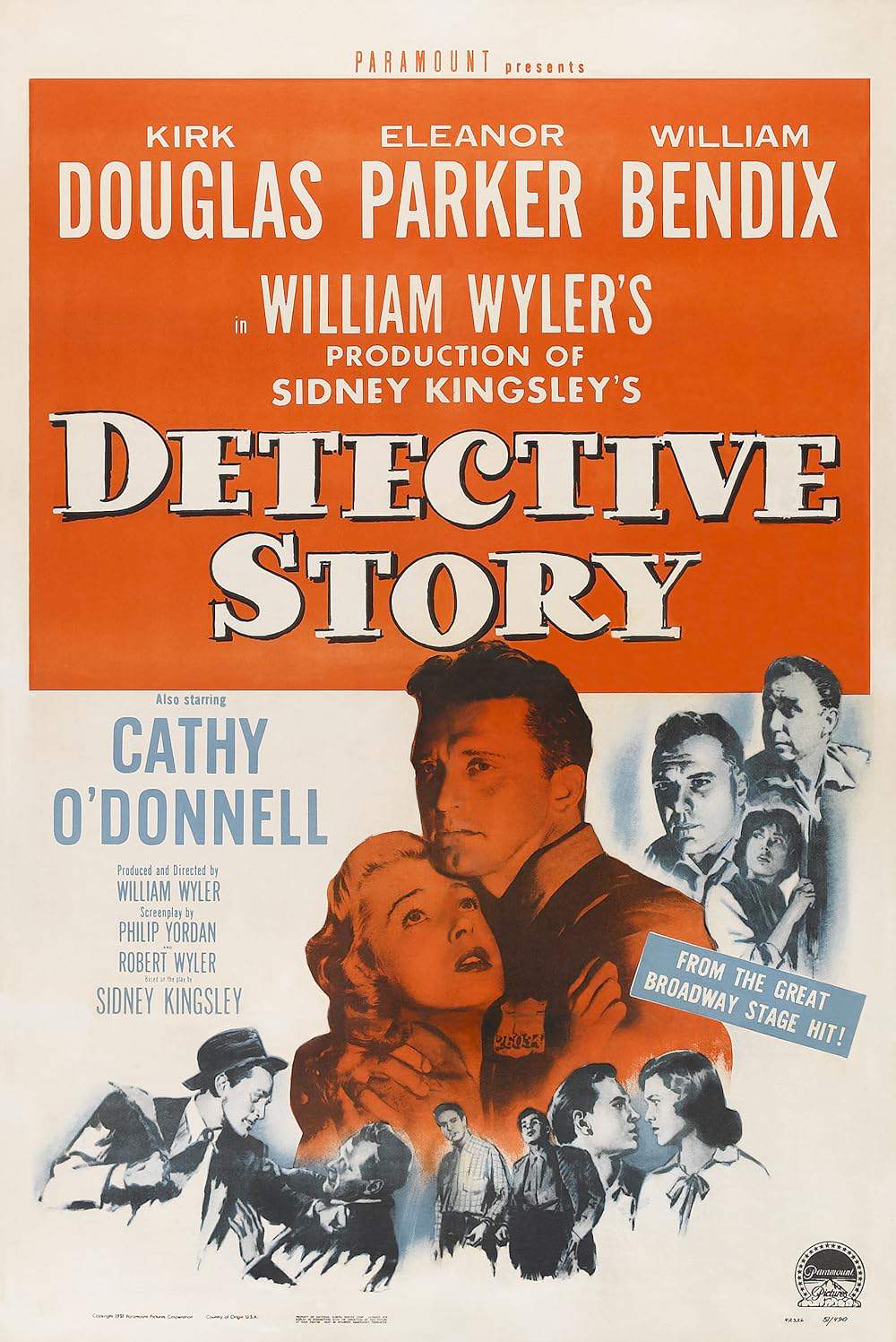
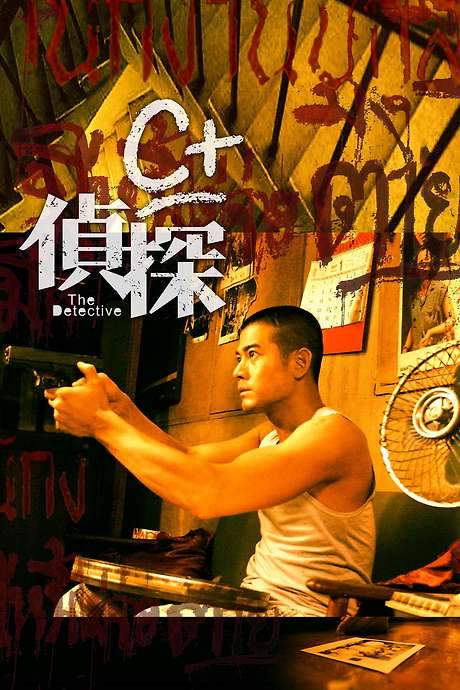
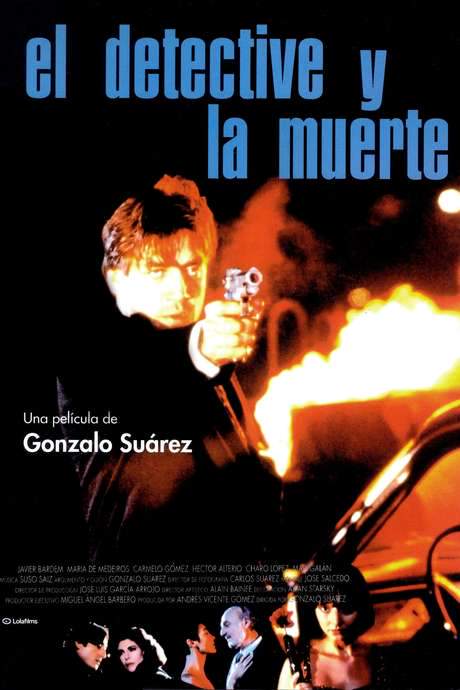
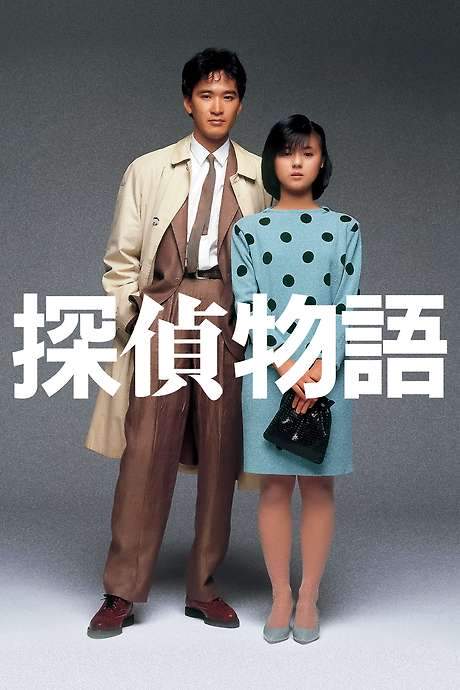
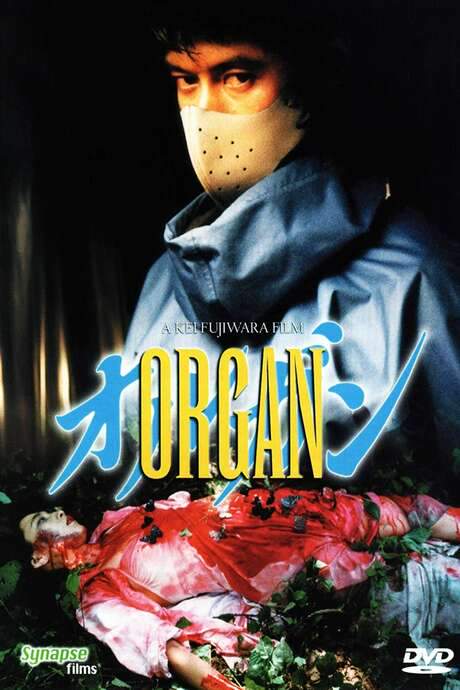
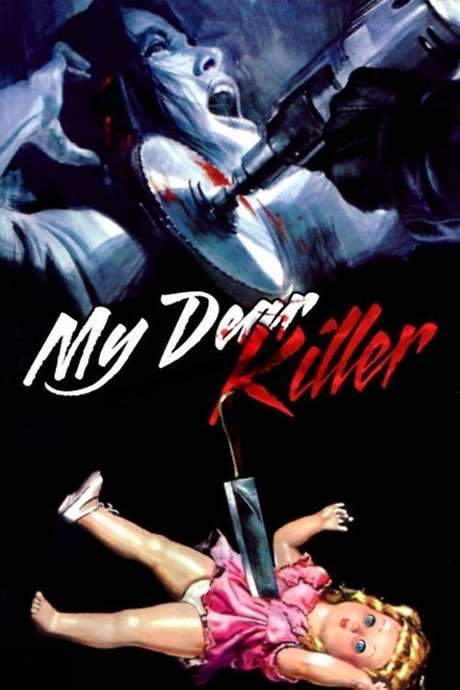
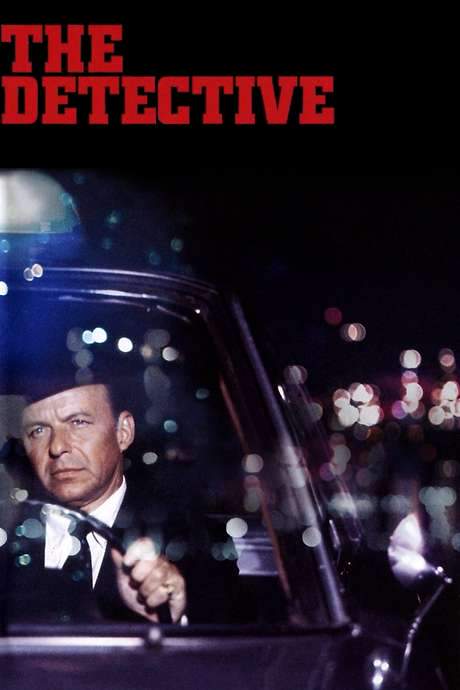
Films with a similar story, tone or audience, including Detective Story, The Detective and The Detective and Death.




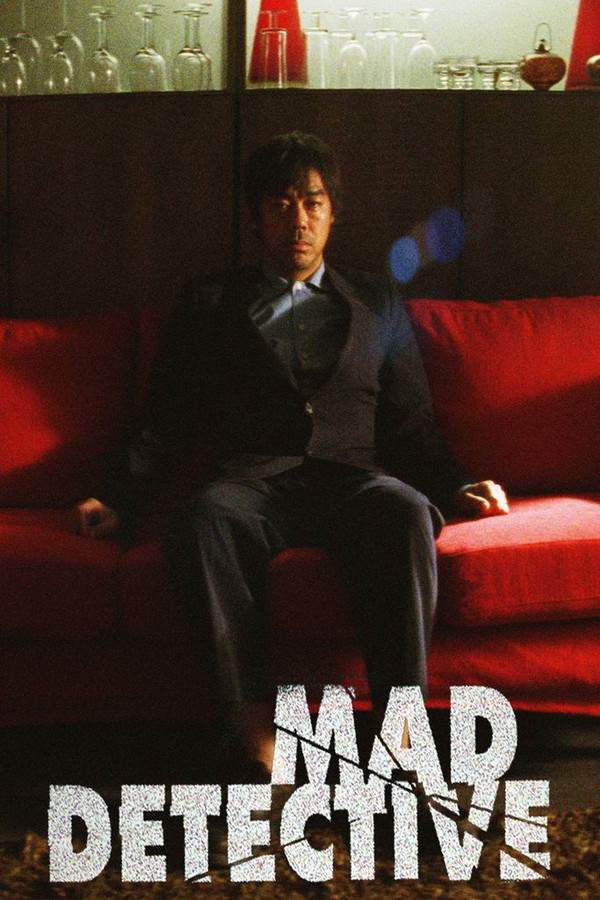
Detective Story FAQ: Cast, Runtime & Release Date
Runtime, release date, director, cast, post-credit scenes and language of Detective Story, each answered in a sentence.
How long is Detective Story?
Detective Story runs 1 hour 39 minutes (99 minutes).
When was Detective Story released?
Detective Story was released on September 29, 2007.
Who directed Detective Story?
Detective Story was directed by Takashi Miike.
More films by Takashi Miike Who is in the cast of Detective Story?
Detective Story stars Hiroyuki Watanabe, Kai Ato and Yuya Uchida, among 12 credited actors.
Does Detective Story have a post-credit scene?
No. Detective Story has no extra scene during or after the credits.
What language is Detective Story in?
The original language of Detective Story is Japanese.
Coming soon to your phone
The Plot Explained Movie Summary App
From blockbusters to hidden gems: plot summaries, endings explained and timelines on your phone. Save your favorites and never miss a twist again.
Be the first to know when it launches. Your email stays private, always. Learn more about the app
