Dear Ms.: A Revolution in Print 2025


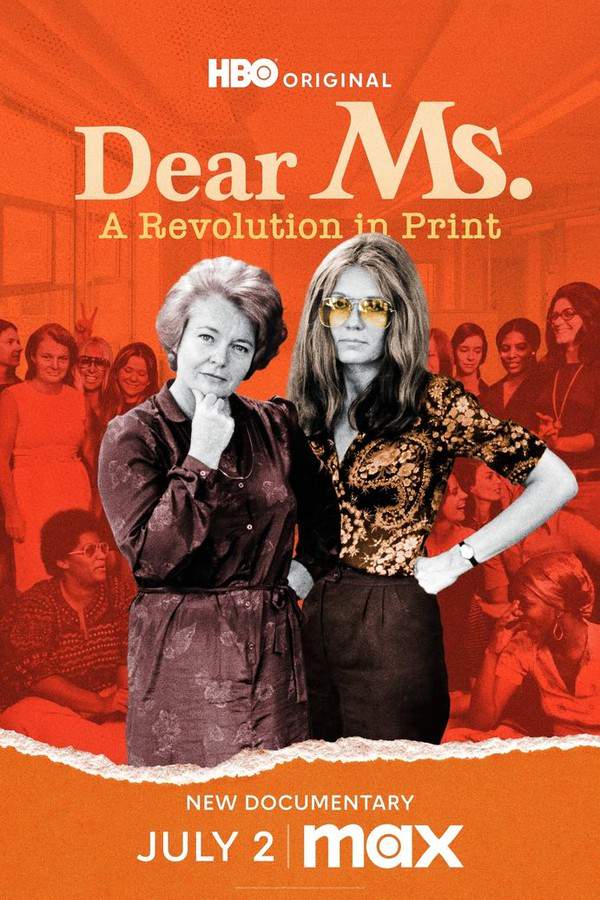
This documentary explores the history and impact of Ms. magazine, examining its significant legacy through the stories behind its most memorable covers. The film combines rarely seen archival footage with insightful interviews, revealing the magazine’s role in shaping conversations around feminism and social change. It offers a compelling look at the people and moments that defined a generation.


Does Dear Ms.: A Revolution in Print have end credit scenes?
No!
Dear Ms.: A Revolution in Print does not have end credit scenes. You can leave when the credits roll.
Where to Watch Dear Ms.: A Revolution in Print
See current US streaming, rental, and purchase options for Dear Ms.: A Revolution in Print (2025) via JustWatch.


Streaming availability powered by 
Meet the Full Cast and Actors of Dear Ms.: A Revolution in Print
Explore the complete cast of Dear Ms.: A Revolution in Print, including both lead and supporting actors. Learn who plays each character, discover their past roles and achievements, and find out what makes this ensemble cast stand out in the world of film and television.


External Links and Streaming Options
Discover where to watch Dear Ms.: A Revolution in Print online, including streaming platforms, rental options, and official sources. Compare reviews, ratings, and in-depth movie information across sites like IMDb, Wikipedia, Rotten Tomatoes or Metacritic.





Ratings and Reviews for Dear Ms.: A Revolution in Print
See how Dear Ms.: A Revolution in Print is rated across major platforms like IMDb, Metacritic, and TMDb. Compare audience scores and critic reviews to understand where Dear Ms.: A Revolution in Print stands among top-rated movies in its genre.

The Movie Echo Score
Dear Ms.: A Revolution in Print stands out for its authentic and insightful examination of the magazine’s legacy, yet it is undermined by uneven structural pacing and abrupt transitions. The focus on archival interviews and primary voices delivers a compelling look at feminist media history, but overlapping segments and a sudden conclusion disrupt the viewing experience. While the narrative offers valuable perspectives on authenticity and activism, its editorial inconsistencies prevent it from achieving full cohesion.
The Movie Echo Score Breakdown for Dear Ms.: A Revolution in Print

Art & Craft
In terms of art and craft, the documentary’s editing and structural design create a fragmented viewing experience. Multiple overlapping segments and a three-part division lead to abrupt transitions that impede narrative flow. While each segment contains moments of clarity, the overall cohesion is weakened by inconsistent pacing and a sudden conclusion. The uneven assembly ultimately diminishes the film’s formal strengths.

Character & Emotion
When it comes to character and emotion, the documentary excels in conveying authentic personal reflections from founders and contributors. Interviews capture raw, heartfelt recollections that underscore the magazine’s impact and emotional resonance. The inclusion of archival footage and honest commentary deepens the audience’s connection to the subjects. Overall, these elements produce a nuanced sense of empathy and historical immersion.

Story & Flow
In terms of story and flow, the three-part narrative provides a broad historical overview but occasionally lacks coherence. While segments offer detailed context on the magazine’s evolution, overlapping themes and abrupt closures disrupt engagement. The pacing fluctuates between measured historical exposition and sudden shifts in focus. As a result, the narrative remains informative yet struggles to maintain a seamless progression.

Sensory Experience
Regarding sensory experience, the film adopts a straightforward visual and sonic approach that aligns with its documentary intent. The visual style remains functional with standard archival presentations and minimal stylistic flair. Sound design and music use support the narrative without drawing attention. Although effective in conveying information, the sensory elements lack distinctive cohesion or standout moments.

Rewatch Factor
For rewatch factor, the documentary’s rich archival interviews and thematic relevance offer value on subsequent viewings. Audiences interested in feminist media history may uncover additional nuances with each screening. However, uneven pacing and abrupt transitions could lessen enjoyment over repeats. Overall, the film maintains lasting appeal for viewers drawn to its subject matter but may challenge those seeking a polished narrative structure.


94%
TOMATOMETER

0%
User Score

7.2 /10
IMDb Rating
It appears Dear Ms.: A Revolution in Print does not have a summary available yet. Please consider requesting one.

Coming soon on iOS and Android
The Plot Explained Mobile App
From blockbusters to hidden gems — dive into movie stories anytime, anywhere. Save your favorites, discover plots faster, and never miss a twist again.
Sign up to be the first to know when we launch. Your email stays private — always.
Explore the mobile appDiscover Film Music Concerts Near You – Live Orchestras Performing Iconic Movie Soundtracks
Immerse yourself in the magic of cinema with live orchestral performances of your favorite film scores. From sweeping Hollywood blockbusters and animated classics to epic fantasy soundtracks, our curated listings connect you to upcoming film music events worldwide.
Explore concert film screenings paired with full orchestra concerts, read detailed event information, and secure your tickets for unforgettable evenings celebrating legendary composers like John Williams, Hans Zimmer, and more.


Unlock the World of Movies with Our Comprehensive Wiki
Dive into our Movie Wiki for in-depth film encyclopedia entries, including cast biographies, production trivia, plot synopses, behind-the-scenes facts, and thematic analyses. Whether you’re researching iconic directors, exploring genre histories, or discovering hidden easter eggs, our expertly curated movie database has everything you need to fuel your cinematic passion.
Quick Links: Summary, Cast, Ratings, More

What's After the Movie?
Not sure whether to stay after the credits? Find out!
Check out our other apps:

SAT Sphere
Build confidence for the Digital SAT.

Mori Atlas
Discover wild places worth protecting.

Luntero
Search smarter for a home in Amsterdam.

Plot Explained
Unravel movie endings and hidden clues.

Pokechamp
Dive into Pokémon data and battle logic.

Driving Theory
Get ready for your European theory test.

Movie Dust
Plan your next cinema trip with ease.

Musemap
Find art and culture as you travel.

Selkobase
Compare credentials before committing.

Local Manual
Turn an unfamiliar country into practical next steps.

Lernavi
Compare school systems before your next move.

GymRoam
Find a workout stop wherever your plans take you.
Explore Our Movie Platform
New Movie Releases (2026)
Famous Movie Actors
Top Film Production Studios
Movie Plot Summaries & Endings
Major Movie Awards & Winners
Best Concert Films & Music Documentaries
Movie Collections and Curated Lists
© 2026 What's After the Movie. All rights reserved.
Privacy Policy