Daaku Maharaaj 2025


A violent outlaw takes a job as a personal driver in order to protect the life of a little girl.


Does Daaku Maharaaj have end credit scenes?
No!
Daaku Maharaaj does not have end credit scenes. You can leave when the credits roll.
Meet the Full Cast and Actors of Daaku Maharaaj
Explore the complete cast of Daaku Maharaaj, including both lead and supporting actors. Learn who plays each character, discover their past roles and achievements, and find out what makes this ensemble cast stand out in the world of film and television.
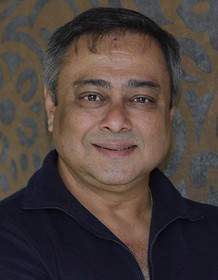
Sachin Khedekar
Krishna Murthy

Makrand Deshpande
Govind Gujjar
Bobby Deol
Balwant Singh Thakur
Ravi Kishan
Trimurthulu Naidu
Vtv Ganesh
Police Officer
Shine Tom Chacko
Stephen Raj
Deepraj Rana
Yashwanth Singh Thakur
Harshavardhan
Abbavaram
Nandamuri Balakrishna
"Nanaji" Seetharam / Daaku Maharaj
Ravi Mariya
Suryaprakash
Praveena
Krishna Murthy's Wife
Aadukalam Naren
Indra Singh
Inturi Vasu
Police Officer
Sampath Ram
Gangaram
Satya
Constable
Chandini Chowdary
Shivani
Ravi Kale
Maan Singh
Urvashi Rautela
Janaki
Sudhanshu Pandey
Bablu Singh Thakur
V J Shekar
Cameo in Dabidi Dibidi Song
Pragya Jaiswal
Kaveri
Himaja
Abbavaram's Wife
Shraddha Srinath
Nandini
Keshav Deepak
Doctor
Jeevan Kumar
CI
Divi Vadthya
Jhansi
Sandeep Raj
Manohar Naidu
Nitin Mehta
Prithviraj Singh Thakur
Sarayu Roy
Doctor
Vedha Agarwal
Vaishnavi
External Links and Streaming Options
Discover where to watch Daaku Maharaaj online, including streaming platforms, rental options, and official sources. Compare reviews, ratings, and in-depth movie information across sites like IMDb, TMDb, Wikipedia or Rotten Tomatoes.







Ratings and Reviews for Daaku Maharaaj
See how Daaku Maharaaj is rated across major platforms like IMDb, Metacritic, and TMDb. Compare audience scores and critic reviews to understand where Daaku Maharaaj stands among top-rated movies in its genre.

The Movie Echo Score
Daaku Maharaaj delivers a mixed cinematic experience that balances strong lead performance and energetic music with a formulaic narrative. The film benefits from stylish cinematography and Thaman's dynamic score, while the direction and plot exhibit familiar tropes and occasional pacing issues. Supporting characters receive uneven treatment, and some scenes feel illogical. Overall, the movie offers solid mass‑entertainment moments but lacks the originality to elevate it beyond a conventional offering.
The Movie Echo Score Breakdown for Daaku Maharaaj

Art & Craft
In terms of art and craft, the film showcases striking visual composition and modern color palettes, thanks to Vijay Karthik's cinematography. Direction is praised for sleek execution in the first half, yet the second half suffers from predictable staging and occasional illogical choices. Production design aligns with the mass‑action aesthetic, though editing occasionally feels uneven. The overall craft is competent with notable high points, balanced by conventional shortcomings.

Character & Emotion
When evaluating character and emotion, Balakrishna’s performance stands out as vigorous and charismatic, delivering both intensity and nuanced moments. Supporting leads such as Shraddha Srinath and Pragya Jaiswal provide adequate depth, while Urvashi Rautela's role is widely regarded as unnecessary. The antagonist portrayal is seen as underdeveloped. Overall, the lead anchors the film emotionally, though secondary characters receive uneven development.

Story & Flow
The story and flow present a conventional hero‑versus‑villain structure that feels familiar and repetitive. The first half maintains engaging pacing, but the second half drags with predictable plot turns and a lack of novel twists. Narrative originality is limited, and certain thematic elements echo earlier films. While the justice‑driven premise holds some appeal, the overall narrative cohesion is moderate at best.

Sensory Experience
Sensory experience is bolstered by Thaman's vigorous background score, which intensifies key moments and resonates with the audience. Cinematography delivers bold visual flair, though color grading fluctuates in consistency. Sound design supports action sequences effectively. The combined audio‑visual elements create an immersive atmosphere, making the sensory component a highlighted strength of the film.

Rewatch Factor
Rewatch value is mixed; the film functions as a weekend entertainer with high‑energy set pieces that encourage repeat viewings for fans of the genre. However, repetitive storyline and occasional fatigue‑inducing scenes diminish long‑term appeal. Viewers seeking fresh narrative may find limited incentive to revisit, while those drawn to the lead’s charisma and musical moments may return.

5.9 /10
IMDb Rating

53
%
User Score
Take the Ultimate Daaku Maharaaj Movie Quiz
Challenge your knowledge of Daaku Maharaaj with this fun and interactive movie quiz. Test yourself on key plot points, iconic characters, hidden details, and memorable moments to see how well you really know the film.
Daaku Maharaaj Quiz: Test your knowledge of the 2025 film *Daaku Maharaij* with these ten mixed‑difficulty questions covering characters, plot twists, and key events.
What alias does the dacoit Sitaram adopt when he works as the family's driver?
Full Plot Summary and Ending Explained for Daaku Maharaaj
Read the complete plot summary of Daaku Maharaaj, including all major events, twists, and the full ending explained in detail. Explore key characters, themes, hidden meanings, and everything you need to understand the story from beginning to end.
Krishnamurthy, Sachin Khedekar, a wealthy philanthropist, leads a tranquil life in Madanapalle with his orphaned granddaughter Vaishnavi, Vedha Agarwal. He blows the whistle on illicit wildlife trade simmering on his tea estate, a revelation that catches the attention of the region’s powerful circles. The estate is leased to Trimurthulu Naidu, a local MLA, whose younger brother Manohar Naidu answers to old loyalties rather than the law. When Manohar escapes confinement, the estate is seized and Trimurthulu uses intimidation to push Krishnamurthy and his family to retreat. Yet Krishnamurthy refuses to bow and instead enlists police protection, anchored by a quiet, stubborn resolve to defend those under his care.
Govind Gujjar, Makrand Deshpande, a dacoit masquerading as Krishnamurthy’s loyal servant, sees opportunity in the family’s trouble. He reaches out to the imprisoned Daaku Maharaaj, Nandamuri Balakrishna, guiding his escape from a Bhopal prison and bringing him back into the fold under the alias Nanaji. Maharaaj forms an uneasy but protective bond with Vaishnavi, a bond that grows as he defies those who threaten the child. He also presses Manohar to surrender to the authorities, signaling the start of a dangerous reckoning in the landscape of power and control.
Inspector Stephen Raj, Shine Tom Chacko, is a feared encounter specialist who tracks Maharaaj with professional precision. In a tense turn, he negotiates a rescue that keeps the family shielded from a more brutal exposure, choosing restraint over display in a moment that reshapes the balance of power around Krishnamurthy’s household. Meanwhile, Trimurthulu, backed by Manohar, reveals a more sinister operation: the tea estate is a front for cultivating high-grade cocaine, intended for Bablu Singh Thakur and his uncle Balwant Singh Thakur, Bobby Deol. When Bablu visits Krishnamurthy to pull him into the profits, Krishnamurthy politely refuses, prompting a brutal retaliation. Bablu’s assault on the residence and his men’s harvest raid escalate the danger, and a dramatic confrontation ends with Trimurthulu’s throat being cut by Bablu’s men, leaving Krishnamurthy’s circle even more exposed.
As the safety net frays, SI Janaki and Govind scramble to ward off the attackers from the family, but the larger game is already shifting toward a different turning point. Govind’s apprehensions about the widening criminal network are deepened when the truth of Maharaaj’s past begins to emerge, a past that binds him to Vaishnavi in ways neither of them fully understand. The story then shifts to a brutal flashback to 1992, where Govind and other dacoits are villagers in Bajrangpur, Chambal. Balwant Singh Thakur and his elder brothers wield royal power to force villagers into grueling labor in marble quarries, while denying them a basic water supply. The villagers seek relief from IES officers Sitaram and his wife Kaveri, Pragya Jaiswal, and they dream of a dam that could irrigate their fields and end the exploitation.
Nandini, Shraddha Srinath, the district commissioner, is Balwant’s wife, and she becomes a pivotal if controversial figure in these events. She helps push the dam proposal forward and reveals how the region’s hidden narcotics trade has long manipulated the mines. Balwant learns of Sitaram’s proposition and turns to force; a brutal massacre of the village follows, including the children, aimed at teaching a hard lesson and silencing reform. Sitaram’s transformation from engineer to Daaku Maharaaj mirrors the villagers’ shift from passive suffering to active resistance, as Maharaaj and his growing coalition push back against the Thakur mining empire and the narcotics network.
Nandini’s complicated loyalties come under fire as she guides the flow of information and uses her influence to advance reform, yet tragedy follows. She dies from wounds inflicted during the struggle, passing on her legacy to Vaishnavi, who is revealed to be Nandini’s daughter. Balwant’s brutality intensifies when he reaches the hospital seeking Maharaaj, leaving a trail of casualties in his wake. The family fights to shield Maharaaj, while Stephen and Trimurthulu, battle-worn but steadfast, stand against Balwant’s relentless assault.
In the climax, Maharaaj awakens from his injuries, embraces his role as protector, and fights to save Vaishnavi from Balwant’s fury. He defeats Balwant in a brutal showdown, and Balwant and his men retreat as a mob swarms the palace. The evidence gathered by Maharaaj, reinforced by Nandini’s earlier sacrifices and Kaveri’s steadfast support, closes the mines and clears the way for the long-sought dam. Nandini’s death weighs heavy, but her vision endures in the project’s realization and in the bond she helped forge between Maharaaj and Vaishnavi.
Years after the dust settles, Maharaaj is released from prison and reunites with Kaveri, ready to claim a future built on justice rather than vengeance. The dam, constructed in Nandini’s name, stands as a enduring symbol of a village’s resilience and the quiet courage of those who refused to be crushed by coercive powers. The tale ends on a note of tempered triumph, with Vaishnavi’s life and Krishnamurthy’s quiet perseverance echoing through a landscape transformed by resistance, redemption, and the stubborn faith that even the most entrenched cycles of abuse can be broken.

Coming soon on iOS and Android
The Plot Explained Mobile App
From blockbusters to hidden gems — dive into movie stories anytime, anywhere. Save your favorites, discover plots faster, and never miss a twist again.
Sign up to be the first to know when we launch. Your email stays private — always.
Explore the mobile appWatch Trailers, Clips & Behind-the-Scenes for Daaku Maharaaj
Watch official trailers, exclusive clips, cast interviews, and behind-the-scenes footage from Daaku Maharaaj. Dive deeper into the making of the film, its standout moments, and key production insights.
Daaku Maharaaj Other Names and Titles
Explore the various alternative titles, translations, and other names used for Daaku Maharaaj across different regions and languages. Understand how the film is marketed and recognized worldwide.
Quick Links: Summary, Cast, Ratings, More

What's After the Movie?
Not sure whether to stay after the credits? Find out!
Check out our other apps:

SAT Sphere
Build confidence for the Digital SAT.

Mori Atlas
Discover wild places worth protecting.

Luntero
Search smarter for a home in Amsterdam.

Plot Explained
Unravel movie endings and hidden clues.

Pokechamp
Dive into Pokémon data and battle logic.

Driving Theory
Get ready for your European theory test.

Movie Dust
Plan your next cinema trip with ease.

Musemap
Find art and culture as you travel.

Selkobase
Compare credentials before committing.

Local Manual
Turn an unfamiliar country into practical next steps.

Lernavi
Compare school systems before your next move.

GymRoam
Find a workout stop wherever your plans take you.
Explore Our Movie Platform
New Movie Releases (2026)
Famous Movie Actors
Top Film Production Studios
Movie Plot Summaries & Endings
Major Movie Awards & Winners
Best Concert Films & Music Documentaries
Movie Collections and Curated Lists
© 2026 What's After the Movie. All rights reserved.
Privacy Policy