
Critical Thinking (2020): Cast, Ratings, Box Office & Where to Watch
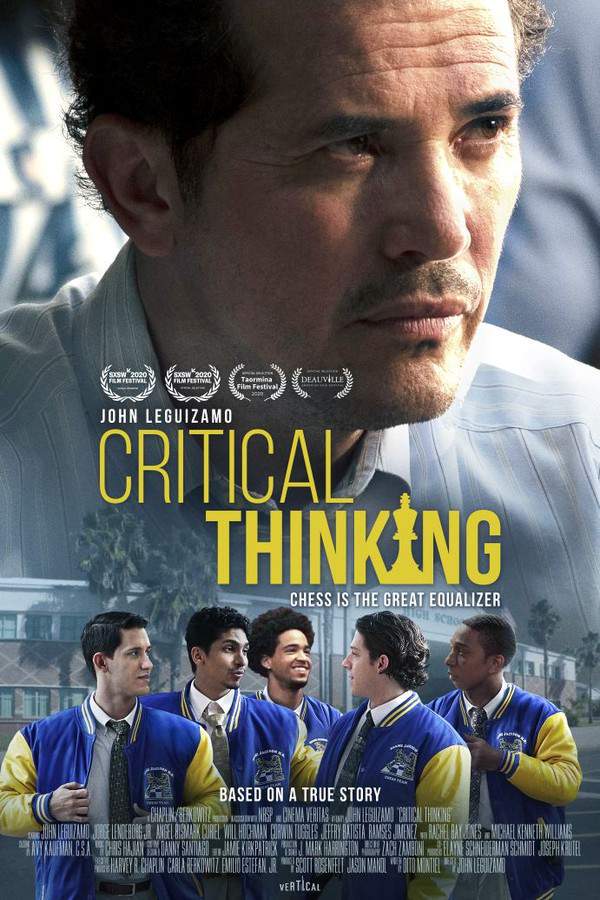
Critical Thinking is a 2020 drama starring Jeffry Batista as Marcel Martinez, Corwin C. Tuggles and Michael Kenneth Williams. It runs 1 hour 57 minutes and earned $20,322 worldwide on a $3 million budget. Critics gave it 97% on Rotten Tomatoes and 65 on Metacritic, and IMDb users rate it 6.5/10. Stream it on Kanopy and Wonder Project, or rent or buy it on Amazon Video and Apple TV Store.
- Released
- Runtime
- 1h 57m (117 min)
- Genre
- Drama
- Original language
-
 English
 - Studio
- Vertical Entertainment
- Budget
- $3M
- After the credits
- No No extra scene
What Is Critical Thinking About?
The premise of Critical Thinking without spoilers. The whole story is in the plot summary further down.
In 1998 Miami, a community faces challenges including poverty and fractured families, compounded by systemic bias. A group of determined teenagers finds purpose and escape through chess. Guided by the enthusiastic coach Mr. "T" Martinez, they develop not only their strategic skills but also confront issues of class, race, and background, proving that dedication and intellect can overcome any obstacle.
Critical Thinking Themes & Keywords
· 17 tags- city
- miami florida
- chess
- chess game
- chess player
- playing chess
- chess tournament
- chess match
- chess team
- inner city
- inner city youth
- actor director producer
+5 more Show fewer
- high school teacher
- high school coach
- ghetto
- teacher
- based on true story
Where to Watch Critical Thinking
Stream it on Kanopy and Wonder Project, or rent or buy it from Amazon Video and Apple TV Store. US availability and prices from JustWatch.
Stream 2
 Kanopy
  Wonder Project Amazon Channel




Streaming availability in the US, powered by 
Critical Thinking Cast & Characters
Jeffry Batista leads the cast as Marcel Martinez, with Corwin C. Tuggles as Sedrick Roundtree and Michael Kenneth Williams as Mr. Roundtree.
- Jeffry Batista as Marcel Martinez
- Corwin C. Tuggles as Sedrick Roundtree
-
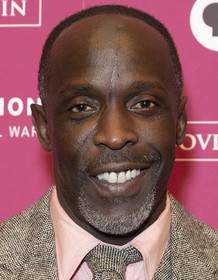 Michael Kenneth Williams as Mr. Roundtree
 -
 John Leguizamo as Mr. Martinez
Also Starring in Critical Thinking
· 6 more- Jorge Lendeborg Jr. Oelmy 'Ito' Paniagua
- Angel Bismark Curiel Rodelay Medina
- Will Hochman Gil Luna
- Rachel Bay Jones Principal Kestel
- Ramses Jimenez Andre
- Zora Casebere Chanayah
Critical Thinking Reviews & Ratings
Critics gave Critical Thinking 97% on Rotten Tomatoes and 65 on Metacritic, and IMDb users rate it 6.5/10. Our Echo Score gives it 75/100, strongest in art & craft (80) and weakest in rewatch factor (60).
Critical Thinking Echo Score Breakdown
Critical Thinking delivers an uplifting portrayal of an underdog chess team overcoming systemic barriers. Critics consistently highlight John Leguizamo’s assured directorial debut and the cast’s genuine performances that foster audience investment despite occasional narrative clichés. Viewers commend the film’s emotional resonance and inspirational arc, while noting moments of predictable plotting and familiar tropes. On balance, the film offers a compelling and hope-infused experience that resonates through its strong ensemble and purposeful storytelling.
Our own 0–100 rating, built from five aspects: art, character, story, the sensory experience and how well a film rewatches.
- Art & Craft 80
In terms of art and craft, the film benefits from a confident directorial debut and straightforward docudrama style. Observers appreciate the clear visual storytelling and measured pacing that support the chess scenes, though there is little stylistic innovation beyond functional camerawork. While the production design evokes an authentic inner-city setting, the editing occasionally feels formulaic. Overall, the technical execution reliably serves the narrative without calling attention to itself.
- Character & Emotion 75
When it comes to character and emotion, the ensemble delivers authentic and engaging performances. Reviewers note that the cast generates sympathetic connections, and viewers praise the portrayal of diverse backgrounds and emotional stakes. However, some critiques point to stereotypical characterizations and familiar underdog archetypes that limit deeper complexity. Ultimately, the film’s warm-hearted portrayals create meaningful investment even if certain character arcs feel predictable.
- Story & Flow 65
In terms of story and flow, the underdog narrative provides an inspiring framework that motivates audience engagement. Critics and viewers alike acknowledge the motivational trajectory and thematic focus on overcoming systemic challenges. At the same time, the plot leans heavily on familiar tropes with occasional scattershot pacing and predictable beats. In sum, the story succeeds in delivering an uplifting message despite its conventional structure.
- Sensory Experience 70
When it comes to sensory experience, the film employs a restrained docudrama approach with unobtrusive sound design and an understated musical score. The visual style remains coherent, emphasizing authentic locations and straightforward compositions that enhance immersion. Although there is limited experimentation in lighting or soundtrack, the clean aesthetic supports the narrative’s emotional tone. Overall, the sensory elements reinforce the story without overwhelming it.
- Rewatch Factor 60
In terms of rewatch factor, the film’s emotional resonance and inspirational theme offer some lasting appeal. Viewers may return for the cast’s performances and the motivating underdog storyline. Yet the familiarity of the plot and predictable turns may reduce repeat viewing for those seeking novelty. Overall, the film maintains moderate rewatch value, rooted in its heartfelt message rather than surprising developments.
-
 IMDb
IMDb 6.5 /10
See on IMDb -
 Rotten Tomatoes
 97% Tomatometer
Popcornmeter 90%
See on Rotten Tomatoes -
 Metacritic
 65 Metascore
User score 3.6
See on Metacritic -
 TMDB
TMDB 65% User score
See on TMDB -
 Letterboxd
 3.2 /5
3 ratings
See on Letterboxd -
 Movie Insider
 4.0 /5
See on Movie Insider
Critical Thinking Plot Summary
What happens in Critical Thinking from start to finish, spoilers included, with a timeline of 15 key events. The opening is below; the full summary is a 3-minute read.
Spoilers ahead
In the scorching summer of 1998, inner-city Miami becomes the stage for Sedrick’s transformative journey—a young African-American student navigating the difficulties of life without his mother. Sedrick’s father, played by Michael Kenneth Williams, an avid chess enthusiast, heavily influences his life, although their relationship is tinged with a subtle tension due to their differing priorities. When Sedrick opts for a chess class, thinking it would be an easy choice, he unwittingly sets off a series of events that will dramatically influence his future.
Full summary
The whole story of Critical Thinking, scene by scene
Critical Thinking Box Office & Budget
Critical Thinking grossed $20,322 worldwide on a $3 million budget.
Worldwide gross
$20.3K
- International
- $20.3K
- Budget
- $3M
Critical Thinking Trailers & Videos
The trailer of Critical Thinking.
How Well Do You Know Critical Thinking?
10 questions about the story, each with a hint if you get stuck. Pick an answer to see whether you were right.
Question 1 of 10
- Question 1: not answered
- Question 2: not answered
- Question 3: not answered
- Question 4: not answered
- Question 5: not answered
- Question 6: not answered
- Question 7: not answered
- Question 8: not answered
- Question 9: not answered
- Question 10: not answered
What year does the movie take place in?
Critical Thinking Also Known As
17 alternative titles, including “Королевский гамбит [Critical Thinking (2019)]” and “Королевский гамбит”.
- Also known as
-
- Королевский гамбит [Critical Thinking (2019)]
- Королевский гамбит
- 贫民窟的冠军队
- Debiut
- Pensamiento crítico
- 高校棋蹟
- 비판적 사고
- המלכים של מיאמי
- Échec et Mat
- Šachová partie
- Kritinis mąstymas
- لحظات معقدة
+5 more Show fewer
- Критичне мислення
- Eleştirel Düşünce
- Mentes Brilhantes
- Най-великата игра
- Gândire critică
Seen Critical Thinking?
Movies Like Critical Thinking
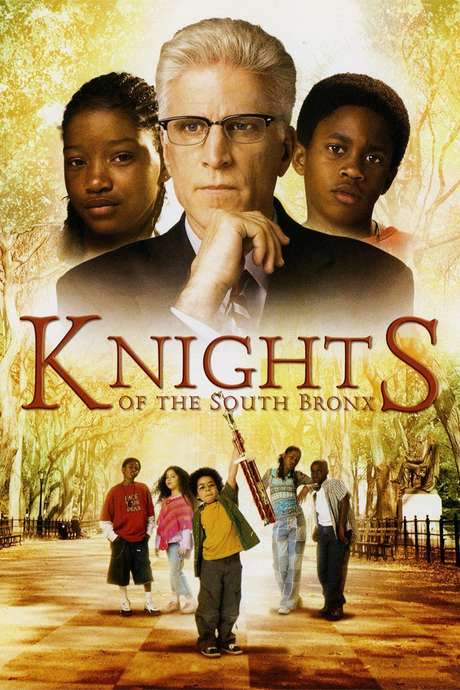
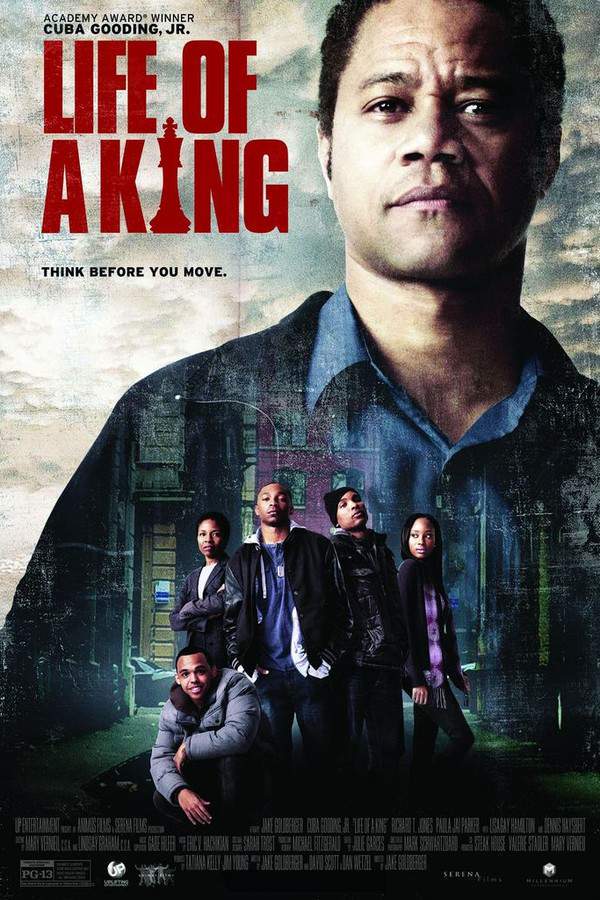
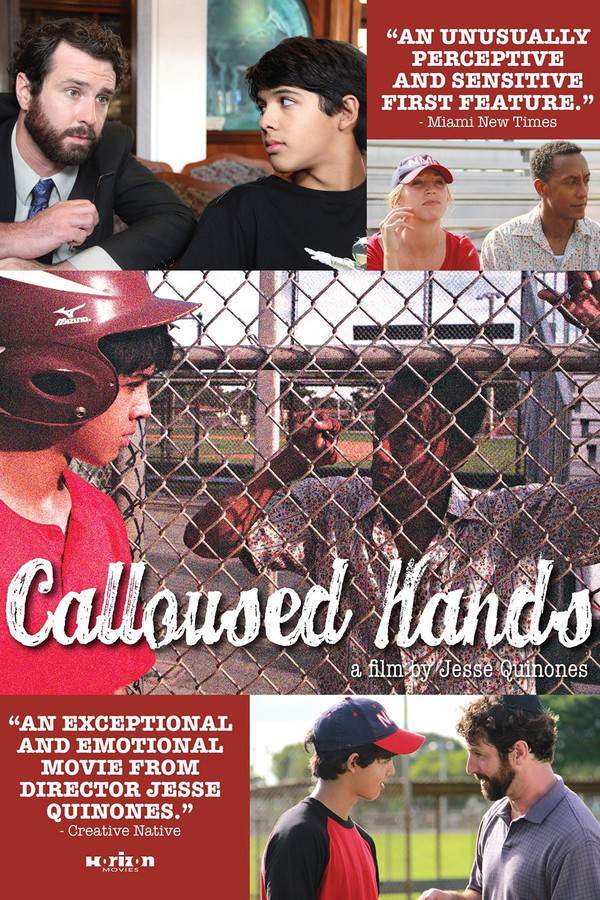
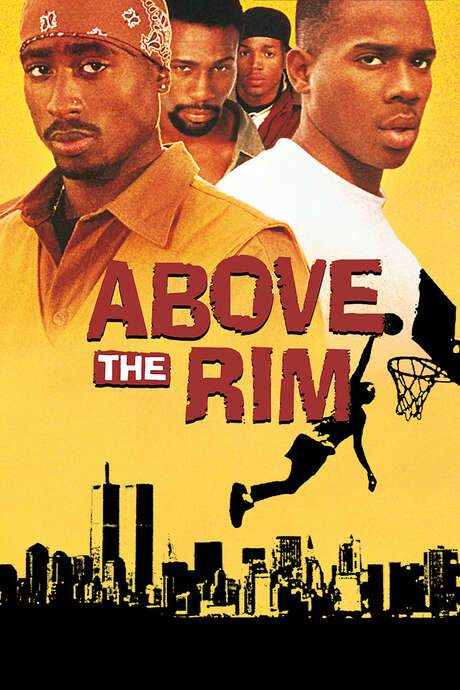
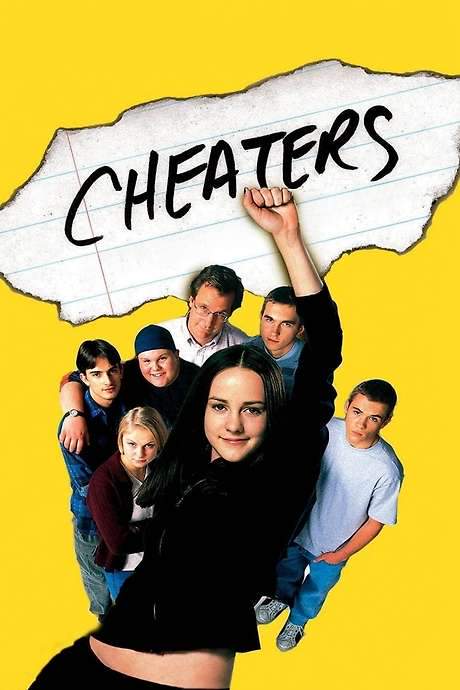
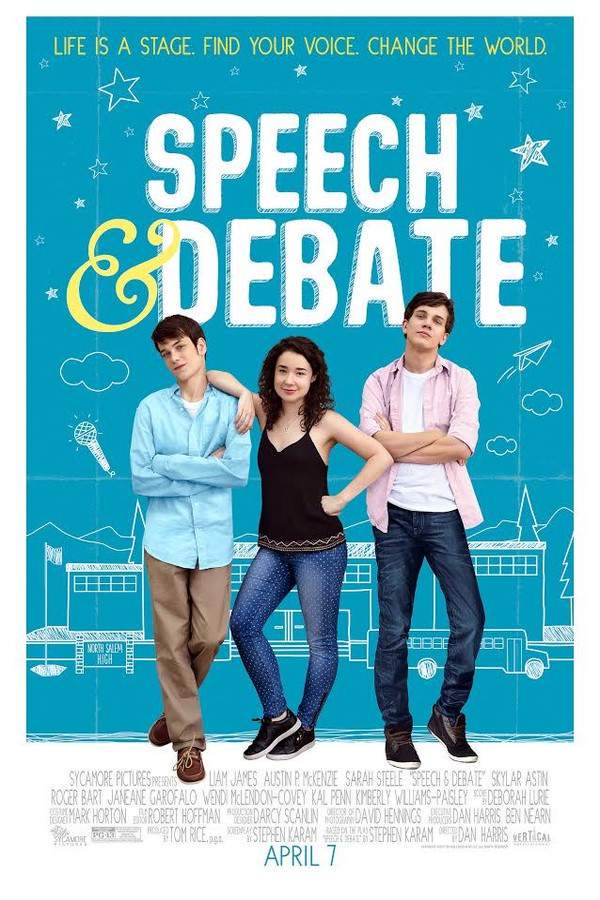
Films with a similar story, tone or audience, including Knights of the South Bronx, The Dark Horse and Life of a King.






Critical Thinking FAQ: Where to Watch, Cast & Box Office
Runtime, release date, cast, where to watch, box office, ratings and post-credit scenes of Critical Thinking, each answered in a sentence.
How long is Critical Thinking?
Critical Thinking runs 1 hour 57 minutes (117 minutes).
When was Critical Thinking released?
Critical Thinking was released on September 4, 2020.
Who is in the cast of Critical Thinking?
Critical Thinking stars Jeffry Batista as Marcel Martinez, Corwin C. Tuggles as Sedrick Roundtree and Michael Kenneth Williams as Mr. Roundtree, among 10 credited actors.
Where can I watch Critical Thinking?
In the US, Critical Thinking is streaming on Kanopy and Wonder Project and available to rent or buy on Amazon Video, Apple TV Store and Fandango At Home (availability from JustWatch).
How much did Critical Thinking make at the box office?
Critical Thinking grossed $20,322 worldwide on a budget of $3 million.
How is Critical Thinking rated?
Critical Thinking has 6.5/10 on IMDb, 97% on Rotten Tomatoes, 65 on Metacritic and 65% on TMDB.
Does Critical Thinking have a post-credit scene?
No. Critical Thinking has no extra scene during or after the credits.
Coming soon to your phone
The Plot Explained Movie Summary App
From blockbusters to hidden gems: plot summaries, endings explained and timelines on your phone. Save your favorites and never miss a twist again.
Be the first to know when it launches. Your email stays private, always. Learn more about the app
