Cries from the Heart 1994


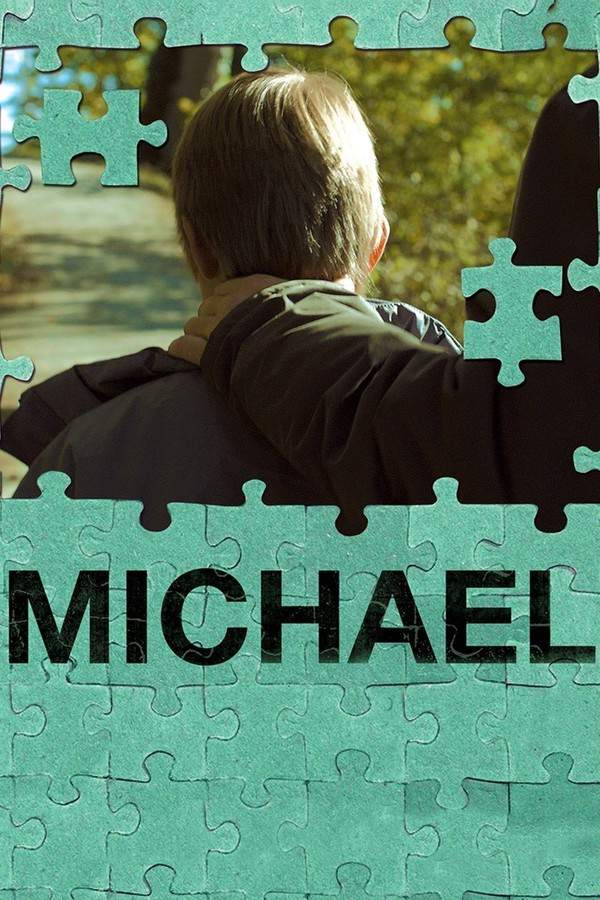
Michael, a young autistic boy who struggles to verbalize his thoughts but possesses a keen talent for technology, secretly programs his computer to send a desperate online plea for help after he is molested at school, showing how a special voice can become his only lifeline.


Does Cries from the Heart have end credit scenes?
No!
Cries from the Heart does not have end credit scenes. You can leave when the credits roll.
Where to Watch Cries from the Heart
See current US streaming, rental, and purchase options for Cries from the Heart (1994) via JustWatch.









Meet the Full Cast and Actors of Cries from the Heart
Explore the complete cast of Cries from the Heart, including both lead and supporting actors. Learn who plays each character, discover their past roles and achievements, and find out what makes this ensemble cast stand out in the world of film and television.




External Links and Streaming Options
Discover where to watch Cries from the Heart online, including streaming platforms, rental options, and official sources. Compare reviews, ratings, and in-depth movie information across sites like IMDb, TMDb, Wikipedia or Rotten Tomatoes.






Take the Ultimate Cries from the Heart Movie Quiz
Challenge your knowledge of Cries from the Heart with this fun and interactive movie quiz. Test yourself on key plot points, iconic characters, hidden details, and memorable moments to see how well you really know the film.
Cries from the Heart Quiz: Test your knowledge of the 1994 drama *Cries from the Heart*, which follows Karen Barth, her autistic son Michael, and the people who help him find his voice.
Which actress portrays Karen Barth, Michael's mother?
Full Plot Summary and Ending Explained for Cries from the Heart
Read the complete plot summary of Cries from the Heart, including all major events, twists, and the full ending explained in detail. Explore key characters, themes, hidden meanings, and everything you need to understand the story from beginning to end.
Karen Barth, Melissa Gilbert is the divorced mother of Michael, a 7-year-old nonverbal autistic boy. After an incident where Michael wanders away from home, Karen’s ex-husband Roger, Markus Flanagan realizes that Michael may need more specialized care than she can provide, and suggests Michael be sent to a special residential school. Roger’s concern mirrors a deeper search for supportive options, setting the stage for a journey that looks to unlock new ways for Michael to connect with the world around him.
Karen reluctantly enrolls him after therapist Terry Wilson explains how the program will be able to help Michael. Under Patty Duke as Terry Wilson’s care, Michael begins gradually making progress, learning to communicate by pointing to pictures, and doing chores such as making his bed and helping prepare meals in the cottage he shares with his caretaker, Jeff. The environment of the school, the routine, and the patient guidance start shaping small, tangible steps in Michael’s day-to-day life, providing a framework where his abilities can surface and be appreciated.
Jeff is initially skeptical and dismissive, insisting that Michael isn’t capable and that the methods will not work. He mutters that Michael is “not that bright” and that he “can’t even spell.” > not that bright > can’t even spell. This early resistance tests Terry’s resolve and the team’s patience, highlighting the real tension between established expectations and the potential of assisted communication to reveal Michael’s inner thoughts.
Despite the early doubts, Eliot, Roger Aaron Brown the school head, reluctantly agrees to give Terry a one-month trial period with Michael to see if the approach can yield meaningful progress. Michael initially types gibberish, but a breakthrough occurs when Karen comes for a visit and Michael types out “MOM HI.” The moment signals a genuine connection and a potential bridge between Michael and the people who care for him, a turning point that reframes what everyone thought possible.
He then reveals something Karen had never known when he types “DAD GONE” and “I BRAK CAR MY FALT.” Karen explains that the night she and Roger divorced, Michael became upset and broke the car window, and she assures him that the car was not the reason for their separation. This emotional disclosure helps Karen and Roger see that Michael holds memories and feelings he’s beginning to communicate, and it gives them a chance to address the past with honesty and care.
Karen shares news of her first conversation with Michael to an initially skeptical Roger, admitting she was wrong about Terry at first and thanking him for recommending the school. After acknowledging that Michael thought the divorce was his fault, Roger expresses guilt over never fully explaining his departure, but Karen reassures him that she set Michael straight and that, even if he isn’t convinced yet, he’ll now be able to tell them what really happened.
Trouble soon looms when Jeff leaves for a vacation. Michael begins having nightmares, neglecting his chores, and becoming harder to manage. When Terry asks him why, he types out “JEFF,” “KEEP JEFF AWAY,” and “SEX.” This troubling set of messages reveals the dark reality of abuse Michael endured, and Terry’s careful handling of the information becomes a crucial moment for the ongoing case and Michael’s safety. Terry realizes that Jeff sexually abused Michael, a painful discovery that triggers a harsh confrontation with Karen, who demands that Michael be pulled from the school for safety. Terry, however, insists that Michael needs the school, emphasizing the progress he has achieved despite the abuse. Michael himself expresses a clear wish to stay, typing “I STAY,” underscoring his trust in the therapeutic environment and the people who care for him.
Jeff is arrested, and a detective questions Michael about the abuse. The detective accepts Michael’s testimony as credible and remarks to Terry on how impressive this form of communication is, validating the potential of assisted communication to illuminate truth in difficult cases.
All is not well for Karen, however. Feeling hurt that Michael had placed trust in Terry rather than his own mother, Karen cuts off contact, not answering calls or attending visits and retreating into the sanctuary of her home. Terry decides to intervene, visiting Karen and explaining that, despite all the school has achieved for Michael, he still needs Karen in his life and that their collaboration remains essential. This visit helps Karen see the bigger picture and motivates her to re-engage with Michael’s progress.
The trial preparation is an uphill battle: Jeff has recanted his confession, and the court is reluctant to accept Michael’s testimony due to the lack of scientific support for facilitated communication. The jury eventually allows Michael to testify, and while the district attorney’s questions go smoothly, Michael becomes agitated during the cross-examination by Jeff’s attorney, prompting the judge to call a recess. The defense seeks a mistrial, but a compromise is reached: another cross-examination will take place in a separate area, relayed back to the courtroom via closed-circuit TV. Despite ongoing challenges to the method and the testimony, the jury ultimately finds Jeff guilty.
The film closes with a quiet, hopeful scene: Karen and Terry watch Michael play on the swing, and they acknowledge that their work together is far from finished, but they also recognize that they’ve formed a strong, collaborative team capable of continuing Michael’s growth. The ending underscores the film’s core message: progress is possible when patience, care, and shared resolve illuminate a path forward for a vulnerable child and the people who love him.

Coming soon on iOS and Android
The Plot Explained Mobile App
From blockbusters to hidden gems — dive into movie stories anytime, anywhere. Save your favorites, discover plots faster, and never miss a twist again.
Sign up to be the first to know when we launch. Your email stays private — always.
Explore the mobile appDiscover Film Music Concerts Near You – Live Orchestras Performing Iconic Movie Soundtracks
Immerse yourself in the magic of cinema with live orchestral performances of your favorite film scores. From sweeping Hollywood blockbusters and animated classics to epic fantasy soundtracks, our curated listings connect you to upcoming film music events worldwide.
Explore concert film screenings paired with full orchestra concerts, read detailed event information, and secure your tickets for unforgettable evenings celebrating legendary composers like John Williams, Hans Zimmer, and more.


Cars Featured in Cries from the Heart
Explore all cars featured in Cries from the Heart, including their makes, models, scenes they appear in, and their significance to the plot. A must-read for car enthusiasts and movie buffs alike.
Cries from the Heart Themes and Keywords
Discover the central themes, ideas, and keywords that define the movie’s story, tone, and message. Analyze the film’s deeper meanings, genre influences, and recurring concepts.
Cries from the Heart Other Names and Titles
Explore the various alternative titles, translations, and other names used for Cries from the Heart across different regions and languages. Understand how the film is marketed and recognized worldwide.
Similar Movies To Cries from the Heart You Should Know About
Browse a curated list of movies similar in genre, tone, characters, or story structure. Discover new titles like the one you're watching, perfect for fans of related plots, vibes, or cinematic styles.






Quick Links: Summary, Cast, Ratings, More

What's After the Movie?
Not sure whether to stay after the credits? Find out!
Check out our other apps:

SAT Sphere
Build confidence for the Digital SAT.

Mori Atlas
Discover wild places worth protecting.

Luntero
Search smarter for a home in Amsterdam.

Plot Explained
Unravel movie endings and hidden clues.

Pokechamp
Dive into Pokémon data and battle logic.

Driving Theory
Get ready for your European theory test.

Movie Dust
Plan your next cinema trip with ease.

Musemap
Find art and culture as you travel.

Selkobase
Compare credentials before committing.

Local Manual
Turn an unfamiliar country into practical next steps.

Lernavi
Compare school systems before your next move.

GymRoam
Find a workout stop wherever your plans take you.
Explore Our Movie Platform
New Movie Releases (2026)
Famous Movie Actors
Top Film Production Studios
Movie Plot Summaries & Endings
Major Movie Awards & Winners
Best Concert Films & Music Documentaries
Movie Collections and Curated Lists
© 2026 What's After the Movie. All rights reserved.
Privacy Policy