Chhutir Ghonta 1980

Based on a True Story A 12-year old schoolboy mistakenly gets locked in the school’s washroom by the caretaker.


Does Chhutir Ghonta have end credit scenes?
No!
Chhutir Ghonta does not have end credit scenes. You can leave when the credits roll.
Meet the Full Cast and Actors of Chhutir Ghonta
Explore the complete cast of Chhutir Ghonta, including both lead and supporting actors. Learn who plays each character, discover their past roles and achievements, and find out what makes this ensemble cast stand out in the world of film and television.

External Links and Streaming Options
Discover where to watch Chhutir Ghonta online, including streaming platforms, rental options, and official sources. Compare reviews, ratings, and in-depth movie information across sites like IMDb, TMDb, Wikipedia or Letterboxd.




Full Plot Summary and Ending Explained for Chhutir Ghonta
Read the complete plot summary of Chhutir Ghonta, including all major events, twists, and the full ending explained in detail. Explore key characters, themes, hidden meanings, and everything you need to understand the story from beginning to end.
In a quiet, tense opening, the film ushers us into a mental asylum where a lone bell tolls through the halls. The sound triggers a fierce reaction in [Abbas Mia], a longtime caretaker at Nilgiri Multipurpose High School who is quickly edged toward violence by the ringing. A new doctor arrives, curious about the outburst, and asks why the bell makes Abbas Mia lose control. Instead of answering directly, Abbas Mia begins to tell a story that spans years and landscapes, inviting the doctor to listen as if a different life might offer some relief from the present.
The tale shifts to a younger era when Abbas Mia tended to the students and staff at the school, and a boy named Khokon becomes a central figure in his world. Khokon is deeply loved: by his mother, who grieves the loss of Khokon’s father, by the students and teachers who admire his warmth, and by Abbas Mia himself, who treats the boy with a mixture of affection and responsibility. The school becomes a little universe in which Khokon moves with an easy charm, and Abbas Mia is a steady presence, always attentive to the boy’s needs.
As Eid-ul-Azha approaches, Khokon is excited by the idea of visiting his maternal grandfather, Pondit. The plan is simple and hopeful: a family reunion, a chance to see relatives, and a break from the routine of school life. Before the holiday begins, Khokon and his mother visit shops, and the boy’s enthusiasm is infectious, drawing smiles from those who watch him move with a child’s easy confidence. A visiting magic show he spots on the way sparkles with wonder, and he asks his mother if they can attend, a request she quickly grants, delighted by his innocent delight.
Yet the day’s end brings a sudden, troubling turn. As the school year closes and the Eid holidays are about to begin, Khokon waits for his ride home. When the car arrives late, he slips away to use the washroom, only to discover that Abbas Mia has inadvertently locked him inside. At first, Khokon suspects a prank by friends, but the realization sinks in: he is trapped, and everyone else has left. His mother, frantic with worry, checks the homes of friends and nearby places, while Abbas Mia and others begin a broader search that spans the hospital and the police, yet Khokon remains unseen.
The boy adapts to an impossible situation with quiet resolve. He drinks from the school taps, eats the lunch his mother prepared, and even scribbles messages on the bathroom walls in the faint hope that someone will find them. In his isolation, he fashions a fragile plan: he discovers a small window high above the washroom and tries with all his might to reach it, only to fall and injure himself. Undeterred, he writes a letter in his notebook, crumples it, and threads it out through the window, praying someone will discover his plea.
Days stretch into an exhausted routine. When the water dwindles, Khokon discovers a trickle above a toilet and uses it, but a misstep sends the last drop down the drain. Back at home, his mother’s grief deepens to a point where she stops eating, her heart breaking with each passing moment. Abbas Mia, tormented by the image of Khokon, dreams of the boy trapped in the bathroom and wakes with a sense of urgency to beg the principal for the keys that could free him. The principal dismisses the dream as a product of affectionate fixation, and the dream dissolves into a bitter irony the moment the reality of the situation returns.
With the Eid prayers looming, Khokon clings to a fragile hope that he can be heard. He hears that the prayers will be held at the school, then learns a storm forces a change of plan and the prayers will be held at the mosque instead. The change shatters the last strands of Khokon’s hope, and his mother’s strength collapses as she faints, overwhelmed by grief and fear for her son.
When classes resume after the holidays, the school is a scene of frantic activity as adults search for closure and answers. While Abbas Mia and Anguri ma’am, Anguri, work to clean and unlock rooms, a chilling discovery is made in the bathroom: Khokon’s lifeless body is found. The shock reverberates through the school as Abbas Mia, confronted with the evidence of the tragedy, reads Khokon’s wall writings and confronts the weight of responsibility he has carried for so long. The truth eyes him—he feels the guilt of the boy’s death and seeks to shoulder it, even as others struggle to reconcile with what has happened.
The aftermath is swift and cruel. Abbas Mia takes the blame for Khokon’s death and is arrested, a stark consequence of a moment’s error that spiraled into a fatal end. Khokon’s mother learns of the discovery and, in a moment of profound sorrow, is shown carrying her dead son away from the school as staff, students, and police follow in numb procession. The world that once found safety within the walls of Nilgiri Multipurpose High School feels suddenly hollow and unforgiving.
Back in the asylum, the doctor listens as Abbas Mia finishes his tale, not with triumph but with a raw, aching honesty. He reveals that while others have their breaks and respite, he has endured a never-ending cycle of guilt, memory, and confusion. The doctor’s pity is quiet but tangible, a reminder that some stories cling to the psyche with an unrelenting grip. The film ends on this somber note—an examination of responsibility, memory, and the costs of care—leaving the audience to weigh where blame ends and humanity begins.

Coming soon on iOS and Android
The Plot Explained Mobile App
From blockbusters to hidden gems — dive into movie stories anytime, anywhere. Save your favorites, discover plots faster, and never miss a twist again.
Sign up to be the first to know when we launch. Your email stays private — always.
Explore the mobile appDiscover Film Music Concerts Near You – Live Orchestras Performing Iconic Movie Soundtracks
Immerse yourself in the magic of cinema with live orchestral performances of your favorite film scores. From sweeping Hollywood blockbusters and animated classics to epic fantasy soundtracks, our curated listings connect you to upcoming film music events worldwide.
Explore concert film screenings paired with full orchestra concerts, read detailed event information, and secure your tickets for unforgettable evenings celebrating legendary composers like John Williams, Hans Zimmer, and more.


Chhutir Ghonta Themes and Keywords
Discover the central themes, ideas, and keywords that define the movie’s story, tone, and message. Analyze the film’s deeper meanings, genre influences, and recurring concepts.

Unlock the World of Movies with Our Comprehensive Wiki
Dive into our Movie Wiki for in-depth film encyclopedia entries, including cast biographies, production trivia, plot synopses, behind-the-scenes facts, and thematic analyses. Whether you’re researching iconic directors, exploring genre histories, or discovering hidden easter eggs, our expertly curated movie database has everything you need to fuel your cinematic passion.
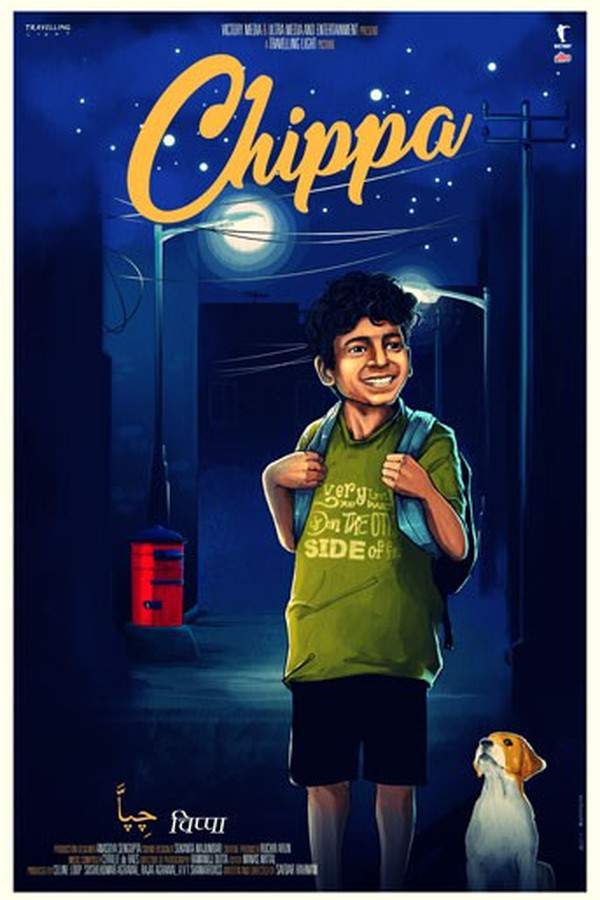
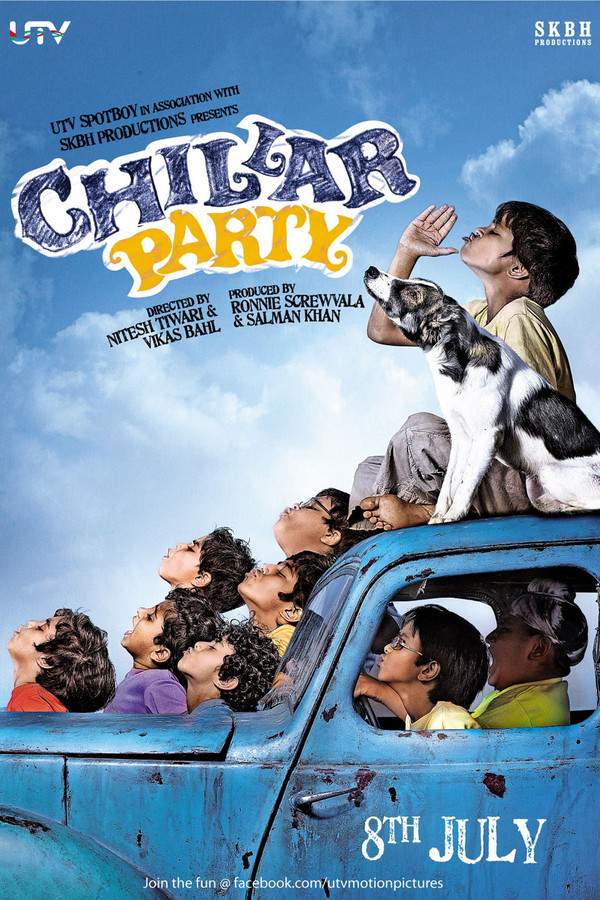
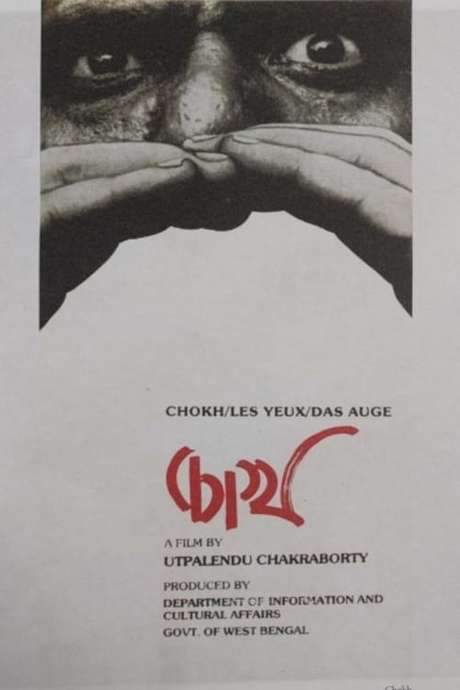
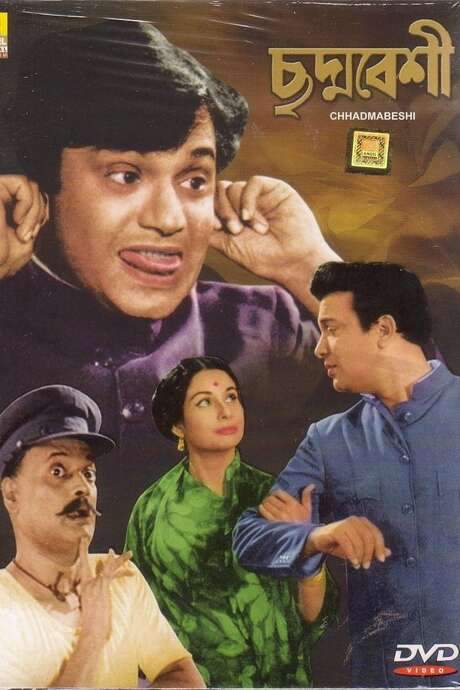
Similar Movies To Chhutir Ghonta You Should Know About
Browse a curated list of movies similar in genre, tone, characters, or story structure. Discover new titles like the one you're watching, perfect for fans of related plots, vibes, or cinematic styles.










Quick Links: Summary, Cast, Ratings, More

What's After the Movie?
Not sure whether to stay after the credits? Find out!
Check out our other apps:

SAT Sphere
Build confidence for the Digital SAT.

Mori Atlas
Discover wild places worth protecting.

Luntero
Search smarter for a home in Amsterdam.

Plot Explained
Unravel movie endings and hidden clues.

Pokechamp
Dive into Pokémon data and battle logic.

Driving Theory
Get ready for your European theory test.

Movie Dust
Plan your next cinema trip with ease.

Musemap
Find art and culture as you travel.

Selkobase
Compare credentials before committing.

Local Manual
Turn an unfamiliar country into practical next steps.

Lernavi
Compare school systems before your next move.

GymRoam
Find a workout stop wherever your plans take you.
Explore Our Movie Platform
New Movie Releases (2026)
Famous Movie Actors
Top Film Production Studios
Movie Plot Summaries & Endings
Major Movie Awards & Winners
Best Concert Films & Music Documentaries
Movie Collections and Curated Lists
© 2026 What's After the Movie. All rights reserved.
Privacy Policy