Burra Katha 2019


Abhiram is a man born with two brains – splitting into the massy Abhi and classy Ram whenever triggered by loud noises. How he copes with it forms the crux of the story.


Does Burra Katha have end credit scenes?
No!
Burra Katha does not have end credit scenes. You can leave when the credits roll.
Meet the Full Cast and Actors of Burra Katha
Explore the complete cast of Burra Katha, including both lead and supporting actors. Learn who plays each character, discover their past roles and achievements, and find out what makes this ensemble cast stand out in the world of film and television.



External Links and Streaming Options
Discover where to watch Burra Katha online, including streaming platforms, rental options, and official sources. Compare reviews, ratings, and in-depth movie information across sites like IMDb, TMDb, Wikipedia or Rotten Tomatoes.





Full Plot Summary and Ending Explained for Burra Katha
Read the complete plot summary of Burra Katha, including all major events, twists, and the full ending explained in detail. Explore key characters, themes, hidden meanings, and everything you need to understand the story from beginning to end.
Two minds, one life: a boy and his split world
The narrative centers on a boy named Abhiram whose behavior shifts according to the situation he faces, a peculiarity that unsettles his father, Eeswar Rao. After a troubling pattern is noticed, Eeswar Rao seeks help from a neurosurgeon, Prabhudas, hoping to understand what lies behind these dramatic changes. The medical revelation is astonishing: Abhiram is born with two brains and two distinct personalities that are triggered by loud noises. To cope with this extraordinary condition, Eeswar Rao makes the difficult decision to raise Abhiram as two separate people who share the same life, dividing and alternating time between them. Hence, Abhiram becomes Abhi, the rough, easygoing, sometimes lazy playboy, and Ram, the sharp, bright, disciplined mind who desires a life of bachelorhood and deep intellectual pursuits.
This split existence carries its own tensions. Abhi and Ram are not merely different tastes in life; they are two halves of the same whole, each with their own desires and limitations. Abhi enjoys spontaneity, risk, and a carefree attitude, while Ram is purposeful, calculating, and driven by a strong sense of responsibility. The pair’s coexistence breeds internal conflict, as Abhi’s impulsive choices sometimes sabotage Ram’s well-laid plans, and vice versa. Abhiram’s longing for a cohesive sense of self evolves into a more painful self-awareness: beneath their distinct personas, both Abhi and Ram wrestle with a feeling of self-doubt and insecurity, a sense that they are incomplete when seen through the other’s lens. The result is a nuanced portrayal of identity, where friendship, ambition, and love collide with an uneasy self-acceptance.
Into this carefully balanced world enters Happy, a charming young woman who catches Abhi’s eye. He falls for her, envisioning a future colored by affection and shared moments. Yet the heart of Ram remains reserved, because Ram has his own girlfriend, Aascharya, whose presence further complicates the emotional map. The love triangle—if it can be called that when the lovers live inside one person—places Abhi and Ram at odds over whom Happy will fall for: her warmth seems to draw her toward Ram’s humanity and depth, even as Abhi’s ardor and charisma pull her toward the impulsive, lively surface that he offers. This dynamic intensifies as the two personalities test the boundaries of love and loyalty, highlighting how genuine connection can transcend even the most fractured identities.
The plot thickens with a side confrontation involving a goon named Gagan Vihari, who becomes a dangerous threat to Abhiram. The danger is not merely physical; it presses upon the fragile balance between Abhi and Ram. The threat to Abhiram’s safety forces both personalities to reckon with the consequences of their dual existence and the fragility of their carefully maintained life. The danger also serves as a catalyst that reshapes the central relationship: it tests how far Abhi and Ram will go to protect what they care about, including the people who matter to them, and whether love can survive the strain of fear and violence.
As the relationship between Abhi and Happy deepens, the couple contemplates marriage. Abhi tentatively agrees to a plan that would secure the union, even suggesting to hypnotize Happy’s father as a means to ease the way forward. A dramatic shift occurs when the wedding preparations bring Abhi’s parents into Happy’s home, where the atmosphere is filled with both expectation and tension. Happy’s father, who exerts a stern control over the proceedings, delivers a stark warning: the marriage must go ahead, and he even hints at using drastic measures to ensure Ram’s alignment with the match rather than Abhi’s. He openly declares a readiness to arrange the marriage for Ram alone and suggests that, if necessary, a brain surgery could eliminate Abhi to protect the arrangement. The moment leaves Eeswar Rao deeply saddened, as the father’s ultimatum reveals the high stakes at play and the emotional cost of choosing between two halves of the same person.
Inside the house, Ram’s behavior mirrors Abhi’s, creating a tense, almost surreal situation. Ram, in a bid to manipulate the outcome, takes on Abhi’s guise to threaten Happy’s father, effectively attempting to trap Abhi into a dangerous corner. The internal dialogue grows louder: Abhi voices his own sense of loss, admitting that his failures—despite being a top student—have often stemmed from the chaotic influence of the other personality who he believes is “scrap.” His confession unfolds over drinks with his father, adding a layer of vulnerability to a character who is typically defined by bravado. This moment of candor deepens the audience’s understanding of how the two halves view their own lives, revealing both a yearning for value and a fear of irrelevance.
The wedding day arrives with its own perils. A revenge-seeking goon resurfaces, threatening Ram, and the tension peaks as the two personalities confront the threat from different angles. Ram experiences a dawning realization: Abhi’s vitality and courage are essential, not just as a counterpoint to Ram’s intellect but as a driving force that can save them both. The awakening moment comes when Ram helps Abhi rise, and together they confront the danger, overpowering the goons and their chief. This climactic sequence emphasizes a key theme: unity can emerge from conflict, and the melding of Abhi and Ram’s strengths is what ultimately protects what matters most—Love, life, and the fragile peace they navigate each day.
In the aftermath, Happy’s feelings receive a candid, heartfelt acknowledgment: she loves both Ram and Abhi, embracing the complexity rather than demanding a single, exclusive version of him. The story resolves in a way that honors that complexity while signaling a new, shared possibility for the two halves of Abhiram. The film closes on a note of intimate resolve, with the two lovers stepping into a private space that hints at a future where both facets of Abhiram coexist with respect, affection, and a renewed sense of belonging.
Throughout, the film balances humor and pathos, offering a nuanced look at identity, love, and the lengths people will go to protect the ones they care for. It invites viewers to consider what makes a person whole: is it a single unbroken self, or a dynamic, evolving fusion of many parts that, when harmonized, can create something stronger than any one piece alone?

Coming soon on iOS and Android
The Plot Explained Mobile App
From blockbusters to hidden gems — dive into movie stories anytime, anywhere. Save your favorites, discover plots faster, and never miss a twist again.
Sign up to be the first to know when we launch. Your email stays private — always.
Explore the mobile appDiscover Film Music Concerts Near You – Live Orchestras Performing Iconic Movie Soundtracks
Immerse yourself in the magic of cinema with live orchestral performances of your favorite film scores. From sweeping Hollywood blockbusters and animated classics to epic fantasy soundtracks, our curated listings connect you to upcoming film music events worldwide.
Explore concert film screenings paired with full orchestra concerts, read detailed event information, and secure your tickets for unforgettable evenings celebrating legendary composers like John Williams, Hans Zimmer, and more.


Burra Katha Themes and Keywords
Discover the central themes, ideas, and keywords that define the movie’s story, tone, and message. Analyze the film’s deeper meanings, genre influences, and recurring concepts.
Burra Katha Other Names and Titles
Explore the various alternative titles, translations, and other names used for Burra Katha across different regions and languages. Understand how the film is marketed and recognized worldwide.
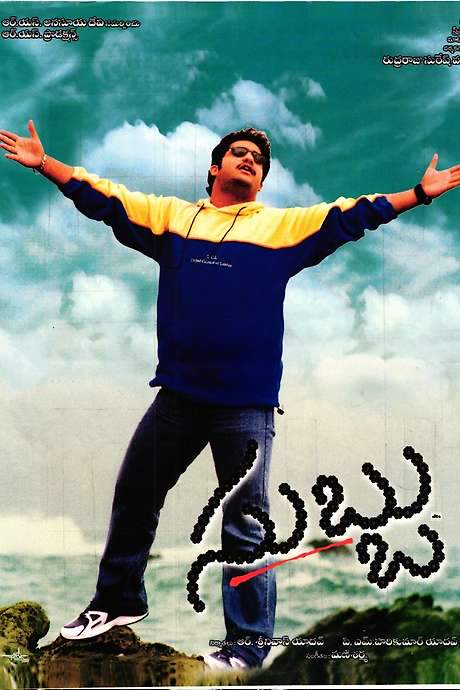
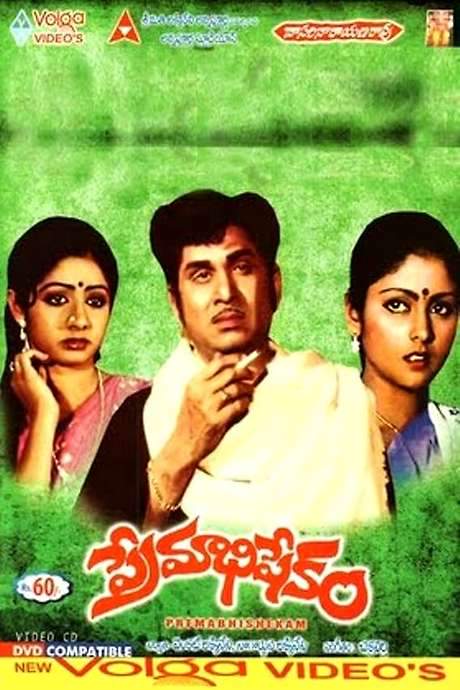
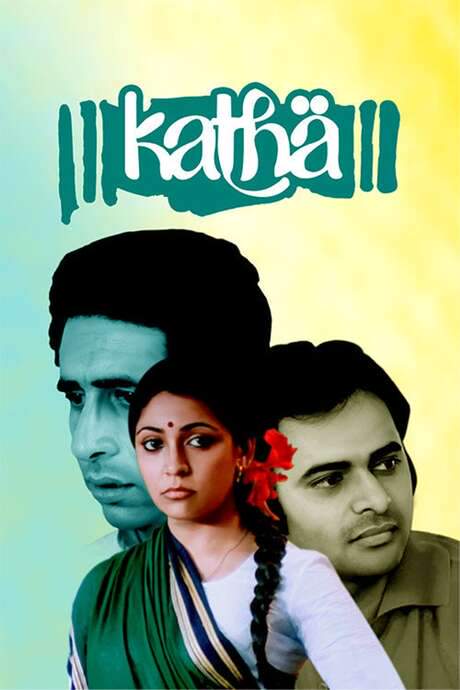
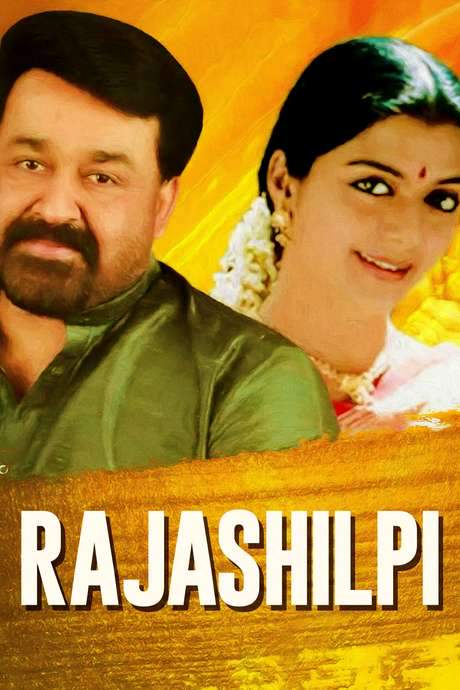
Similar Movies To Burra Katha You Should Know About
Browse a curated list of movies similar in genre, tone, characters, or story structure. Discover new titles like the one you're watching, perfect for fans of related plots, vibes, or cinematic styles.







Quick Links: Summary, Cast, Ratings, More

What's After the Movie?
Not sure whether to stay after the credits? Find out!
Check out our other apps:

SAT Sphere
Build confidence for the Digital SAT.

Mori Atlas
Discover wild places worth protecting.

Luntero
Search smarter for a home in Amsterdam.

Plot Explained
Unravel movie endings and hidden clues.

Pokechamp
Dive into Pokémon data and battle logic.

Driving Theory
Get ready for your European theory test.

Movie Dust
Plan your next cinema trip with ease.

Musemap
Find art and culture as you travel.

Selkobase
Compare credentials before committing.

Local Manual
Turn an unfamiliar country into practical next steps.

Lernavi
Compare school systems before your next move.

GymRoam
Find a workout stop wherever your plans take you.
Explore Our Movie Platform
New Movie Releases (2026)
Famous Movie Actors
Top Film Production Studios
Movie Plot Summaries & Endings
Major Movie Awards & Winners
Best Concert Films & Music Documentaries
Movie Collections and Curated Lists
© 2026 What's After the Movie. All rights reserved.
Privacy Policy