Awakening 2007


After her husband's sudden death, Toshiko's world unravels. Thirty years of a once‑happy marriage disappear when she learns he led a double life. Torn between anger and the chance for a fresh start, she confronts the unknown, navigating uncharted waters as she approaches her 60th birthday, while weeks of grief test her resolve and memories surface.


Does Awakening have end credit scenes?
No!
Awakening does not have end credit scenes. You can leave when the credits roll.
Meet the Full Cast and Actors of Awakening
Explore the complete cast of Awakening, including both lead and supporting actors. Learn who plays each character, discover their past roles and achievements, and find out what makes this ensemble cast stand out in the world of film and television.
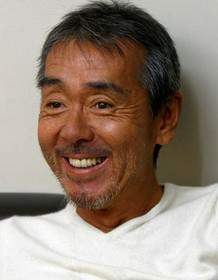
Akira Terao
Takayuki Sekiguchi

Tetsushi Tanaka
Akiyuki Sekiguchi

Kunio Murai

Jun Fubuki
Toshiko Sekiguchi
Yuko Nakamura
Akaji Maro
Haruko Katō
Shigeko Miyasato
Yoshiko Mita
Akiko Ito
Etsushi Toyokawa
Noda
Ryushi Mizukami
Sō Yamanaka
Takako Tokiwa
Miho Sekiguchi
Ryūzō Hayashi
Takayo Mimura
Ken'ichi Nagira
Koshiro Asami
Ippei Souda
External Links and Streaming Options
Discover where to watch Awakening online, including streaming platforms, rental options, and official sources. Compare reviews, ratings, and in-depth movie information across sites like IMDb, TMDb, Wikipedia or Box Office Mojo.






Full Plot Summary and Ending Explained for Awakening
Read the complete plot summary of Awakening, including all major events, twists, and the full ending explained in detail. Explore key characters, themes, hidden meanings, and everything you need to understand the story from beginning to end.
In 1969, in a Bronx hospital, a devoted physician named Dr. Malcolm Sayer dedicates his days to caring for patients who survived the devastating encephalitis lethargica outbreak that swept through the early-20th century. These individuals have remained trapped in catatonic stillness for years, and Sayer’s quiet perseverance leads him to notice something remarkable: simple, human stimuli can provoke moments of life back into the sleeping minds. A patient might respond to catching a ball, hearing a familiar tune, being spoken to by name, or feeling a gentle touch. Each small nudge opens a window into a private world that has otherwise been lost to time. One patient, Leonard Lowe, appears unmoved at first, but Sayer soon learns that Leonard can communicate—indirectly—through a Ouija board, hinting at a deeper inner life that still survives beneath the stillness.
A conference on L-DOPA, a drug showing promise for Parkinson’s disease, convinces Sayer that this treatment could be a breakthrough for his group of catatonic patients. A cautious trial with Leonard yields astonishing results: Leonard wakes, perhaps for the first time in years, and the possibility of a broader awakening seems within reach. Spurred by this success, Sayer seeks funding to extend the medication to all eligible patients, with the hope that many lives might be revived to engage with reality and the present moment.
As Leonard adjusts to his new life, he experiences the joys and complications of awakening. He grows romantically interested in Paula, the daughter of another hospital patient, and begins to crave the freedom that comes with being awake. Yet the hospital’s rigid rules—the walls that confine the patients and the expectations that come with their status—also begin to press in. Leonard challenges the system, voicing his case to Sayer and the administration, and his courage inspires a broader, if quiet, revolt among the other patients who long for autonomy.
But the euphoria of revival proves to be only temporary for many. Sayer notices troubling signs: Leonard develops pronounced facial and body tics, his movements become a stumbling shuffle, and full-body spasms increasingly impede his mobility. Despite the pain, Leonard remains resolute, even asking to be filmed so his experience might contribute to future knowledge. The hospital team remains hopeful as other patients reveal flashes of awareness, yet the effect of L-DOPA wanes, and one by one the awakenings retreat.
As the medicines intensify, the initial triumphs give way to a more sobering pattern: the physical signs of awakening fade, and the patients drift back toward their former states. Leonard and Paula share a final, meaningful luncheon together; Paula invites him to dance, and for a brief moment the rhythm of the dance quiets his spasms and creates a sense of serenity amid struggle. Their moment of connection stands as a poignant symbol of what awakening can mean, even if the body does not sustain it. Afterward, Leonard and Sayer reconcile, yet the others follow the same difficult path back into catatonia, despite escalating doses of the drug.
In addressing a room full of donors, Dr. Sayer reflects on what has truly changed: while the body’s awakenings may be fleeting, a deeper, more lasting awakening has occurred for the patients and for himself. The experience fosters a renewed sense of gratitude for life and expands the staff’s approach to care, prompting them to treat the patients with greater empathy and dignity. Sayer also grows personally, moving beyond his initial shyness to ask Nurse Eleanor Costello for coffee, signaling a shift toward more human, everyday connections within the hospital.
Paula continues to visit Leonard, keeping a fragile link to the world outside the ward. Although Leonard remains largely unresponsive, the story leaves a lasting impression: awakening, in its fullest sense, resides not only in regained physical capability but in a renewed appreciation for life, meaningful human connection, and the possibility that even temporary glimmers of consciousness can transform how people live and how caregivers respond.

Coming soon on iOS and Android
The Plot Explained Mobile App
From blockbusters to hidden gems — dive into movie stories anytime, anywhere. Save your favorites, discover plots faster, and never miss a twist again.
Sign up to be the first to know when we launch. Your email stays private — always.
Explore the mobile appDiscover Film Music Concerts Near You – Live Orchestras Performing Iconic Movie Soundtracks
Immerse yourself in the magic of cinema with live orchestral performances of your favorite film scores. From sweeping Hollywood blockbusters and animated classics to epic fantasy soundtracks, our curated listings connect you to upcoming film music events worldwide.
Explore concert film screenings paired with full orchestra concerts, read detailed event information, and secure your tickets for unforgettable evenings celebrating legendary composers like John Williams, Hans Zimmer, and more.


Cars Featured in Awakening
Explore all cars featured in Awakening, including their makes, models, scenes they appear in, and their significance to the plot. A must-read for car enthusiasts and movie buffs alike.
Awakening Other Names and Titles
Explore the various alternative titles, translations, and other names used for Awakening across different regions and languages. Understand how the film is marketed and recognized worldwide.
Quick Links: Summary, Cast, Ratings, More

What's After the Movie?
Not sure whether to stay after the credits? Find out!
Check out our other apps:

SAT Sphere
Build confidence for the Digital SAT.

Mori Atlas
Discover wild places worth protecting.

Luntero
Search smarter for a home in Amsterdam.

Plot Explained
Unravel movie endings and hidden clues.

Pokechamp
Dive into Pokémon data and battle logic.

Driving Theory
Get ready for your European theory test.

Movie Dust
Plan your next cinema trip with ease.

Musemap
Find art and culture as you travel.

Selkobase
Compare credentials before committing.

Local Manual
Turn an unfamiliar country into practical next steps.

Lernavi
Compare school systems before your next move.

GymRoam
Find a workout stop wherever your plans take you.
Explore Our Movie Platform
New Movie Releases (2026)
Famous Movie Actors
Top Film Production Studios
Movie Plot Summaries & Endings
Major Movie Awards & Winners
Best Concert Films & Music Documentaries
Movie Collections and Curated Lists
© 2026 What's After the Movie. All rights reserved.
Privacy Policy