An Act of Murder 1948


Mercy or Murder? Can you condemn this man? A man kills his terminally ill wife to prevent her further suffering.


Does An Act of Murder have end credit scenes?
No!
An Act of Murder does not have end credit scenes. You can leave when the credits roll.
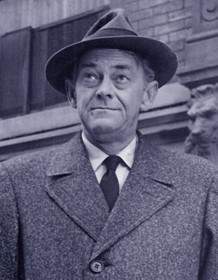
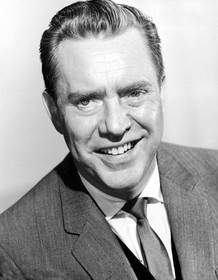
Meet the Full Cast and Actors of An Act of Murder
Explore the complete cast of An Act of Murder, including both lead and supporting actors. Learn who plays each character, discover their past roles and achievements, and find out what makes this ensemble cast stand out in the world of film and television.


External Links and Streaming Options
Discover where to watch An Act of Murder online, including streaming platforms, rental options, and official sources. Compare reviews, ratings, and in-depth movie information across sites like IMDb, TMDb, Wikipedia or Letterboxd.




Take the Ultimate An Act of Murder Movie Quiz
Challenge your knowledge of An Act of Murder with this fun and interactive movie quiz. Test yourself on key plot points, iconic characters, hidden details, and memorable moments to see how well you really know the film.
An Act of Murder: A 1948 courtroom drama that explores the clash between rigid legal doctrine and compassionate moral judgment through a murder case, a secret romance, and a tragic medical diagnosis.
Which actor portrayed Judge Calvin Cooke?
Full Plot Summary and Ending Explained for An Act of Murder
Read the complete plot summary of An Act of Murder, including all major events, twists, and the full ending explained in detail. Explore key characters, themes, hidden meanings, and everything you need to understand the story from beginning to end.
The drama centers on a murder case presided over by the principled but stubborn judge, Fredric March as Judge Calvin Cooke. The courtroom battles hinge on whether the defendant’s state of mind can be considered a mitigating factor, a point that lawyer Edmond O’Brien struggles to prove on behalf of his client, David Douglas.
Ellie Cooke, Geraldine Brooks, Cooke’s daughter and a busy law student, is quietly entangled in a romance with Douglas. She confides to her mother Cathy about her father’s unyielding nature, and the family’s home becomes a quiet arena where clashes of philosophy—between rigid legalism and more compassionate interpretation—play out against a personal backdrop. Cathy, Florence Eldridge, tries to maintain grace and warmth in the face of her husband’s stern demands, insisting that he is a loving husband even as the marriage bears its own quiet strains.
As the story unfolds, Cathy begins experiencing intermittent weakness and headaches. Dr. Morrison, Stanley Ridges, is called in to evaluate her symptoms and performs a battery of tests. He consults with colleagues, and, choosing not to alarm Cathy directly, informs Cooke and shares troubling news with Cathy’s husband in a way that keeps the truth just out of reach for Cathy herself. The doctor’s careful but grim assessment leads to a life-altering decision: Cathy has an inoperable brain tumor that will progressively worsen and ultimately prove fatal. The doctor also provides a bottle of Demarine for pain relief and a prescription for more, warning about the maximum dosage.
Despite previously telling Cathy that he’s too busy for a second honeymoon, Cooke abruptly shifts gears, hoping to spend cherished time with his wife. But as her condition deteriorates with excruciating headaches, he administers Demarine to her under the pretense of giving her aspirin, all while he makes a discreet call to the doctor so Cathy won’t hear. A disturbing moment follows when a dog is struck in the street and a police officer euthanizes the animal, an incident that seems to echo Cooke’s own sense of internal conflict about taking a life. In a moment of disgust with such thoughts, he discards the remainder of the Demarine pills.
The turning point arrives when Cathy, while rummaging through their luggage for toiletries, discovers the doctor’s formal diagnosis and prescription. She urges to return home, but once back on the road, her symptoms return with a vengeance. At a gas station, Cooke seeks out a drugstore, and the tension culminates in a car crash from which he emerges alive. He confesses that the crash was intentional and agrees to be prosecuted for murder, aligning himself with Ellie’s and Douglas’s more humane approach to justice.
Douglas agrees to defend Cooke at Ellie’s request, requesting an autopsy to determine whether Cathy died from her illness before the crash or from an overdose. The autopsy delivers a shocking revelation: Cathy died before the crash, from a Demarine overdose. The evidence shows she had the prescription filled earlier, taken at the gas station, and that the overdose contributed to her death. This discovery reframes the entire case and challenges the boundaries between legal guilt and moral responsibility.
In court, the murder charge against Cooke is dismissed, but the judge acknowledges that Cooke understood the wrongness of what he did and asked for moral reckoning. He declares Cooke morally guilty in a way that the law cannot easily measure. Accepting this, Cooke, within the framework of his own philosophy, resolves to continue judging but to apply a standard where a person can be legally guilty yet morally innocent—an outcome that aligns with Douglas’s and Ellie’s pursuit of a more humane legal conscience.
Throughout the narrative, the film scrutinizes the tension between strict legal doctrine and the more compassionate, human understanding of suffering and motive. It asks whether the law can or should accommodate moral nuance when confronted with real-life pain, illness, and the decisions people must make under pressure. The performances together create a quiet, morally complex drama where the courtroom becomes a forum for wrestling with what it means to do justice when love, illness, and pragmatic ethics collide.

Coming soon on iOS and Android
The Plot Explained Mobile App
From blockbusters to hidden gems — dive into movie stories anytime, anywhere. Save your favorites, discover plots faster, and never miss a twist again.
Sign up to be the first to know when we launch. Your email stays private — always.
Explore the mobile appDiscover Film Music Concerts Near You – Live Orchestras Performing Iconic Movie Soundtracks
Immerse yourself in the magic of cinema with live orchestral performances of your favorite film scores. From sweeping Hollywood blockbusters and animated classics to epic fantasy soundtracks, our curated listings connect you to upcoming film music events worldwide.
Explore concert film screenings paired with full orchestra concerts, read detailed event information, and secure your tickets for unforgettable evenings celebrating legendary composers like John Williams, Hans Zimmer, and more.


An Act of Murder Themes and Keywords
Discover the central themes, ideas, and keywords that define the movie’s story, tone, and message. Analyze the film’s deeper meanings, genre influences, and recurring concepts.
An Act of Murder Other Names and Titles
Explore the various alternative titles, translations, and other names used for An Act of Murder across different regions and languages. Understand how the film is marketed and recognized worldwide.
Similar Movies To An Act of Murder You Should Know About
Browse a curated list of movies similar in genre, tone, characters, or story structure. Discover new titles like the one you're watching, perfect for fans of related plots, vibes, or cinematic styles.







Quick Links: Summary, Cast, Ratings, More

What's After the Movie?
Not sure whether to stay after the credits? Find out!
Check out our other apps:

SAT Sphere
Build confidence for the Digital SAT.

Mori Atlas
Discover wild places worth protecting.

Luntero
Search smarter for a home in Amsterdam.

Plot Explained
Unravel movie endings and hidden clues.

Pokechamp
Dive into Pokémon data and battle logic.

Driving Theory
Get ready for your European theory test.

Movie Dust
Plan your next cinema trip with ease.

Musemap
Find art and culture as you travel.

Selkobase
Compare credentials before committing.

Local Manual
Turn an unfamiliar country into practical next steps.

Lernavi
Compare school systems before your next move.

GymRoam
Find a workout stop wherever your plans take you.
Explore Our Movie Platform
New Movie Releases (2026)
Famous Movie Actors
Top Film Production Studios
Movie Plot Summaries & Endings
Major Movie Awards & Winners
Best Concert Films & Music Documentaries
Movie Collections and Curated Lists
© 2026 What's After the Movie. All rights reserved.
Privacy Policy