A Case of Deadly Force 1986


Based on true events, the film follows a 1975 Boston Tactical Unit cover‑up. Two white officers on a robbery stakeout shoot a black man who enters the car, claiming self‑defense. Police deem it justified, but the widow, sure he was unarmed, hires a cop turned lawyer. With his four sons, they battle the police and secure a ruling.


Does A Case of Deadly Force have end credit scenes?
No!
A Case of Deadly Force does not have end credit scenes. You can leave when the credits roll.
Meet the Full Cast and Actors of A Case of Deadly Force
Explore the complete cast of A Case of Deadly Force, including both lead and supporting actors. Learn who plays each character, discover their past roles and achievements, and find out what makes this ensemble cast stand out in the world of film and television.

Lorraine Toussaint
Pat Bowden
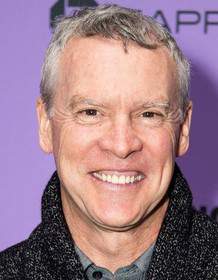
Tate Donovan
Lawrence O'Donnell Jr.
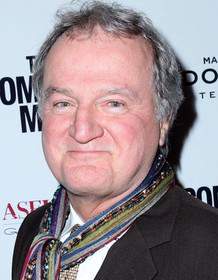
Tom Kemp
Jack Finnegan
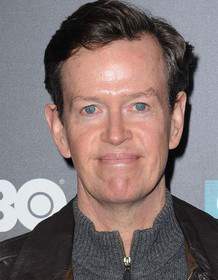
Dylan Baker
Kevin O'Donnell
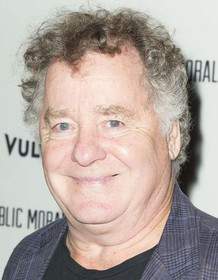
Peter Gerety
Bobby Doyle
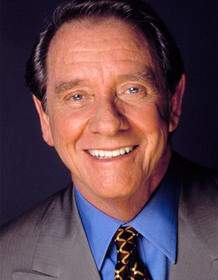
Richard Crenna
Lawrence O'Donnell Sr.

Paul O'Brien
Ken Mooney
Francis X. McCarthy
Hanna
John Shea
Michael O'Donnell
Anthony Heald
Dave O'Brian
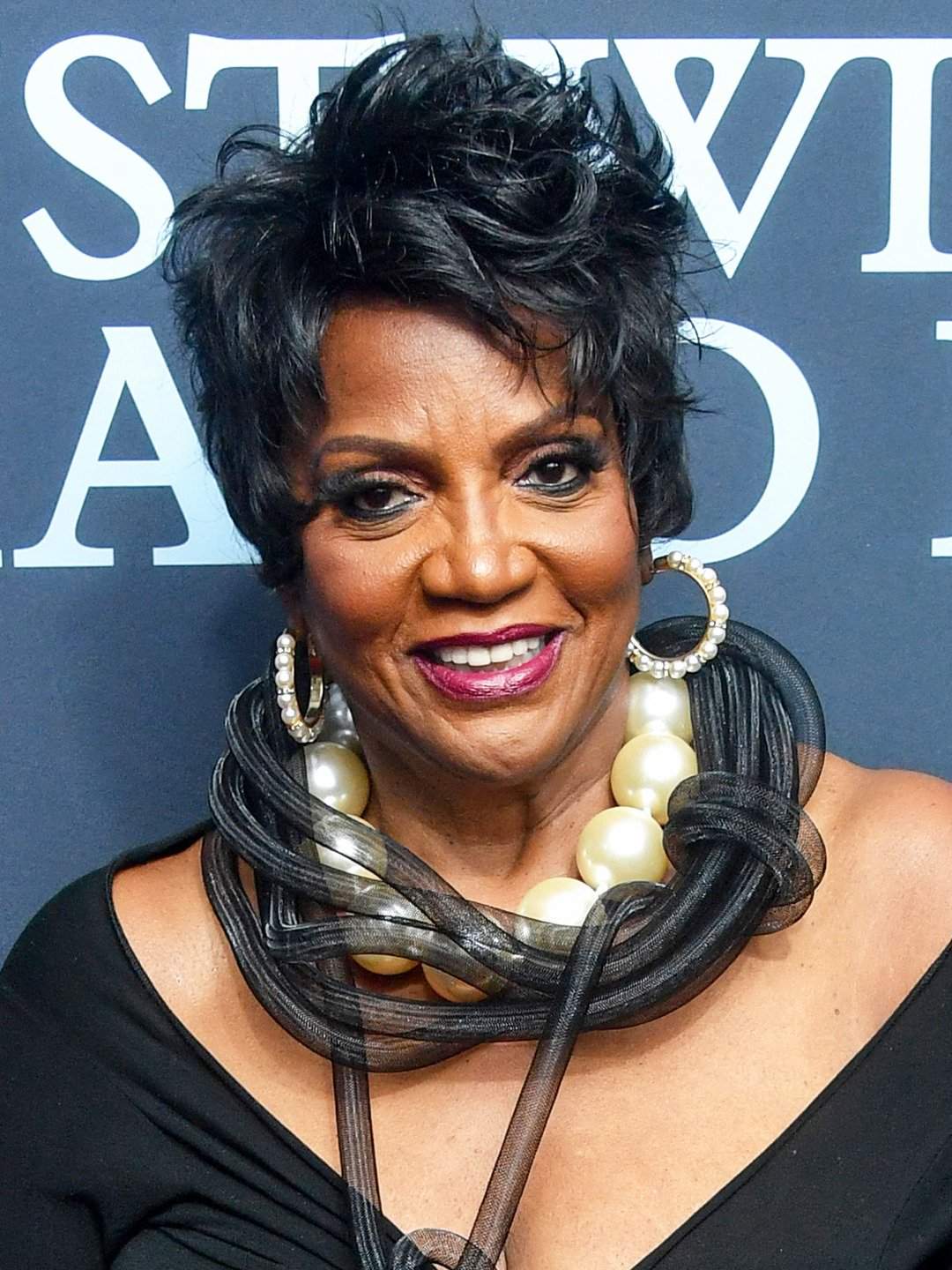
Anna Maria Horsford
Virginia Cates
Michael O'Hare
Joe Miller
Paul D'Amato
Mike Fagan
John Prosky
Phil Cochran
Fred J. Scollay
Judge Skinner
External Links and Streaming Options
Discover where to watch A Case of Deadly Force online, including streaming platforms, rental options, and official sources. Compare reviews, ratings, and in-depth movie information across sites like IMDb, TMDb, Wikipedia or Letterboxd.




Take the Ultimate A Case of Deadly Force Movie Quiz
Challenge your knowledge of A Case of Deadly Force with this fun and interactive movie quiz. Test yourself on key plot points, iconic characters, hidden details, and memorable moments to see how well you really know the film.
A Case of Deadly Force (1986) Quiz: Test your knowledge of the 1986 courtroom drama that follows Pat Bowden's fight for justice after her husband's fatal shooting by police.
What is the name of the widow who pursues a wrongful‑death lawsuit?
Full Plot Summary and Ending Explained for A Case of Deadly Force
Read the complete plot summary of A Case of Deadly Force, including all major events, twists, and the full ending explained in detail. Explore key characters, themes, hidden meanings, and everything you need to understand the story from beginning to end.
Pat Bowden, a widow and mother of two toddlers, seeks justice after her husband is fatally shot by undercover officers from the Boston Tactical Patrol Force during a stakeout for an armed robbery. The stakeout car includes Dave O’Brian, a reporter, and a photojournalist who meticulously document the operation. When a tall, unseen man enters the watched getaway car, the officers rush the vehicle, open fire, and celebrate the killing, then offer conflicting explanations — Bowden allegedly struck one of them, and the shooting was in self-defense. An initial police review backs the officers, but Bowden’s widow remains convinced her husband was innocent.
Pat Bowden, now a single mother, hires a seasoned attorney to pursue a wrongful-death case. The legal team is led by Richard Crenna. The four sons of the lead attorney’s circle join the case: John Shea, Tate Donovan, Tom Kemp, and Dylan Baker, each bringing their own professional experience to bear on the courtroom strategy.
The film delves into how personal history, ethnicity, and professional loyalty shape the investigation. The elder O’Donnell, a former officer and an Irish-American, navigates a climate of tribalism within both police and legal establishments while supporting Bowden’s belief in her husband’s innocence. He must balance sympathy with a rigorous pursuit of truth, even as some in the department resist outside scrutiny. The narrative highlights how belonging to a particular community can complicate the pursuit of justice, especially when institutional pressures run high.
The trial period, set in 1980, frames a larger question about accountability: the defense faces serious obstacles as evidence appears tainted, documents go missing, and internal investigations seem designed to shield the Tactical Patrol Force. A ride-along reporter, [Dave O’Brian], recounts details that contradict the official version, suggesting a different route and sequence of events that challenge the stated narrative. The prosecution and defense clash over whether Bowden’s car was indeed the getaway vehicle, whether the route could have been used, and whether the gun recovered a long distance from Bowden’s body undermines the self-defense claim. The most troubling detail—the fact that Bowden was shot in the back—casts further doubt on the claims of self-defense and raises questions about motive and procedure.
Two juries later return verdicts in favor of Bowden’s family, marking a landmark moment for civil rights and police accountability. The civil damages award against a city police department signals a turning point after years of delays and obfuscation, and in March 1984, Pat Bowden receives more than $840,000, while her husband’s name is publicly cleared. As the credits roll, the film notes the Tactical Patrol Force’s disbandment, suggesting a broader institutional shift in how the city addresses policing and power.
The narrative layers personal tragedy with a procedural drama, offering a measured portrayal of how a single case can ripple through families, courts, and city institutions alike.

Coming soon on iOS and Android
The Plot Explained Mobile App
From blockbusters to hidden gems — dive into movie stories anytime, anywhere. Save your favorites, discover plots faster, and never miss a twist again.
Sign up to be the first to know when we launch. Your email stays private — always.
Explore the mobile appDiscover Film Music Concerts Near You – Live Orchestras Performing Iconic Movie Soundtracks
Immerse yourself in the magic of cinema with live orchestral performances of your favorite film scores. From sweeping Hollywood blockbusters and animated classics to epic fantasy soundtracks, our curated listings connect you to upcoming film music events worldwide.
Explore concert film screenings paired with full orchestra concerts, read detailed event information, and secure your tickets for unforgettable evenings celebrating legendary composers like John Williams, Hans Zimmer, and more.


A Case of Deadly Force Themes and Keywords
Discover the central themes, ideas, and keywords that define the movie’s story, tone, and message. Analyze the film’s deeper meanings, genre influences, and recurring concepts.
A Case of Deadly Force Other Names and Titles
Explore the various alternative titles, translations, and other names used for A Case of Deadly Force across different regions and languages. Understand how the film is marketed and recognized worldwide.
Similar Movies To A Case of Deadly Force You Should Know About
Browse a curated list of movies similar in genre, tone, characters, or story structure. Discover new titles like the one you're watching, perfect for fans of related plots, vibes, or cinematic styles.


Quick Links: Summary, Cast, Ratings, More

What's After the Movie?
Not sure whether to stay after the credits? Find out!
Check out our other apps:

SAT Sphere
Build confidence for the Digital SAT.

Mori Atlas
Discover wild places worth protecting.

Luntero
Search smarter for a home in Amsterdam.

Plot Explained
Unravel movie endings and hidden clues.

Pokechamp
Dive into Pokémon data and battle logic.

Driving Theory
Get ready for your European theory test.

Movie Dust
Plan your next cinema trip with ease.

Musemap
Find art and culture as you travel.

Selkobase
Compare credentials before committing.

Local Manual
Turn an unfamiliar country into practical next steps.

Lernavi
Compare school systems before your next move.

GymRoam
Find a workout stop wherever your plans take you.
Explore Our Movie Platform
New Movie Releases (2026)
Famous Movie Actors
Top Film Production Studios
Movie Plot Summaries & Endings
Major Movie Awards & Winners
Best Concert Films & Music Documentaries
Movie Collections and Curated Lists
© 2026 What's After the Movie. All rights reserved.
Privacy Policy