100 Meters 2025


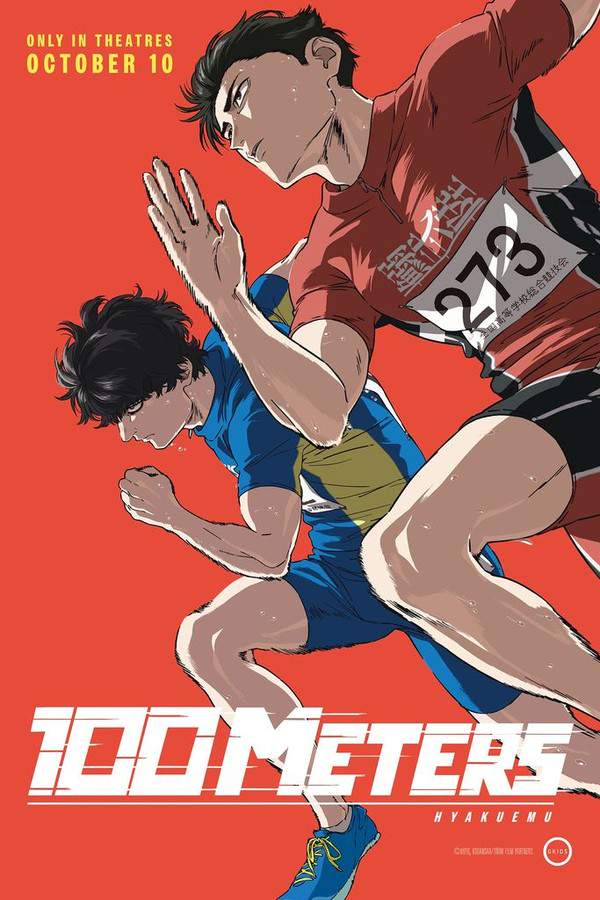
Togashi, a natural track star, wins every 100‑meter race as a child. In sixth grade he meets Komiya, a transfer student lacking technique. Teaching Komiya gives Togashi a new purpose: to win at any cost. Their rivalry pushes them toward national titles. Years later they stay linked, each pushing the other toward elite sprint competition.


Does 100 Meters have end credit scenes?
No!
100 Meters does not have end credit scenes. You can leave when the credits roll.
Where to Watch 100 Meters
See current US streaming, rental, and purchase options for 100 Meters (2025) via JustWatch.








Meet the Full Cast and Actors of 100 Meters
Explore the complete cast of 100 Meters, including both lead and supporting actors. Learn who plays each character, discover their past roles and achievements, and find out what makes this ensemble cast stand out in the world of film and television.
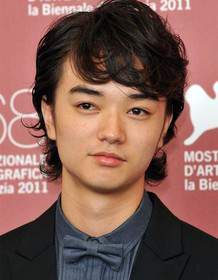
Shôta Sometani
Komiya

Kenjirô Tsuda
Kaido
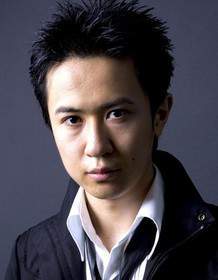
Tomokazu Sugita
Onomichi

Yuma Uchida
Kabanoki
Jun Kasama
Nigami
Stephanie Sheh
Hiiro Ishibashi
Morikawa
Junya Enoki
Numano
Atsumi Tanezaki
Young Togashi
Kôki Uchiyama
Rie Takahashi
Asakusa
Haruki Ishiya
Kyoden
Yuki Tanaka
Shiina
Christopher Trindade
Tsuneda
Miles McNicoll
David Cui Cui
Zaitsu
Pressly James Crosby
Kawano, Murata
Tôri Matsuzaka
Togashi
Adin Rudd
Nigami
Alejandro Antonio Ruiz
Kabaki, Additional Voices
Jordan Schreiber
Genta
External Links and Streaming Options
Discover where to watch 100 Meters online, including streaming platforms, rental options, and official sources. Compare reviews, ratings, and in-depth movie information across sites like IMDb, Wikipedia, Rotten Tomatoes or Metacritic.







Ratings and Reviews for 100 Meters
See how 100 Meters is rated across major platforms like IMDb, Metacritic, and TMDb. Compare audience scores and critic reviews to understand where 100 Meters stands among top-rated movies in its genre.

The Movie Echo Score
In summary, 100 Meters delivers a visually striking sports drama that resonates emotionally and motivates viewers, though its narrative pacing occasionally falters. The animation, particularly the rotoscoped kinetic sequences, is widely praised, while the character arcs provide a solid emotional core despite moments of lighter development. Storywise, the film balances inspirational themes with occasional predictability and uneven pacing. The sensory elements, including a memorable soundtrack, enhance the experience, and most audiences indicate a desire to revisit the film.
The Movie Echo Score Breakdown for 100 Meters

Art & Craft
Regarding art and craft, the film excels in kinetic animation, employing rotoscoping and hand‑drawn 2D techniques that convey the physicality of sprinting. Critics note the visual dynamism and inventive camera work, while several viewers commend the seamless blend of CGI and traditional styles. A minority mention a brief jarring mocap transition, but overall the direction and production design are regarded as a strong asset.

Character & Emotion
When evaluating character and emotion, reviewers highlight a relatable protagonist whose development conveys determination and philosophical introspection. The emotional resonance is reinforced by nuanced performances that elicit genuine reactions, such as tears of joy reported by viewers. Some critics observe lighter characterization in supporting roles, leading to occasional unevenness, yet the overall portrayal of personal struggle remains compelling.

Story & Flow
In terms of story and flow, the narrative weaves multiple runners’ personal challenges into an overarching theme of perseverance, which many find inspiring. Critics commend the film’s intelligent handling of sports tropes but note uneven pacing and moments of predictability that detract from momentum. The philosophical subtext, while ambitious, occasionally feels disconnected from the central sports premise.

Sensory Experience
The sensory experience combines a dynamic soundtrack with crisp sound design that accentuates race sequences. Visual style, driven by rotoscoped animation, creates a vivid sense of motion praised by critics and fans alike. One viewer found the music to be the sole highlight, suggesting that while the audio generally supports the film, its impact varies among audiences.

Rewatch Factor
Rewatch factor is high, as many audience members express intent to view the film again, citing its motivational themes and emotional payoff. The compelling climax and resonant philosophical moments encourage repeat engagement. Although occasional pacing issues are noted, they do not significantly diminish the desire for subsequent viewings.

72
Metascore
8.7
User Score


%
TOMATOMETER

0%
User Score
Full Plot Summary and Ending Explained for 100 Meters
Read the complete plot summary of 100 Meters, including all major events, twists, and the full ending explained in detail. Explore key characters, themes, hidden meanings, and everything you need to understand the story from beginning to end.
**Togashi Tôri Matsuzaka is a gifted young sprinter who has earned a reputation as the fastest kid in his grade. When a new student named Komiya Shôta Sometani transfers into his class, Togashi notices him during a run the day before and wonders if they might become rivals or even teammates. In the class race, Komiya is unexpectedly the slowest, which starts a quiet conversation between them. Komiya explains that he doesn’t get along with people and feels like he has nothing, so he runs to blur reality and escape. Togashi believes that being the fastest can help solve problems, and he offers to coach him, kicking off a tentative mentorship that will test both of them.
Togashi begins training Komiya after school, and the improvements are clear, but a growing fixation on running begins to worry Togashi. As the school’s Sports Day approaches, Togashi dominates his own race, while Komiya faces a grueling test of endurance. When Komiya finally starts with a strong burst, he falters mid-race, only to splice together a desperate dash to the finish with Togashi cheering him on. He crosses the line in a hard-won victory, marking a first taste of real achievement. The moment is tempered by the awareness that Komiya’s progress has come at a personal cost, and Togashi’s own pride earns a new layer of responsibility.
The two then cross paths with a new hurdle: an interview alongside Nigami, a star junior high runner who Jun Kasama represents. The encounter stirs a renewed energy in Togashi as they race, and Nigami is surprised by Togashi’s caliber despite their age difference. Later, Komiya asks Togashi for a rematch, and the older boy agrees. The race starts with Togashi in the lead, but Komiya’s final surge overturns the margin and hands him the win. Afterward, Komiya bids farewell and limps away, revealing the toll of his relentless effort. The next morning brings more bad news: Komiya has to move with his family, leaving Togashi surprised and contemplative about the transient nature of opportunity.
Now in high school, Togashi has a storied history—three consecutive junior high championships in the 100 meters—yet the weight of expectations begins to weigh on him. He encounters Asakusa Rie Takahashi, who is trying to recruit him for a track and field club that is at risk of being shut down. Initially, Togashi resists, but a deeper conversation nudges him to reconsider. The team needs one more runner for a relay that could secure their survival, so they recruit Nigami Jun Kasama, who had stepped away from sprinting after a back injury and mounting pressure. A renewed spark emerges as Nigami competes against former rivals; the effort pays off with a second-place finish that keeps the club alive, even if the path remains steep.
Komiya later makes his way to Nishizawa High, a school famed for its track and field program and the former home of national champion Zaitsu David Cui Cui. There, Komiya meets Zaitsu, who offers practical wisdom and a veteran’s perspective. Motivated, Komiya vows to chase a national record, stepping up to challenge Tsuneda Christopher Trindade, the team captain, and advancing toward the national high school championship. Nigami also qualifies for the championship, and though he falls to Komiya in their heat, the broader relay effort helps the team rally. A downpour drenches the final, shifting momentum toward resilience: while Togashi remains the favorite, Komiya’s steady power and grit push him to the win, leaving Togashi stunned in the rain.
A decade later, Togashi is pursuing athletics through an agency, but results remain elusive. He confides in Kaido Kenjirô Tsuda, a senior who asks a simple question: what is he racing for? The conversation sparks a new clarity in Togashi, who resolves to race Komiya again. A string of victories gradually builds his momentum, culminating in a return to the national championship. Yet a muscle strain during practice threatens to derail everything, and his doctor recommends rest, while his agency warns that his contract could end if he does not race in the championship soon. Seeing this as a final chance, he decides to compete.
At the national championship, Togashi wins his semifinal, and Kabaki Alejandro Antonio Ruiz finishes second in his heat. In a surprising twist, Kaido wins his heat while Komiya follows in second, and Zaitsu is eliminated, announcing his retirement soon after. The final race brings four key contenders to the front: Kabaki, Kaido, Komiya, and Togashi. The two longtime rivals Togashi and Komiya share the lead, each recalling their childhood races as the crowd watches in anticipation. In the closing moments, the two cross the finish line side by side, the outcome left wonderfully unresolved, inviting the audience to wonder who truly claimed the title.
In the end, the story circles back to the core themes that began years earlier: friendship, perseverance, and the personal cost of chasing speed. It traces how two boys, once bound by competition and a shared sense of escape, mature into athletes who redefine what it means to race—together, apart, and perhaps forever chasing that last, elusive burst of speed.

Coming soon on iOS and Android
The Plot Explained Mobile App
From blockbusters to hidden gems — dive into movie stories anytime, anywhere. Save your favorites, discover plots faster, and never miss a twist again.
Sign up to be the first to know when we launch. Your email stays private — always.
Explore the mobile appDiscover Film Music Concerts Near You – Live Orchestras Performing Iconic Movie Soundtracks
Immerse yourself in the magic of cinema with live orchestral performances of your favorite film scores. From sweeping Hollywood blockbusters and animated classics to epic fantasy soundtracks, our curated listings connect you to upcoming film music events worldwide.
Explore concert film screenings paired with full orchestra concerts, read detailed event information, and secure your tickets for unforgettable evenings celebrating legendary composers like John Williams, Hans Zimmer, and more.


100 Meters Other Names and Titles
Explore the various alternative titles, translations, and other names used for 100 Meters across different regions and languages. Understand how the film is marketed and recognized worldwide.
Articles, Reviews & Explainers About 100 Meters
Stay updated on 100 Meters with in-depth articles, critical reviews, and ending explainers. Explore hidden meanings, major themes, and expert insights into the film’s story and impact.
Quick Links: Summary, Cast, Ratings, More

What's After the Movie?
Not sure whether to stay after the credits? Find out!
Check out our other apps:

SAT Sphere
Build confidence for the Digital SAT.

Mori Atlas
Discover wild places worth protecting.

Luntero
Search smarter for a home in Amsterdam.

Plot Explained
Unravel movie endings and hidden clues.

Pokechamp
Dive into Pokémon data and battle logic.

Driving Theory
Get ready for your European theory test.

Movie Dust
Plan your next cinema trip with ease.

Musemap
Find art and culture as you travel.

Selkobase
Compare credentials before committing.

Local Manual
Turn an unfamiliar country into practical next steps.

Lernavi
Compare school systems before your next move.

GymRoam
Find a workout stop wherever your plans take you.
Explore Our Movie Platform
New Movie Releases (2026)
Famous Movie Actors
Top Film Production Studios
Movie Plot Summaries & Endings
Major Movie Awards & Winners
Best Concert Films & Music Documentaries
Movie Collections and Curated Lists
© 2026 What's After the Movie. All rights reserved.
Privacy Policy