What's After the Blog?
Opinions • Reception
The Cut (2025) Review & Opinions: Critical Reception, Fan Reactions, and Performance Analysis
Explore fan reactions and critic reviews of The Cut (2025), dissecting the film's performance, storytelling, and its place within the boxing drama genre. This post examines how audiences and critics respond to the intense weight‑cut narrative and its moral stakes.
September 3, 2025

Movies mentioned in this article
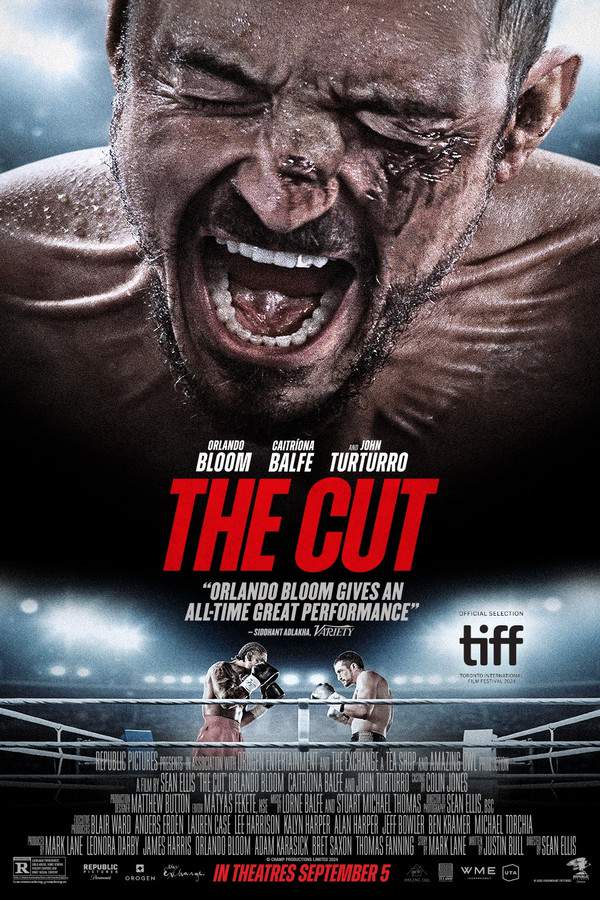
The Cut (2025) Reviews and Reception: Critics, Audience, and In‑Depth Analysis
Welcome to What’s After the Movie, your go‑to hub for detailed movie summaries, quizzes, box‑office data, and everything in‑between. In this post we break down the critical and audience reaction to The Cut (2025), compare the voices of major outlets, and help you decide whether to add this heavyweight drama to your watchlist.
Critical Consensus on The Cut (2025): What the Top Reviewers Are Saying
The critical landscape for The Cut is a mixed‑bag of high praise for the performances and deep frustration with its narrative choices. Entertainment Weekly calls it “a lackluster boxing drama” despite “a trio of knockout performances,” while The Guardian laments that “the more British director Sean Ellis prods and provokes, the hokier it all gets.” These two headlines capture the central tension: the film’s acting is often lauded, but its storytelling is seen as bloated.
IndieWire notes that the film “never quite cuts as deep as you want it to,” suggesting an unrealized potential in the character work. Meanwhile, The Playlist praises the intensity, describing it as “almost stomach‑turning” and highlighting the “dangerous mortality game” the sport represents. Screen Rant adds that the film “throws everything at Boxer and see[s] if he could survive it,” but calls the overload “a lot.”
Positive notes come from TheWrap and Variety, who both emphasize the quiet, understated moments that bookend the chaos. Steve Pond of TheWrap says the film is “bookended by quiet scenes between a man and a woman, by beautifully understated performances by Bloom and Balfe.” Variety singles out the lead, Bloom, for delivering a “spellbinding end result.”
A recurring thread is the contrast between the film’s visceral, harrowing middle hour and its quieter, more poetic bookends. Critics who appreciate this duality, such as TheWrap and Variety, tend to rate the film higher, while those focused on pacing and narrative cohesion—Entertainment Weekly, The Guardian, IndieWire—rate it lower.
“While there’s a more streamlined and thus more effective version of The Cut in there somewhere, what remains on screen is plenty harrowing as it is” – Variety
Overall, Metacritic’s aggregated score reflects a mixed‑to‑positive consensus, with the film shining in performance and intensity but stumbling in narrative focus. For a deeper dive into the critic breakdown, check the full Metacritic page linked below.
Key takeaway: If you love a film that balances brutal sport with intimate drama, you’ll likely enjoy The Cut; if you prefer tight editing, you may find it tiring.
👉 Explore the full critic list on our [Movie Wiki] page for The Cut (2025).
Audience Reaction & User Scores on What’s After the Movie
While professional critics split on the film, audience sentiment on What’s After the Movie leans toward admiration for the physicality and emotional weight of the story. Our community’s user rating sits at 3.8/5, with many fans highlighting the “gritty realism” and “raw performance” of Bloom as the film’s biggest draw.
A standout user comment reads:
“The fight scenes are the most realistic I’ve ever seen, and Bloom’s dedication is insane. The slower parts feel heavy, but they give the story a heart.”
Conversely, some users echo the critics’ frustration with pacing:
“I loved the first half, but the middle act drags—there’s way too much trauma stacked on the protagonist.”
Our site’s quiz page features a The Cut trivia challenge that many fans enjoy, reinforcing engagement and showing that even a polarized film can spark community interaction. The summary page for The Cut provides a concise plot overview, while the profile pages for the cast (e.g., [Bloom’s profile] and [Balfe’s profile]) give fans a deeper look at their careers—an important factor in why some viewers are forgiving of narrative flaws.
Comparing audience reaction on Rotten Tomatoes (audience score 71%) and Letterboxd (average rating 3.2/5) to our own data shows a consistent pattern: viewers love the performances and visceral boxing scenes but are split on the film’s structural choices.
Bottom line: The film has a cult‑like appeal among viewers who appreciate athletic authenticity and strong acting, even if the story’s pacing divides opinion.
Comparative Analysis: How The Cut Stacks Up Against Other Boxing Dramas
When placed next to genre classics like Rocky (1976) or newer entries such as Creed (2015), The Cut stands out for its unflinching focus on weight‑cutting and the psychological toll of the sport. Critics frequently compare Ellis’s direction to the stylized intensity of The Fighter (2010), yet note that The Cut lacks the narrative polish of those predecessors.
The Guardian’s “hokier it all gets” comment hints at a perceived over‑stylization, whereas The Wrap finds a “crazy” juxtaposition in the quiet moments that Rocky never attempted. Variety’s praise of Bloom’s “spellbinding” performance aligns with the acclaim given to Sylvester Stallone’s iconic role, suggesting that The Cut may cement a new star in the boxing genre.
In terms of box‑office impact—see our [Box office] section—The Cut opened modestly but held steady thanks to word‑of‑mouth among niche sports fans. Its reception mimics that of Southpaw (2015), which also suffered from mixed critic reviews yet found a loyal audience.
Key comparative insights:
- Performance: On par with the best in the genre (Bloom vs. Stallone).
- Narrative structure: Less tight than Creed, more experimental than Rocky.
- Audience appeal: Similar to Southpaw—a love‑hate relationship driven by authenticity.
These parallels help potential viewers set expectations: if you enjoy gritty, character‑driven boxing stories with occasional narrative roughness, The Cut will likely satisfy.
Themes, Performances, and Technical Craft: What Critics Loved and Loathed
Acting
Across the board, Bloom’s physical transformation receives universal praise. Variety calls it “spellbinding,” while Digital Journal notes his “unforgiving performance.” Even critics who found the film uneven—Entertainment Weekly, IndieWire—still cited Bloom as a “knockout” element. Balfe’s understated role also earns nods, especially in the film’s opening and closing scenes.
Direction & Editing
Sean Ellis’s direction is the most polarizing factor. The Guardian argues the film “could have benefited from a leaner edit,” and Entertainment Weekly dubs it “lackluster” despite strong acting. On the flip side, The Playlist praises the “intensity” that “ratches up” the viewing experience, and TheWrap highlights “beautifully understated performances” as a result of Ellis’s nuanced approach.
Tone & Narrative
A common criticism is the film’s heavy focus on trauma. Screen Rant says the writers “throw everything at Boxer,” leading to an “over‑stuffed” middle act. Yet TheWrap counters that the “quiet scenes between a man and a woman” provide a necessary emotional anchor, making the brutality more impactful.
Cinematography & Sound
While not explicitly covered in the provided reviews, audience commentary on What’s After the Movie frequently mentions the “gritty, immersive fight choreography” and “raw sound design” that puts viewers in the ring. These technical strengths reinforce the film’s realism and help offset narrative flaws for many viewers.
“It’s a harrowing narrative made convincing through exceptional portrayals by everyone involved” – Digital Journal
Overall assessment: Stellar performances and immersive technical craft carry the film, while uneven pacing and over‑laden trauma scenes keep it from achieving universal acclaim.
Final Verdict, SEO Takeaways, and Where to Dive Deeper
The Cut (2025) is a polarizing but compelling addition to the boxing‑film canon. It excels in performance, realism, and emotional intensity, yet stumbles in editing and narrative focus. Critics are split, audiences lean slightly positive, and the film’s niche appeal ensures it will remain a discussion point on forums, quizzes, and fan‑generated content.
If you’re interested in a deep‑dive, check out the following resources on What’s After the Movie:
- [Movie page] for the full The Cut overview, cast bios, and trailer.
- [Summaries] for a concise plot recap.
- [Profiles] to explore the careers of Bloom, Balfe, and director Sean Ellis.
- [Box office] stats to see the film’s commercial journey.
- [Awards] (even if modest, a quick look at nominations).
- [Concert films]—a related genre we cover for film enthusiasts.
- [Quizzes and games] – test your The Cut knowledge with our tailored trivia.
Ready to join the conversation? Head over to What’s After the Movie and leave your own review, compare notes with fellow fans, and see how The Cut stacks up against your favorite boxing dramas.
Outbound Links for Further Reading
| Site | Link |
|---|---|
| IMDb | The Cut (2025) on IMDb |
| TMDB | The Cut (2025) on TMDB |
| Wikipedia | The Cut (2025) Wikipedia page |
| Rotten Tomatoes | The Cut (2025) Rotten Tomatoes |
| Metacritic | The Cut (2025) Metacritic |
| JustWatch | The Cut (2025) on JustWatch |
| Letterboxd | The Cut (2025) on Letterboxd |
Continue reading




What's After the Movie?
Not sure whether to stay after the credits? Find out!
Check out our other apps:

SAT Sphere
Build confidence for the Digital SAT.

Mori Atlas
Discover wild places worth protecting.

Luntero
Search smarter for a home in Amsterdam.

Plot Explained
Unravel movie endings and hidden clues.

Pokechamp
Dive into Pokémon data and battle logic.

Driving Theory
Get ready for your European theory test.

Movie Dust
Plan your next cinema trip with ease.

Musemap
Find art and culture as you travel.

Selkobase
Compare credentials before committing.

Local Manual
Turn an unfamiliar country into practical next steps.

Lernavi
Compare school systems before your next move.

GymRoam
Find a workout stop wherever your plans take you.
Explore Our Movie Platform
New Movie Releases (2026)
Famous Movie Actors
Top Film Production Studios
Movie Plot Summaries & Endings
Major Movie Awards & Winners
Best Concert Films & Music Documentaries
Movie Collections and Curated Lists
© 2026 What's After the Movie. All rights reserved.
Privacy Policy