What's After the Blog?
analysis • feature
Star Trek's Planet of Hats: Why Klingons and Vulcans Are So Uniform
Star Trek consistently portrays alien species as culturally monolithic, from Klingon warriors to Vulcan logicians. This narrative choice stems from both practical writing constraints and specific in-universe canonical explanations about planetary unification.
May 4, 2026
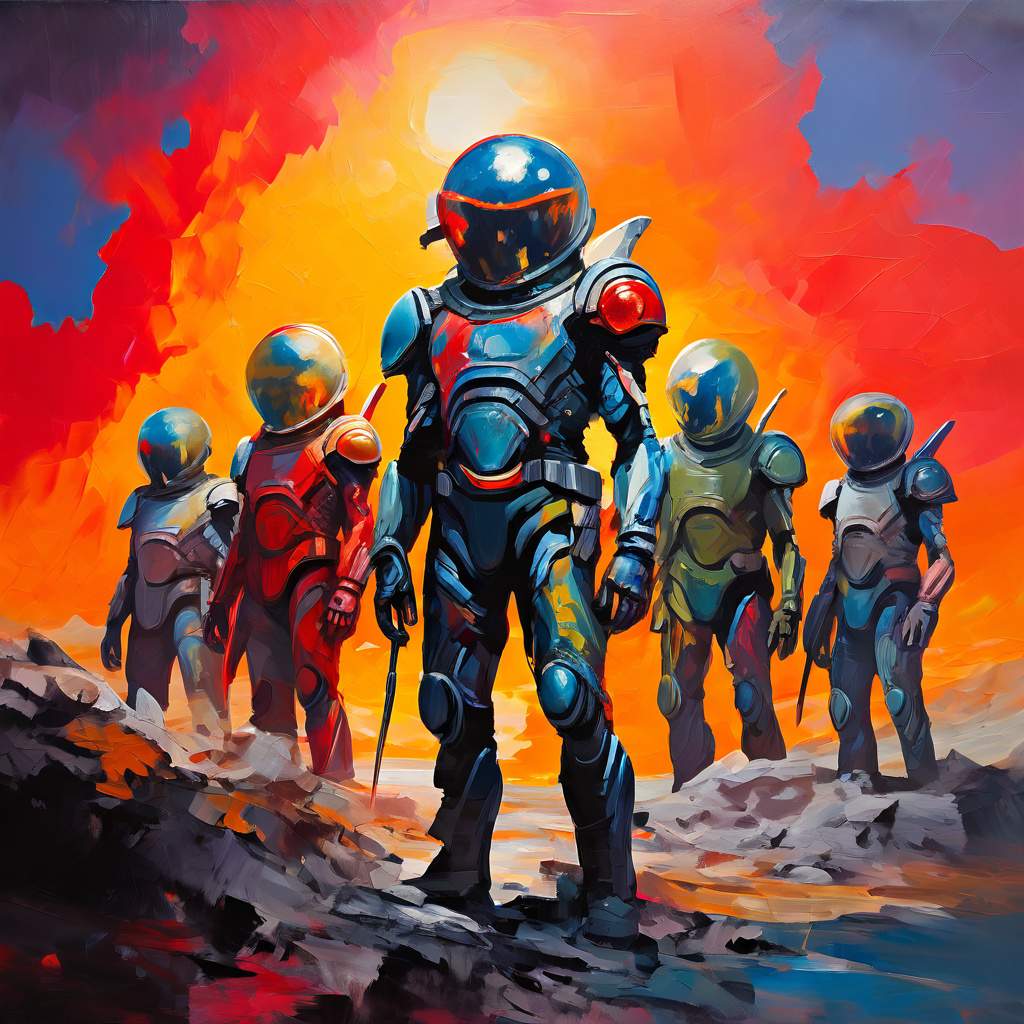
Star Trek’s Planet of Hats: Why Klingons and Vulcans Are So Uniform
Step onto the Klingon homeworld of Qo’noS in any Star Trek series, and you’ll notice something immediately striking: virtually every Klingon wears the same attire. They sport grey warrior’s uniforms accented with red leather sleeves, large metal shoulder pads, and heavy belts, all serving the Empire. Beyond their wardrobes, they share identical beliefs in personal honor, combat prowess, and the noble death. This uniformity extends across nearly every alien species in the franchise, from the dispassionate Vulcans to the profit-obsessed Ferengi, creating a stark contrast to Earth’s celebrated diversity of languages, fashions, and philosophies.
This phenomenon isn’t merely coincidental worldbuilding. The explanation lies at the intersection of classic science fiction writing theory and Gene Roddenberry’s specific vision for a unified future, offering both practical production reasons and deep canonical justifications for why Star Trek aliens tend to look, dress, and think exactly alike.
The Planet of Hats Writing Convention
Science fiction writers have long employed a narrative device known as the “Planet of Hats,” a term popularized by the TV Tropes website. This concept describes the tendency to define entire alien species through a single cultural characteristic, visual style, or societal trait—essentially giving an entire planet one distinctive “hat” to wear. Star Trek utilizes this trope extensively across its 60-year history, creating immediate visual and cultural shorthand that viewers can instantly recognize.
The franchise applies this methodology consistently across its major species:
- Klingons: Devoted to warrior ethos, combat, and personal honor
- Vulcans: Dispassionate intellectuals committed strictly to logic
- Ferengi: Unscrupulous capitalists prioritizing monetary profit above all
- Cardassians: Military-focused imperialists
- El-Aurians: A species of listeners, exemplified by Guinan (played by Whoopi Goldberg in Star Trek: The Next Generation), where the ability to listen extends beyond individual quirk to cultural feature
This approach sacrifices realistic cultural complexity for narrative efficiency. Rather than developing thousands of languages, competing political factions, diverse fashion movements, and varied architectural styles for every alien world, writers can establish one cohesive culture per species. When a Vulcan enters the scene, the audience immediately understands the parameters—no lengthy exposition required about their nation of origin, political beliefs, or religious faction.
Practical Reasons for Uniform Alien Cultures
Beyond viewer comprehension, the Planet of Hats serves crucial production needs for a franchise managing hundreds of alien species across multiple series and films. Star Trek’s vast lore spans decades of television episodes, feature films, and expanded universe materials. Keeping this mythology manageable requires simplifying the worldbuilding foundation.
Realistically, advanced civilizations capable of interstellar travel would require diverse specialists—engineers designing warp drives, doctors staffing hospitals, artists creating cultural works, and farmers maintaining food supplies. A society where every single citizen devotes themselves entirely to combat, as Klingon culture suggests, would lack the practical infrastructure necessary for space travel. However, exploring these realistic complexities would demand writers invent elaborate multi-volume histories for every encountered world, covering thousands of years of global development, artistic movements, and political evolution.
Instead, the writerly shorthand allows teleplay authors to focus on immediate story needs. They can establish a Vulcan character by referencing logic, or a Ferengi through negotiation, without developing contradictory cultural backgrounds. As the franchise progresses, these initially simple cultures can receive gradual expansion and deeper exploration, but the foundational uniformity provides the necessary entry point for storytelling.
Canonical Explanation: Unity as a Prerequisite
While primarily a writing convenience, Star Trek’s universe provides canonical justification for planetary uniformity rooted in Gene Roddenberry’s utopian vision. According to franchise lore, particularly established in the film Star Trek: First Contact and the Next Generation episode of the same name, total global unification serves as the prerequisite for joining the galactic community.
The film depicts humanity reaching its unified state only after surviving devastating world wars that brought the species to extinction’s brink. Zefram Cochrane (portrayed by James Cromwell) developed faster-than-light engines in the post-war aftermath, attracting the attention of passing Vulcans specifically because humans had achieved warp capability. This technological milestone signaled readiness for interstellar relations, prompting Earth’s fractured governments to unite as one.
The Next Generation episode “First Contact” reinforces this concept when the Enterprise encounters a planet developing warp technology while remaining politically divided globally. The narrative establishes that such division prevents readiness for the heavens—planetary unification functions as the “price of admission” for the larger galactic community. Therefore, when the Enterprise encounters unified alien worlds, their cultural monolithism reflects this prerequisite: they achieved warp travel only after becoming politically and culturally singular.
The Klingon Example: Visual Uniformity and Military Service
Klingon culture demonstrates this principle most visibly through their standardized military attire. The consistent appearance—grey uniforms with red leather sleeves, heavy belts, and prominent metal shoulder pads—signifies service to the Klingon Empire rather than individual fashion choice. This visual coding immediately communicates martial identity and imperial allegiance to viewers and characters alike.
While the article acknowledges exceptions to this warrior ethos scattered throughout the franchise’s history, they remain precisely that: exceptions proving the rule. The overwhelming majority of Klingon characters adhere to the established cultural parameters, creating the unified front that defines the species within Star Trek’s narrative framework. This uniformity allows writers to introduce Klingon characters without extensive cultural briefing, establishing immediate tension or alliance based on the species’ reputation for honor-based combat.
Humanity’s Own “Hat”: The Diplomatic Ideal
If Klingons wear the “warrior hat” and Vulcans wear the “logic hat,” what unifying characteristic defines humanity within Star Trek? The franchise presents humans as devoted to diplomacy, optimism, and mutual aid—essentially wearing a “helper hat.”
Multiple alien characters comment on this human trait throughout the series. In Star Trek: Enterprise, Dr. Phlox (John Billingsley), a Denobulan physician, notes that humans are particularly known for their optimism. In Star Trek: Deep Space Nine, the Ferengi bartender Quark (Armin Shimerman) and the Cardassian tailor Garak (Andrew Robinson) famously compare the Federation to root beer: “cloying and bubbly and eager-to-please,” qualities they personally find distasteful but which define human interaction.
This characterization manifests practically when the Enterprise encounters distressed space travelers. The captain’s instinct typically involves asking what assistance the strangers require, positioning humanity as the friendly diplomats of the galaxy. When visiting aliens arrive aboard, human characters frequently invite them to social gatherings, introduce them to foods and customs, and extend hospitality. Rather than presenting humanity as culturally diverse, Star Trek portrays humans as unified ambassadors of their own idealized nature—friendly helpers ready to offer aid.
What’s After the Movie
Planning your next deep dive into the Star Trek universe or looking for explanations of other genre conventions? What’s After the Movie offers comprehensive coverage of entertainment industry analysis, from franchise breakdowns and worldbuilding explanations to box office reporting and award season coverage. Explore our full collection of movie summaries and ending explanations, or browse the latest industry news and features to stay informed on the stories behind your favorite series.
Continue reading


What's After the Movie?
Not sure whether to stay after the credits? Find out!
Check out our other apps:

SAT Sphere
Build confidence for the Digital SAT.

Mori Atlas
Discover wild places worth protecting.

Luntero
Search smarter for a home in Amsterdam.

Plot Explained
Unravel movie endings and hidden clues.

Pokechamp
Dive into Pokémon data and battle logic.

Driving Theory
Get ready for your European theory test.

Movie Dust
Plan your next cinema trip with ease.

Musemap
Find art and culture as you travel.

Selkobase
Compare credentials before committing.

Local Manual
Turn an unfamiliar country into practical next steps.

Lernavi
Compare school systems before your next move.

GymRoam
Find a workout stop wherever your plans take you.
Explore Our Movie Platform
New Movie Releases (2026)
Famous Movie Actors
Top Film Production Studios
Movie Plot Summaries & Endings
Major Movie Awards & Winners
Best Concert Films & Music Documentaries
Movie Collections and Curated Lists
© 2026 What's After the Movie. All rights reserved.
Privacy Policy