What's After the Blog?
industry • news
NBC Forced Star Trek to Remove 'Camel' Over Cigarette Sponsorship
George Takei revealed that NBC network standards forced Gene Roddenberry to remove the word "camel" from a script to avoid evoking the competing Camel cigarette brand. The censorship request emerged from strict 1960s sponsorship rules that dictated content across NBC's primetime lineup, including the futuristic science fiction series.
May 4, 2026
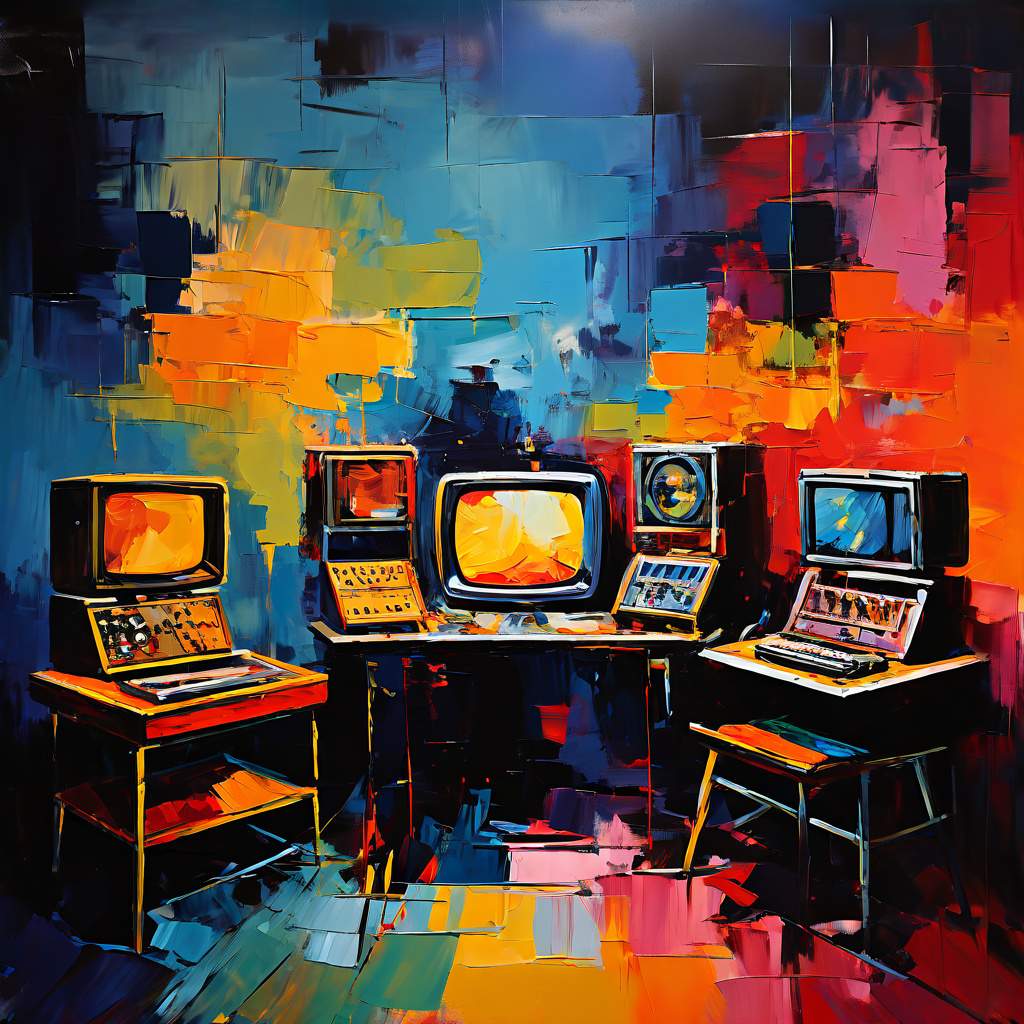
NBC Forced Star Trek to Remove ‘Camel’ Over Cigarette Sponsorship
Long before streaming platforms and fragmented audiences reshaped television production, network executives exercised rigid control over primetime content through strict broadcast standards and sponsor-sensitive censorship. A revealing anecdote from the original Star Trek series illustrates the extent of this oversight, as NBC once compelled creator Gene Roddenberry to eliminate a single word from a script due to concerns about cigarette advertising conflicts. Actor George Takei, who portrayed Lieutenant Hikaru Sulu throughout the series, disclosed in a 1996 interview that network censors objected to the use of the word “camel,” fearing it would evoke associations with Camel cigarettes—a brand that did not financially support the series.
The incident highlights the suffocating influence of mid-1960s advertising relationships on creative storytelling, extending even to futuristic science fiction programming ostensibly detached from contemporary consumer products. Roddenberry reportedly responded to the censorship note with a mixture of exasperation and amusement, recognizing the absurdity of applying tobacco industry sensitivities to a narrative set centuries in the future.
The Broadcast Standards Intervention
According to Takei’s recollection in Cinemafantastique Magazine, Roddenberry received direct feedback from NBC’s Broadcast Standards department regarding language in an unspecified episode script. The specific objection centered on Roddenberry’s inclusion of the word “camel” somewhere in the dialogue or stage directions. Network executives interpreted this word as problematic because Camel represented a competing cigarette manufacturer, and NBC maintained strict protocols about referencing brands associated with rival sponsors or unsponsored products.
Takei described Roddenberry simultaneously “raving about it, and chuckling about it too,” capturing the frustration and incredulity that defined many interactions between creative talent and network compliance officers during this era. The censorship demand arrived during a period when tobacco companies still purchased extensive television advertising time, creating a landscape where brand protection superseded narrative logic. While Takei could not identify the specific episode affected by this particular note, he confirmed that Roddenberry ultimately complied with the removal request, ensuring the word never reached the broadcast version.
Network Pressure and the NBC Family
Understanding this censorship requires context regarding Star Trek’s position within NBC’s 1966 lineup. The network positioned the ambitious space opera alongside established hits including:
- The Man from U.N.C.L.E.
- Gilligan’s Island
- Bonanza
- Get Smart
- I Spy
According to industry observers at For Your Eyes Only, Star Trek initially attracted viewers from U.N.C.L.E.’s established fanbase, which may have influenced network executives to apply consistent content standards across their programming block.
The Man from U.N.C.L.E. notably maintained sponsorship arrangements with Chevrolet, establishing a precedent where automotive and tobacco dollars directly influenced production decisions. This commercial ecosystem meant that Star Trek, despite its futuristic setting, remained beholden to the same sponsor-sensitive guidelines as contemporary spy thrillers and westerns. NBC routinely transmitted memoranda to the production demanding modifications to on-screen behavior, including instructions to render romantic kisses notably chaste and to moderate potentially inflammatory dialogue.
The network’s sensitivity extended beyond single-word bans to encompass broad behavioral standards that reflected advertiser preferences for family-friendly, controversy-free environments where products could be promoted without distraction or negative association.
The Irony of 23rd-Century Censorship
The absurdity of the “camel” prohibition becomes particularly apparent when considering Star Trek’s narrative universe. Set aboard the USS Enterprise in the 23rd century, the series depicted a post-scarcity future where tobacco consumption would have been anachronistic even if characters weren’t serving aboard a tightly regulated military vessel. Smoking was never depicted on the show, and the futuristic setting theoretically insulated it from contemporary commercial concerns.
Yet network standards operated with blanket uniformity, failing to distinguish between period-appropriate dialogue and science fiction world-building. The censorship effectively demanded that Roddenberry’s vision of humanity’s future accommodate the marketing sensitivities of 1960s tobacco companies, creating a temporal disconnect where futuristic military officers had their vocabulary restricted by cigarette sponsorship politics.
This disconnect exemplifies how thoroughly advertising interests permeated television production during the medium’s golden age, with commercial considerations overriding creative logic regardless of genre or setting.
The Decline of Tobacco Advertising on Television
The censorship incident occurred during the final years of legal cigarette advertising on American broadcast television. President Richard Nixon signed the Public Health Smoking Act in 1969, effectively prohibiting tobacco companies from purchasing television advertising time. The legislation culminated in the last cigarette commercial airing on January 2, 1971, at 11:59 p.m. during The Tonight Show Starring Johnny Carson, when Virginia Slims purchased the final legal spot.
Prior to this prohibition, tobacco marketing dominated primetime programming to an extent modern audiences might find shocking. Animated series including The Flintstones featured characters endorsing specific cigarette brands, while slogans such as “Lucky Strike Means Fine Tobacco” (L.S./M.F.T.) and jingles like “Winston tastes good like a cigarette should” permeated popular culture. Even beloved family programming such as I Love Lucy operated under sponsorship from Philip Morris, embedding tobacco promotion within supposedly wholesome entertainment.
The regulatory evolution continued beyond the 1971 television ban:
- Radio advertising for cigarettes persisted until 1986
- Outdoor billboards and mass transit advertisements remained legal until the Master Settlement Agreement of 1998
- The later controversy surrounding Joe Camel—the cartoon mascot accused of targeting children—demonstrated how tobacco advertising continued evolving through print media long after Roddenberry’s script edit
Legacy of Sponsor Influence
The Star Trek “camel” incident serves as a microcosm of broader industry dynamics where advertising dollars dictated creative boundaries throughout network television’s heyday. While the specific word never appeared in the final broadcast, the anecdote reveals the invisible commercial forces shaping seemingly escapist entertainment. Roddenberry’s eventual compliance with the note illustrates the practical realities facing producers who balanced artistic vision against network mandates and sponsor retention.
Today, as streaming services and premium cable have largely decoupled content from traditional advertising models, such overt censorship appears antiquated. Yet the episode remains relevant as a historical artifact documenting how thoroughly commercial interests once saturated broadcast media, requiring science fiction creators to navigate the marketing concerns of tobacco conglomerates while envisioning humanity’s interstellar future.
What’s After the Movie
If you’re fascinated by the intersection of Hollywood history, corporate influence, and classic television production, explore more industry retrospectives and behind-the-scenes revelations at What’s After the Movie. Our platform offers comprehensive coverage of entertainment history, box office analysis, and the evolving relationship between creators and commerce. Browse our industry news section for similar deep dives into the forces that shaped your favorite films and series, or visit our movie database to explore the complete histories of landmark television franchises.
Continue reading



What's After the Movie?
Not sure whether to stay after the credits? Find out!
Check out our other apps:

SAT Sphere
Build confidence for the Digital SAT.

Mori Atlas
Discover wild places worth protecting.

Luntero
Search smarter for a home in Amsterdam.

Plot Explained
Unravel movie endings and hidden clues.

Pokechamp
Dive into Pokémon data and battle logic.

Driving Theory
Get ready for your European theory test.

Movie Dust
Plan your next cinema trip with ease.

Musemap
Find art and culture as you travel.

Selkobase
Compare credentials before committing.

Local Manual
Turn an unfamiliar country into practical next steps.

Lernavi
Compare school systems before your next move.

GymRoam
Find a workout stop wherever your plans take you.
Explore Our Movie Platform
New Movie Releases (2026)
Famous Movie Actors
Top Film Production Studios
Movie Plot Summaries & Endings
Major Movie Awards & Winners
Best Concert Films & Music Documentaries
Movie Collections and Curated Lists
© 2026 What's After the Movie. All rights reserved.
Privacy Policy