What's After the Blog?
trailer • news • reaction
The Mandalorian and Grogu Super Bowl Trailer Criticized as Underwhelming
The first theatrical trailer for 'The Mandalorian and Grogu' premiered during the Super Bowl, marking the franchise's return to theaters after a seven-year hiatus. Critics and fans have expressed disappointment with the spot's unconventional approach, which features a quiet wagon scene rather than the epic space opera imagery typically associated with Star Wars marketing.
February 18, 2026
The Mandalorian and Grogu Super Bowl Trailer Criticized as Underwhelming
Lucasfilm and Disney have unveiled the first theatrical trailer for “The Mandalorian and Grogu” during Super Bowl weekend, signaling the franchise’s long-awaited return to cinematic exhibition. The promotional spot, which aired during the annual championship broadcast, introduces audiences to the first Star Wars feature film destined for theaters since “The Rise of Skywalker” concluded the sequel trilogy nearly seven years ago. Rather than generating universal excitement, however, the unconventional trailer has sparked debate among franchise enthusiasts regarding its muted, character-focused approach compared to the saga’s traditionally epic marketing campaigns.
The trailer arrives at a pivotal moment for the Star Wars franchise as it attempts to transition beloved streaming characters to the big screen. With “The Rise of Skywalker” having generated $1 billion globally while leaving behind what the industry describes as a complicated legacy, Disney is betting on established fan favorites to reinvigorate theatrical interest. The studio has positioned “The Mandalorian and Grogu” as the vanguard of a new theatrical era, scheduled for release on May 22, 2026.
Theatrical Return After Extended Hiatus
“The Mandalorian and Grogu” represents more than a simple spin-off; it marks Lucasfilm’s first theatrical venture since 2019, concluding a seven-year absence from cinema screens for the storied franchise. The previous installment, “Star Wars: The Rise of Skywalker,” crossed the $1 billion threshold globally but departed with a mixed reception that complicated the series’ narrative trajectory. In the intervening years, the galaxy far, far away has found its primary home on Disney+, where “The Mandalorian” successfully anchored the streaming platform’s original content strategy across three seasons.
This transition from small screen to big screen carries significant stakes for the franchise’s future. By selecting characters already proven through streaming success, Lucasfilm appears to be mitigating the risks associated with theatrical releases while leveraging established audience connections. The project signals a strategic pivot toward familiarity, utilizing the relationship between Din Djarin and the Force-sensitive foundling Grogu that has anchored the television series since 2019. The decision to prioritize these particular characters reflects broader industry trends where streaming sensations receive theatrical upgrades, though the marketing approach suggests a film comfortable with its television origins rather than attempting to disguise them.
Super Bowl Marketing Strategy and Trailer Content
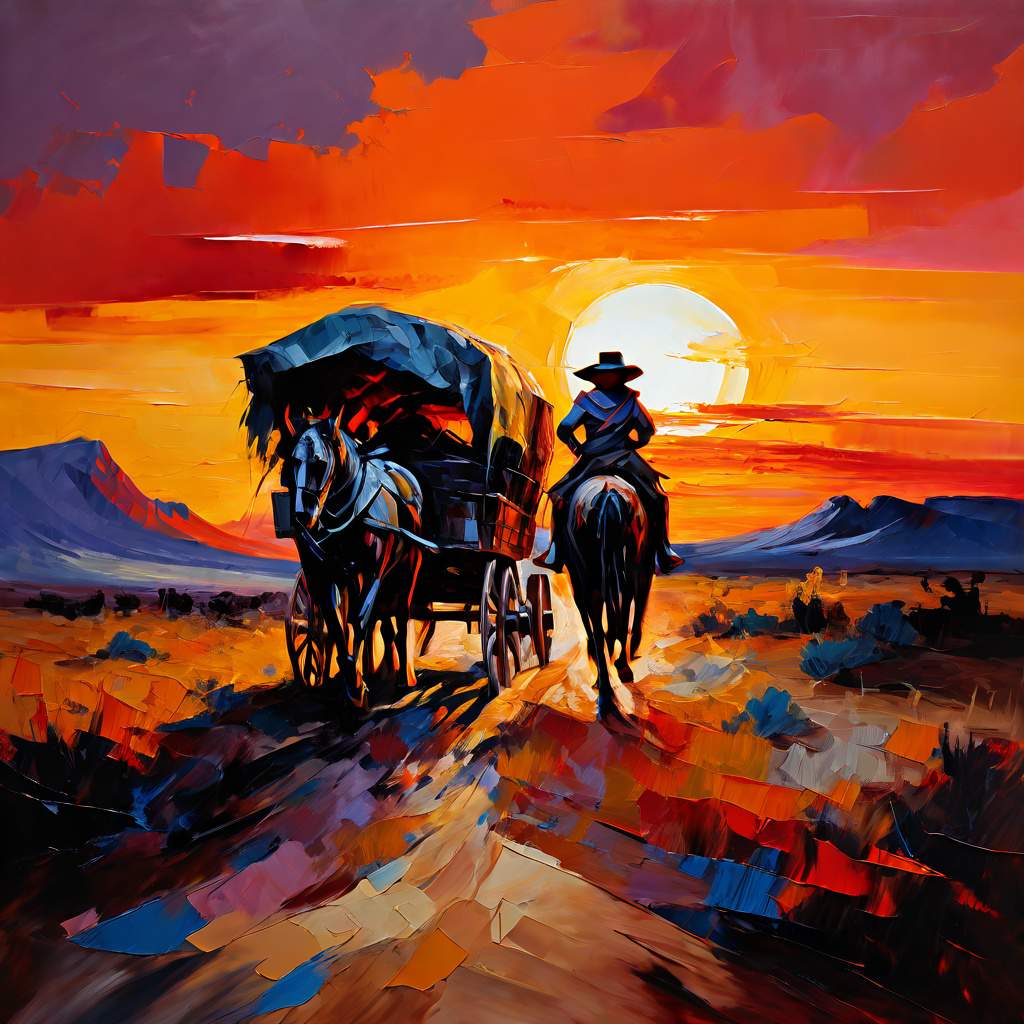
The Super Bowl spot opted for an unexpectedly intimate approach that has left many viewers puzzled about the film’s scope and tone. Rather than showcasing the opulent planetary landscapes, wild alien creatures, or kinetic space battles that historically define Star Wars trailers, the advertisement focuses on a quiet moment between the two protagonists riding together in a wagon. This slice-of-life imagery, while charming in context, presents a stark departure from the franchise’s typical marketing emphasis on galactic-scale conflict and visual spectacle.
Industry observers have noted that the trailer appears to parody classic Budweiser advertising aesthetics, complete with the understated camaraderie and pastoral setting more commonly associated with beverage commercials than space opera. The scene depicts what appears to be a symbolic passing of the torch, as Din Djarin hands the wagon reins to Grogu, suggesting mentorship themes and character evolution. However, without additional context regarding the film’s plot, antagonists, or central conflict, the promotional material risks appearing as merely an extended vignette from the television series rather than a cinematic event worthy of theatrical presentation.
The timing of the release during the Super Bowl guarantees maximum visibility among general audiences, yet the content itself seems designed primarily for existing fan recognition rather than recruiting new viewers. This disconnect between the massive platform and the understated content has fueled criticism that the marketing team missed an opportunity to demonstrate why this particular story demands the big screen treatment.
Critical Reception and Historical Context
Reactions to the trailer have highlighted the elevated expectations surrounding Star Wars marketing materials, which historically have set industry standards for teaser content. Critics have drawn unfavorable comparisons to the prequel trilogy’s promotional campaign, which successfully communicated epic scope through opulent planetary vistas, diverse alien species, and lightsaber combat. Those trailers immediately established their cinematic identity through recognizable visual vocabulary that signaled entry into the expanded universe.
By contrast, the wagon sequence showcased in the Super Bowl spot derives its emotional resonance primarily from pre-existing audience investment in the central relationship, built over three seasons of television storytelling. While this narrative shorthand works for established fans, it potentially undersells the theatrical experience for general audiences expecting the grandeur associated with the franchise’s cinematic entries. The promotional strategy assumes significant audience familiarity with characters who have thus far existed primarily in streaming format, representing a calculated gamble on built-in viewership versus mainstream accessibility.
The criticism suggests that while the television series has earned goodwill through character-driven storytelling, theatrical marketing traditionally serves a different function, requiring demonstration of spectacle and scale. Whether this understated approach represents confidence in the brand’s current cultural position or a miscalculation regarding theatrical audience expectations remains a subject of active debate among industry analysts.
Production Details and Cast Information
Behind the camera, Jon Favreau assumes directorial duties, bringing his established stewardship of the Disney+ series to theatrical filmmaking. Favreau, who has largely guided “The Mandalorian” since its inception, now translates his vision to the larger canvas of cinema exhibition. His involvement suggests continuity with the television series’ tone and visual style, potentially explaining the trailer’s comfortable adherence to small-screen aesthetics.
Pedro Pascal returns to his signature role as Din Djarin, the lone gunslinger known simply as Mando, continuing the character’s journey from bounty hunter to surrogate father figure. The actor’s performance has anchored the streaming series through its narrative complexities, and his presence provides the theatrical project with established star power.
The cast expands to include acclaimed science fiction veteran Sigourney Weaver, best known for her iconic work in the “Alien” franchise. Weaver’s participation brings significant genre credibility and suggests the film may explore new corners of the galaxy through her undisclosed character. The production maintains connections to the established creative team while introducing fresh elements designed to justify the theatrical transition.
Key Production Information:
- Theatrical Release Date: May 22, 2026
- Director: Jon Favreau
- Returning Cast: Pedro Pascal as Din Djarin/Mando
- New Cast Addition: Sigourney Weaver
- Franchise Context: First Star Wars theatrical release since “The Rise of Skywalker” (2019)
What’s After the Movie
As anticipation builds for “The Mandalorian and Grogu,” fans seeking comprehensive coverage of the Star Wars universe and broader entertainment news can explore additional resources at What’s After the Movie. The platform offers detailed movie information, box office analysis, and spoiler-free summaries for viewers planning their theatrical calendar through 2026 and beyond. Whether tracking release dates or exploring franchise history, the site serves as a centralized hub for film enthusiasts navigating the expanding landscape of cinema and streaming content.
Continue reading

What's After the Movie?
Not sure whether to stay after the credits? Find out!
Check out our other apps:

SAT Sphere
Build confidence for the Digital SAT.

Mori Atlas
Discover wild places worth protecting.

Luntero
Search smarter for a home in Amsterdam.

Plot Explained
Unravel movie endings and hidden clues.

Pokechamp
Dive into Pokémon data and battle logic.

Driving Theory
Get ready for your European theory test.

Movie Dust
Plan your next cinema trip with ease.

Musemap
Find art and culture as you travel.

Selkobase
Compare credentials before committing.

Local Manual
Turn an unfamiliar country into practical next steps.

Lernavi
Compare school systems before your next move.

GymRoam
Find a workout stop wherever your plans take you.
Explore Our Movie Platform
New Movie Releases (2026)
Famous Movie Actors
Top Film Production Studios
Movie Plot Summaries & Endings
Major Movie Awards & Winners
Best Concert Films & Music Documentaries
Movie Collections and Curated Lists
© 2026 What's After the Movie. All rights reserved.
Privacy Policy