
What's After the Movie
Stina Ståhle
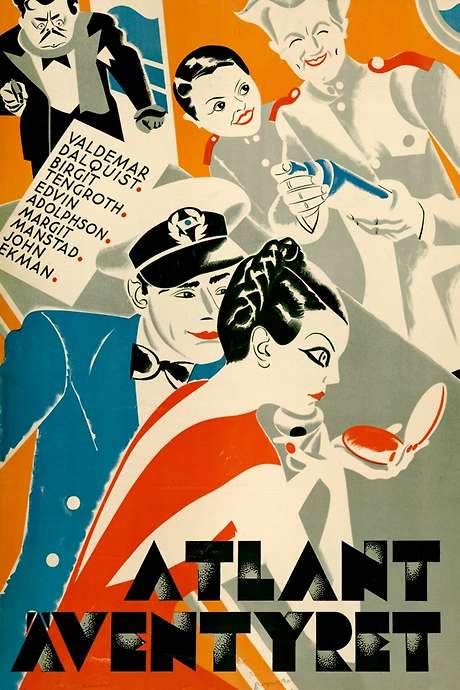
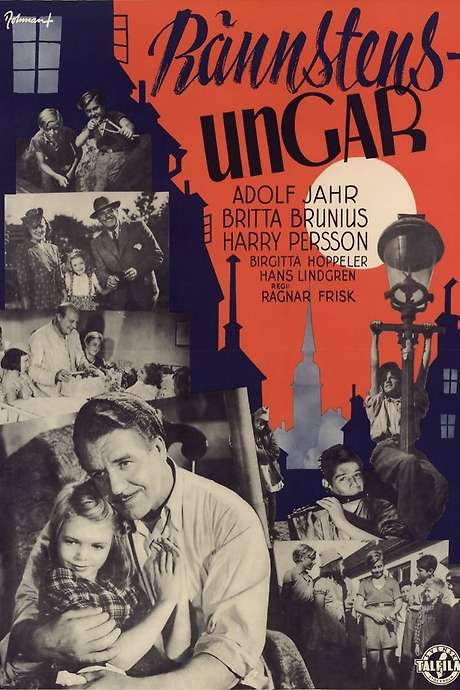
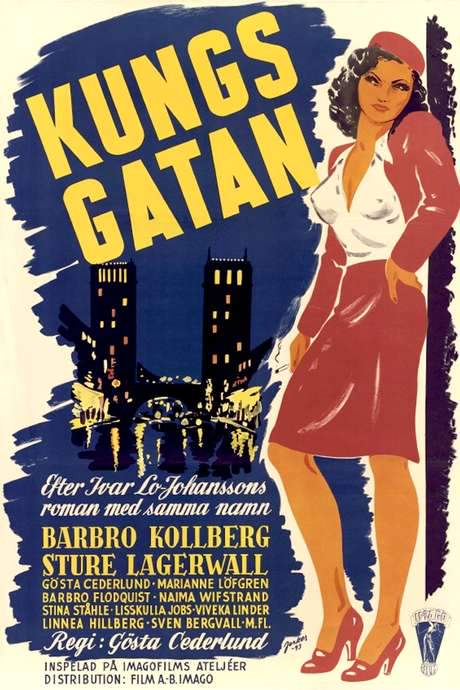
Stina Ståhle was a distinguished Swedish actress whose career spanned over three decades during the golden age of Swedish cinema, establishing her as one of the most dedicated performers of her generation. Born on September 7, 1907, in Stockholm, Sweden, she established herself as a prominent figure in the Scandinavian film industry through her versatile performances in more than thirty films that showcased her remarkable range and commitment to her craft. Her acting career commenced in 1929 with her appearance in Say It with Music, marking the beginning of a prolific journey that would see her become one of the recognizable faces in Swedish cinema until her retirement in 1962. Ståhle demonstrated remarkable longevity in an industry that underwent significant transitions from silent films to talkies and eventually to the modern era of cinema, adapting her craft to meet the evolving demands of filmmaking throughout the mid-twentieth century while maintaining a consistent presence on screen. Her extensive filmography reflects the diverse nature of Swedish cinema during this transformative period, encompassing everything from musical comedies to serious dramas. She passed away on January 10, 1971, in Norrköping, Sweden, at the age of 63, leaving behind a substantial body of work that contributed significantly to the cultural heritage of Swedish performing arts and the development of Nordic cinema. Throughout her extensive filmography, Stina Ståhle showcased her talent across various genres, appearing in notable productions such as The Atlantic Adventure (1934), Adolf Strongarm (1937), and Mot nya tider (1939), which demonstrated her ability to navigate different narrative styles and character types with grace and authenticity. Her work in the 1940s included significant roles in films like Sun Over Klara (1942), Imprisoned Women (1943), A Girl for Me (1943), and Kungsgatan (1943), establishing her as a reliable supporting actress who could bring depth and nuance to complex characters. Guttersnipes (1944) and Eaglets (1944) further cemented her reputation as a versatile performer capable of adapting to various cinematic contexts. Ståhle continued to work steadily through the 1950s with appearances in Blue Sky (1955), When the Mills are Running (1956), The Girl in Tails (1956), and Synnöve Solbakken (1957), proving her sustained relevance in the industry during a period of significant change. Her final credited role came in 1958 with A Goat in the Garden, though records indicate she remained active until 1962, demonstrating her enduring dedication to her profession. Her contributions to Swedish cinema reflect the dedication and professionalism that characterized the generation of actors who helped establish Sweden's reputation for quality filmmaking during the early and mid-twentieth century.
Biography, Career & Filmography
Learn more about Stina Ståhle, including a detailed biography, career timeline, personal life insights, and complete filmography. Discover how Stina Ståhle rose to fame, their major roles, industry impact, and personal milestones in the world of film.
Given Name: Stina Ståhle
Born: Stockholm, Sweden
Citizenship: Swedish
Birthday: September 7, 1907
Occupations: Actress
Years Active: 1929-1962
External Links and Streaming Options
Explore more about on trusted external platforms like Wikipedia. Find additional details, reviews, and related content to deepen your understanding.

Movies Featuring Stina Ståhle



Career Timeline
Track the complete movie timeline of Stina Ståhle, including all film releases, career breakthroughs, and notable roles. Follow their journey from early performances to recent blockbusters and upcoming projects.

Coming soon on iOS and Android
The Plot Explained Mobile App
From blockbusters to hidden gems — dive into movie stories anytime, anywhere. Save your favorites, discover plots faster, and never miss a twist again.
Sign up to be the first to know when we launch. Your email stays private — always.
Explore the mobile app
What's After the Movie?
Not sure whether to stay after the credits? Find out!
Check out our other apps:

SAT Sphere
Build confidence for the Digital SAT.

Mori Atlas
Discover wild places worth protecting.

Luntero
Search smarter for a home in Amsterdam.

Plot Explained
Unravel movie endings and hidden clues.

Pokechamp
Dive into Pokémon data and battle logic.

Driving Theory
Get ready for your European theory test.

Movie Dust
Plan your next cinema trip with ease.

Musemap
Find art and culture as you travel.

Selkobase
Compare credentials before committing.

Local Manual
Turn an unfamiliar country into practical next steps.

Lernavi
Compare school systems before your next move.

GymRoam
Find a workout stop wherever your plans take you.
Explore Our Movie Platform
New Movie Releases (2026)
Famous Movie Actors
Top Film Production Studios
Movie Plot Summaries & Endings
Major Movie Awards & Winners
Best Concert Films & Music Documentaries
Movie Collections and Curated Lists
© 2026 What's After the Movie. All rights reserved.
Privacy Policy