
What's After the Movie
Ranko Hanai
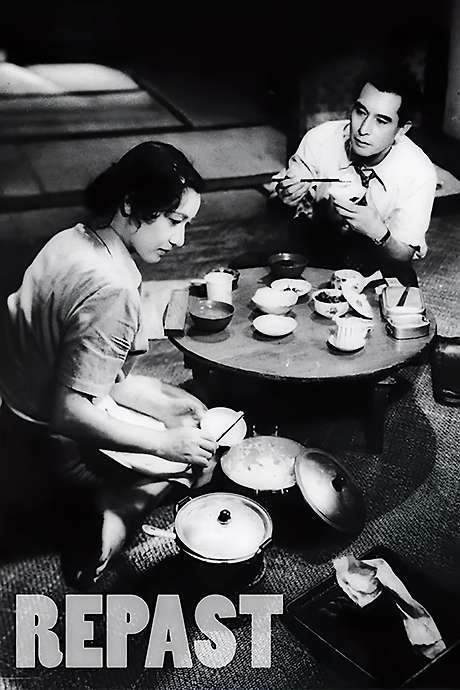
Ranko Hanai (花井蘭子), born Yoshiko Shimizu on July 15, 1918, in Osaka, Japan, was a prolific and versatile Japanese actress whose career spanned over three decades during the golden age of Japanese cinema. Beginning her journey in the entertainment world as a child performer, she honed her craft with prestigious theatre troupes led by Takeo Kawai and Rokurō Kitamura, developing the dramatic skills that would define her extensive filmography. She made her screen debut in 1929 under the name Reiko Shimizu, marking the beginning of a remarkable journey that would see her appear in approximately 200 films before her untimely death in 1961. In 1931, she joined the Nikkatsu film studio, where she established herself as a rising talent, before transitioning to J.O. Sutajio (which later became Toho) in 1937, solidifying her position as one of the industry's most reliable performers. Her career took a significant turn in 1946 during the notorious Toho labor disputes, where she controversially sided with the anti-union faction known as the Jū hito no hata no kai (Society of the Flag of Ten), alongside other major stars including Setsuko Hara, Hideko Takamine, and Isuzu Yamada, subsequently leaving Toho to join the newly formed Shintoho studio. Throughout the 1950s, she maintained a busy career working not only with Shintoho but also returning occasionally to Toho and other production companies, demonstrating her professional resilience and adaptability. Hanai's artistic legacy is defined by her collaborations with some of the most celebrated directors in Japanese film history, including Mikio Naruse, Heinosuke Gosho, Kinuyo Tanaka, and Kaneto Shindō. Her filmography includes significant works such as Sanshiro Sugata (1943), Akira Kurosawa's directorial debut, and several masterpieces by Naruse including Ginza Cosmetics (1951), Repast (1951), and A Wife's Heart (1956). She also delivered memorable performances in Love Letter (1953) directed by Kinuyo Tanaka, Life of a Woman (1953) by Shindō, and Where Chimneys Are Seen (1953) by Gosho, showcasing her ability to navigate diverse genres from martial arts films to domestic dramas. Her early career included notable pre-war works like The Million Ryo Pot (1935) directed by Sadao Yamanaka and Fallen Blossoms (1938). Despite her extensive contributions to cinema and her status as a leading actress of her generation, Hanai's life was cut short when she died on May 21, 1961, at the age of 42, leaving behind a substantial body of work that continues to be studied and appreciated by film historians and enthusiasts of Japanese cinema today.
Biography, Career & Filmography
Learn more about Ranko Hanai, including a detailed biography, career timeline, personal life insights, and complete filmography. Discover how Ranko Hanai rose to fame, their major roles, industry impact, and personal milestones in the world of film.
Given Name: Yoshiko Shimizu
Born: Osaka, Japan
Citizenship: Japanese
Birthday: July 15, 1918
Occupations: Actress
Years Active: 1929-1961
External Links and Streaming Options
Explore more about on trusted external platforms like Wikipedia. Find additional details, reviews, and related content to deepen your understanding.





Career Timeline
Track the complete movie timeline of Ranko Hanai, including all film releases, career breakthroughs, and notable roles. Follow their journey from early performances to recent blockbusters and upcoming projects.

Coming soon on iOS and Android
The Plot Explained Mobile App
From blockbusters to hidden gems — dive into movie stories anytime, anywhere. Save your favorites, discover plots faster, and never miss a twist again.
Sign up to be the first to know when we launch. Your email stays private — always.
Explore the mobile app
What's After the Movie?
Not sure whether to stay after the credits? Find out!
Check out our other apps:

SAT Sphere
Build confidence for the Digital SAT.

Mori Atlas
Discover wild places worth protecting.

Luntero
Search smarter for a home in Amsterdam.

Plot Explained
Unravel movie endings and hidden clues.

Pokechamp
Dive into Pokémon data and battle logic.

Driving Theory
Get ready for your European theory test.

Movie Dust
Plan your next cinema trip with ease.

Musemap
Find art and culture as you travel.

Selkobase
Compare credentials before committing.

Local Manual
Turn an unfamiliar country into practical next steps.

Lernavi
Compare school systems before your next move.

GymRoam
Find a workout stop wherever your plans take you.
Explore Our Movie Platform
New Movie Releases (2026)
Famous Movie Actors
Top Film Production Studios
Movie Plot Summaries & Endings
Major Movie Awards & Winners
Best Concert Films & Music Documentaries
Movie Collections and Curated Lists
© 2026 What's After the Movie. All rights reserved.
Privacy Policy