
What's After the Movie
Frances Drake
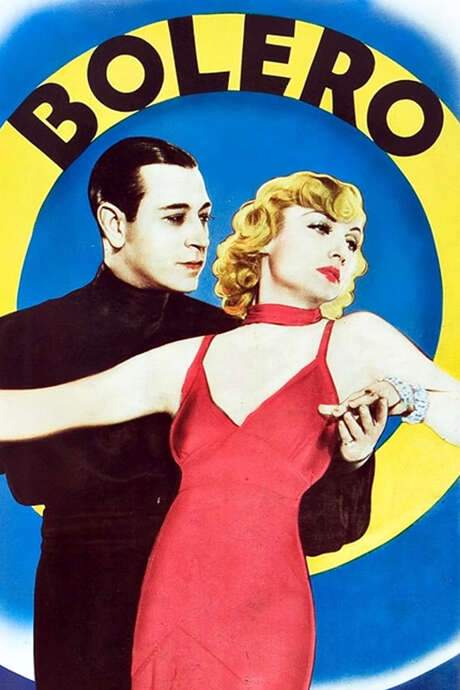
Frances Drake (born Frances Morgan Dean) was an American actress whose career in Hollywood during the 1930s and early 1940s left a lasting mark on the golden age of cinema. Born on October 22, 1912, in New York City to a wealthy family, she was educated at Havergal College in Canada and later in England under the care of her aunt Violet Dean. The stock market crash of 1929 forced her to seek financial independence for the first time, leading her to become a dancer and stage actress. She transitioned into film after being discovered, with her first screen appearances coming in British productions like The Jewel (1933) and Meet My Sister (1933). After returning to the United States in 1934, she secured a contract with Paramount, which changed her name from Frances Morgan Dean to Frances Drake to avoid confusion with the popular star Frances Dee. During her time at Paramount, she was coached by opera singer and actress Marguerite Namara, and she often found herself cast in damsel in distress roles in proto-horror and proto-sci-fi productions, working alongside legendary actors such as Bela Lugosi, Boris Karloff, and Peter Lorre. A film reference book summarized her career by noting that "she played leads in many Hollywood productions of the '30s, often as the terrified heroine of horror and mystery tales." Among her most notable performances were her role as Eponine in Les Misérables (1935), Yvonne Orlac in Mad Love (1935), and Diana Rukh in The Invisible Ray (1936). She also appeared in comedies and dramas such as Bolero (1934), Forsaking All Others (1934), and I'd Give My Life (1936), showcasing her versatility as an actress throughout the decade. On February 12, 1939, Drake married Lt. the Hon. Cecil John Arthur Howard, the second son of Henry Howard, 19th Earl of Suffolk, which led to her retirement from the screen when her husband disapproved of her acting career and she became an aristocrat's wife following his inheritance. After Howard's death in 1985, she married film producer David Brown in 1992; Brown himself passed away in 2009. Drake's contributions to cinema have been honored with a star on the Hollywood Walk of Fame, located at 6821 Hollywood Boulevard, as well as having a school named after her in Leominster, Massachusetts. She passed away on January 18, 2000, in Irvine, California, at the age of 87, and was laid to rest in Section 8 Garden of Legends at the Hollywood Forever Cemetery. Her final film role was as Sylvia Norwood in The Affairs of Martha (1942), marking the end of a brief but memorable career spanning from 1933 to 1942. Despite her relatively short time in the film industry, Frances Drake remains a notable figure of 1930s Hollywood, remembered for her striking performances in some of the era's most iconic genre films.
Biography, Career & Filmography
Learn more about Frances Drake, including a detailed biography, career timeline, personal life insights, and complete filmography. Discover how Frances Drake rose to fame, their major roles, industry impact, and personal milestones in the world of film.
Given Name: Frances Morgan Dean
Born: New York City, U.S.
Citizenship: American
Birthday: October 22, 1912
Occupations: Actress
Years Active: 1933-1942
Spouses: Cecil John Arthur Howard, David Brown
External Links and Streaming Options
Explore more about on trusted external platforms like Wikipedia. Find additional details, reviews, and related content to deepen your understanding.



Career Timeline
Track the complete movie timeline of Frances Drake, including all film releases, career breakthroughs, and notable roles. Follow their journey from early performances to recent blockbusters and upcoming projects.

Coming soon on iOS and Android
The Plot Explained Mobile App
From blockbusters to hidden gems — dive into movie stories anytime, anywhere. Save your favorites, discover plots faster, and never miss a twist again.
Sign up to be the first to know when we launch. Your email stays private — always.
Explore the mobile app
What's After the Movie?
Not sure whether to stay after the credits? Find out!
Check out our other apps:

SAT Sphere
Build confidence for the Digital SAT.

Mori Atlas
Discover wild places worth protecting.

Luntero
Search smarter for a home in Amsterdam.

Plot Explained
Unravel movie endings and hidden clues.

Pokechamp
Dive into Pokémon data and battle logic.

Driving Theory
Get ready for your European theory test.

Movie Dust
Plan your next cinema trip with ease.

Musemap
Find art and culture as you travel.

Selkobase
Compare credentials before committing.

Local Manual
Turn an unfamiliar country into practical next steps.

Lernavi
Compare school systems before your next move.

GymRoam
Find a workout stop wherever your plans take you.
Explore Our Movie Platform
New Movie Releases (2026)
Famous Movie Actors
Top Film Production Studios
Movie Plot Summaries & Endings
Major Movie Awards & Winners
Best Concert Films & Music Documentaries
Movie Collections and Curated Lists
© 2026 What's After the Movie. All rights reserved.
Privacy Policy